
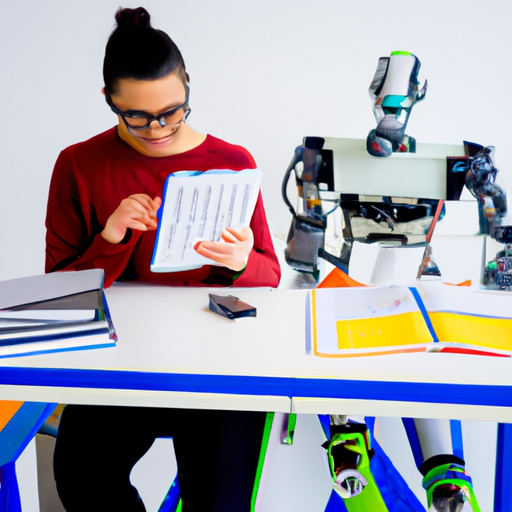
As we approach a new era defined by rapid technological advancements, smart robotics has emerged as a driving force across various industries. With the integration of artificial intelligence (AI) and automation, smart robots are poised to enhance efficiency, reduce costs, and open the doors to innovative solutions and workflows.
What is Smart Robotics?
Smart robotics involves robots that can not only perform pre-defined tasks but also learn and adapt to their surroundings. By leveraging advanced sensors, machine learning algorithms, and AI, these systems can analyze data in real-time, make decisions, and improve their performance over time.
The Impact of Automation on Various Industries
The advent of smart robotics is reshaping numerous sectors, including manufacturing, healthcare, logistics, and retail. Below are just a few examples:
- Manufacturing: Automated assembly lines and robotic arms increase production speeds while minimizing human error.
- Healthcare: Robots assist in surgeries, provide care for patients, and manage medical inventory, enhancing overall patient outcomes.
- Logistics: Autonomous delivery systems and warehouse robots streamline operations, reduce costs, and meet the escalating demand for quick delivery.
- Retail: AI-driven robots enhance customer service, manage stock, and provide personalized shopping experiences.
Benefits of Smart Robotics
Implementing smart robotics brings myriad benefits, including:
- Increased Efficiency: Robots can operate continuously and handle repetitive tasks faster than humans.
- Cost Savings: Reducing labor costs and minimizing errors lead to substantial savings for businesses.
- Enhanced Safety: Robots can undertake hazardous tasks, reducing the risk for human workers.
- Improved Quality: Automation results in consistent output quality, minimizing defects.
Challenges Facing Smart Robotics
Despite the excitement surrounding smart robotics, several challenges must be addressed:
- Job Displacement: Automation may threaten job security for certain roles, necessitating workforce reskilling.
- Ethical Considerations: The deployment of robots raises questions about privacy, decision-making, and accountability.
- Integration Complexity: Successfully implementing robotic systems requires careful planning and a thorough understanding of existing workflows.
The Future of Smart Robotics
Looking ahead, the potential of smart robotics is limitless. As technology continues to evolve, we can expect:
- Wider adoption of robotics across various sectors.
- Improved collaboration between humans and robots in the workplace.
- Enhanced capabilities driven by innovations in AI, enabling robots to take on more complex tasks.
Conclusion
Smart robotics represents a significant leap forward in our quest for efficiency and innovation. By embracing this technology, businesses can not only enhance their operations but also stay ahead in a rapidly changing landscape. As we continue to navigate the challenges and opportunities that smart robotics presents, it is clear that the future of work will be profoundly transformed.
Are you ready to embrace the revolution of smart robotics in your industry? Let’s harness the power of technology to shape a smarter future!