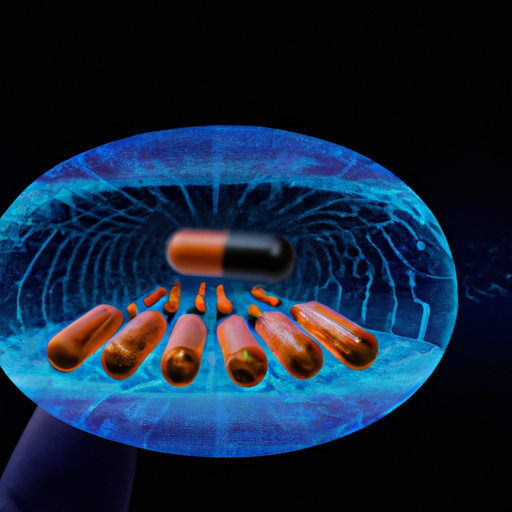
The pharmaceutical industry has long been characterized by lengthy and costly drug discovery processes. However, with the advent of artificial intelligence (AI) and machine learning, there is a significant shift in how new medications are developed. AI technology is rapidly transforming drug discovery, making it more efficient, precise, and less expensive.
The Impact of AI in Drug Discovery
Traditional drug discovery involves a series of labor-intensive processes that can take over a decade and billions of dollars to bring a new drug to market. AI can significantly shorten this timeline by enabling researchers to analyze vast amounts of data quickly and identify potential drug candidates more efficiently.
Data Mining for Drug Candidates
AI algorithms excel in data mining, allowing researchers to sift through thousands of compounds and biological data sets. By utilizing machine learning techniques, researchers can predict how different compounds will interact with biological targets, thereby identifying promising candidates much faster than conventional methods.
Predictive Modeling
AI-driven predictive modeling can reveal the likely success of a drug based on historical data and clinical outcomes. This helps in making informed decisions about which compounds to advance into clinical trials, reducing the risk of failure and optimizing resource allocation.
Enhancing Drug Testing and Clinical Trials
Moreover, AI can streamline the clinical trial process by identifying suitable patient demographics and predicting how patients will respond to treatments based on genomic and clinical data. This can lead to more targeted therapies and improved patient outcomes.
The Future of Drug Discovery with AI
The potential of AI in drug discovery is enormous. As computational technologies continue to advance, we can expect even greater innovations in how medications are developed and brought to market. The integration of AI in biotech not only offers the chance to speed up drug discovery but also opens up new avenues for personalized medicine, making treatments more effective.
This technological revolution is set to change the landscape of the pharmaceutical industry, making new treatments accessible to patients faster and at a lower cost. As we look forward, the synergy between AI and biotechnology holds great promise for the future of medicine.