
Introduction
In recent years, wearable health monitors have transformed the way we approach personal health management. With rapid advancements in technology, these devices have become more accessible, affordable, and reliable, making it easier than ever to track our health metrics in real-time.
What Are Wearable Health Monitors?
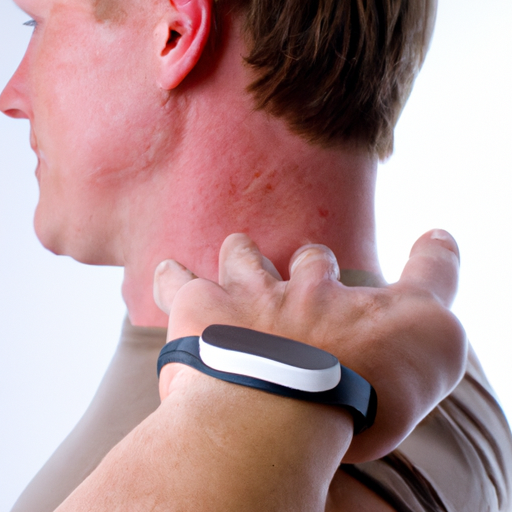
Wearable health monitors are electronic devices that can be worn on the body, designed to collect data related to health and fitness. These devices range from fitness trackers and smartwatches to specialized health monitors that measure heart rate, blood pressure, sleep patterns, and more.
Key Features of Wearable Health Monitors
- Real-time Data Collection: With continuous measurement capabilities, users can receive instant feedback on various health metrics.
- Activity Tracking: Many devices can log physical activities such as walking, running, and cycling, offering insights into your daily habits.
- Sleep Monitoring: Wearable monitors often include sleep tracking features that analyze your sleep patterns, helping you improve your sleep quality.
- Heart Rate Monitoring: Most fitness trackers and smartwatches provide heart rate data, which can be critical for cardiovascular health management.
- Integration with Health Apps: Many wearable devices sync with health apps, allowing users to analyze and share their health data easily.
Benefits of Using Wearable Health Monitors
Adopting wearable health monitors comes with numerous health benefits:
- Enhanced Health Awareness: Users gain insight into their physical condition, encouraging them to make informed health decisions.
- Personalized Health Goals: Monitoring your progress allows for the setting of personalized health and fitness goals tailored to your lifestyle.
- Motivation and Accountability: Many users find that wearables motivate them to stay active and engaged in their health journey.
- Early Detection: Continuous monitoring can help in the early detection of potential health issues, enabling proactive medical intervention.
The Future of Wearable Health Technology
As technology continues to evolve, we can expect more innovative features in wearable health monitors. Future trends might include:
- Advanced Health Sensors: New sensor technologies may allow for the real-time monitoring of additional health metrics such as glucose levels and hydration status.
- Artificial Intelligence Integration: AI can enhance data interpretation, offering customized health recommendations.
- Greater Connectivity: Improved device interoperability will enable seamless interactions between different health-monitoring gadgets.
Conclusion
Wearable health monitors are undeniably reshaping personal health management. With their ability to provide real-time feedback, promote accountability, and enhance awareness, these devices are becoming indispensable tools for individuals looking to improve their health proactively. As technology progresses, the future of health technology appears bright, promising even smarter and more effective wearable devices.
Are you ready to take charge of your health with wearable technology? Explore the wide range of wearable health monitors available today and embark on your health journey!