
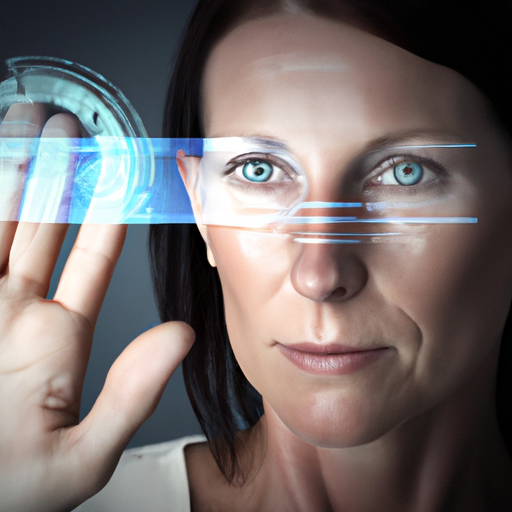
In today’s digital age, securing personal and sensitive data has become a paramount concern for individuals and organizations worldwide. One of the most promising advancements in ensuring this security is biometric authentication. This technology utilizes unique physical characteristics, such as fingerprints and facial recognition, to provide a robust layer of protection against unauthorized access.
What is Biometric Authentication?
Biometric authentication refers to the process of using biological data to verify an individual’s identity. Common examples include:
- Fingerprint Recognition: Scanning and analyzing unique patterns on a person’s fingertip.
- Facial Recognition: Using algorithms to map facial features and authenticate identity.
- Iris Scanning: Analyzing the unique patterns in the colored part of the eye.
The Advantages of Biometric Authentication
1. Enhanced Security: Unlike passwords, biometrics are harder to replicate or steal, providing a more secure authentication method.
2. User Convenience: Users can quickly log in without remembering complex passwords, improving user experience.
3. Scalability: Biometrics can be integrated into various devices and systems, making it suitable for multiple applications, from mobile phones to security systems.
Challenges and Concerns
While the benefits are significant, biometric authentication also poses challenges:
- Privacy Issues: The collection and storage of biometric data raise ethical concerns and the potential for misuse.
- Accuracy and Reliability: False positives or negatives can happen, resulting in lockouts or unauthorized access.
- Cost: Implementing biometric systems can be expensive, which might hinder adoption in some sectors.
The Future of Biometric Authentication
Despite the challenges, the future of biometric authentication looks promising. As technology advances, solutions are being developed to address privacy concerns and improve accuracy. The integration of biometrics with two-factor authentication methods can further enhance security, combining the best of both worlds.
In conclusion, biometric authentication is reshaping the way we secure our digital lives. Its implementation across various sectors is set to increase, making personal data safer and more accessible for users.
Stay tuned as we continue to cover the latest advancements in technology and security!