
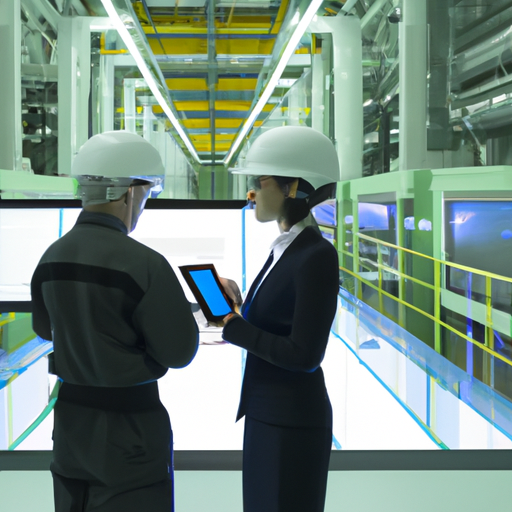
In recent years, the concept of smart factories has gained traction in the manufacturing industry as businesses strive to embrace Industry 4.0. These advanced manufacturing facilities utilize cutting-edge technologies such as the Internet of Things (IoT) and artificial intelligence (AI) to optimize operations and enhance overall productivity.
What are Smart Factories?
Smart factories are facilities that leverage digital technology to monitor and control physical processes. Through the use of sensors, machines, and analytics, these factories collect real-time data, allowing for informed decision-making and responsive manufacturing processes.
Benefits of Smart Factories
- Enhanced Efficiency: Automating processes reduces human error and speeds up production.
- Cost Reduction: Improved resource management leads to lower operational costs.
- Increased Flexibility: Smart factories can quickly adapt to changing market demands.
- Better Quality Control: Real-time monitoring ensures products meet quality standards.
The Role of IoT and AI
The integration of IoT devices enables machines to communicate with one another and share data seamlessly. This connectivity allows manufacturers to monitor equipment health and predict maintenance needs, thus preventing costly downtime.
AI plays a crucial role in analyzing the vast amounts of data generated by smart factories. By employing machine learning algorithms, businesses can identify patterns and optimize production schedules, enhancing overall operational efficiency.
Examples of Smart Factories
Numerous companies have successfully implemented smart factory initiatives:
- Bosch: Their plants utilize AI-driven analytics for predictive maintenance.
- Siemens: This company has transformed its factories in Germany into smart manufacturing hubs.
- General Electric: GE’s digital wind farm project employs IoT to improve wind turbine efficiency.
Conclusion
The transition to smart factories is not just a trend; it is an essential evolution in the manufacturing sector. As industries continue to adopt IoT and AI technologies, we can expect to see significant improvements in productivity, efficiency, and sustainability.
Embracing the future of manufacturing with smart factories is imperative for companies looking to remain competitive in the rapidly changing market landscape.