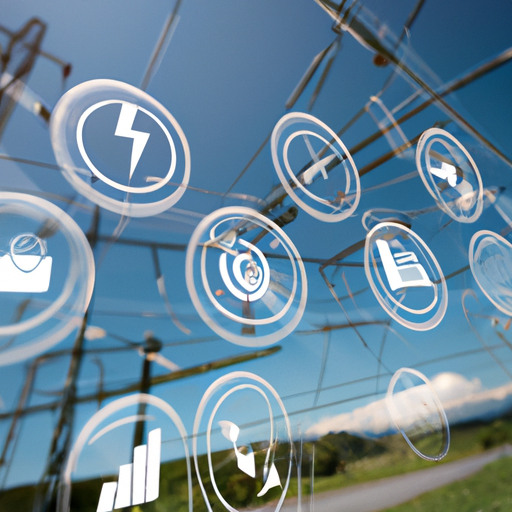
In today’s rapidly evolving energy landscape, smart grid technology is at the forefront of transforming how we manage energy consumption and distribution. Combining advanced communication technologies with modern energy distribution systems, smart grids are designed to improve energy efficiency, enhance reliability, and facilitate the integration of renewable energy sources.
What is Smart Grid Technology?
Smart grids use digital technology to monitor and manage the transport of electricity from all generation sources to meet the varying electricity demands of end users. The technology enables two-way communication between utilities and customers, allowing for real-time monitoring and optimization of energy use.
The Benefits of Smart Grids
- Improved Efficiency: Smart grids provide enhanced efficiency by optimizing energy distribution and reducing transmission losses.
- Integration of Renewable Energy: The technology facilitates the integration of renewable energy sources like solar and wind power, promoting a sustainable energy future.
- Energy Storage Solutions: Smart grids support advanced energy storage systems, allowing excess energy generated during peak production times to be stored and used later.
The Role of IoT in Smart Grids
The Internet of Things (IoT) plays a crucial role in smart grid technology by connecting devices and systems for better data collection and analysis. IoT-enabled devices can monitor energy consumption patterns, predict demand, and optimize operation in real time.
Conclusion
As the global demand for energy continues to rise, smart grid technology offers a viable solution for efficient, sustainable energy management. By embracing this innovative technology, we can create a more resilient energy infrastructure that not only meets today’s needs but also those of future generations.