Archives!


Revolutionizing Business Efficiency: The Rise of Robotic Process Automation

December 6, 2025 News

In today’s fast-paced digital landscape, businesses are actively seeking innovative solutions to enhance operational efficiency and reduce costs. One of the most groundbreaking advancements in this arena is Robotic Process Automation (RPA). This technology has proven instrumental in automating repetitive tasks, allowing organizations to focus on more strategic initiatives.

What is Robotic Process Automation?

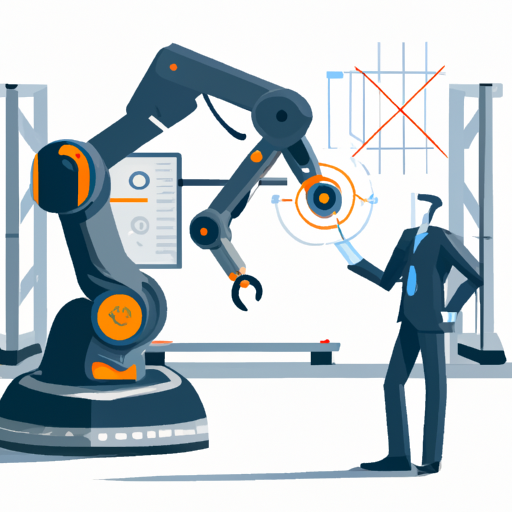
Robotic Process Automation involves the use of software robots or “bots” to replicate human actions within digital systems. These bots execute a variety of tasks, from data entry to transaction processing, enabling companies to streamline their workflows.

The Benefits of RPA

  • Increased Efficiency: RPA can perform tasks faster and more accurately than human workers, significantly reducing operational time.
  • Cost Savings: By automating repetitive tasks, businesses can decrease labor costs and minimize human error.
  • Improved Compliance: RPA ensures tasks are completed in accordance with set guidelines, enhancing compliance across various regulations.
  • Employee Satisfaction: By freeing employees from mundane tasks, RPA allows them to focus on more engaging and creative work.

RPA in Various Industries

Robotic Process Automation is not limited to a single industry. Sectors such as finance, healthcare, telecommunications, and retail are leveraging this technology to gain a competitive edge. For instance, the financial industry uses RPA to automate repetitive processes like account reconciliation and reporting, thus allowing professionals to allocate more time to strategic analysis.

Future of Robotic Process Automation

The future of RPA looks promising as technology continues to evolve. Businesses are increasingly integrating RPA with artificial intelligence (AI) to tackle more complex tasks. The synergy between RPA and AI will pave the way for digital transformation, enabling organizations to enhance decision-making processes and improve customer experiences.

Conclusion

As companies strive for operational excellence, Robotic Process Automation stands out as a vital component of their strategies. Embracing RPA not only drives efficiency but also positions businesses to thrive in an ever-changing digital environment. With its numerous benefits, it’s clear that RPA is not just a trend, but a crucial investment for the future.

For businesses looking to embark on their automation journey, understanding and adopting Robotic Process Automation technology will be the key to unlocking significant growth and efficiency.


Next-Gen Battery Technology: Revolutionizing Energy Storage

Latest

In recent years, the demand for more efficient and durable energy storage solutions has exponentially increased. This has led to significant advancements in next-gen battery technology, promising to transform the way we store and use energy, particularly in sectors like renewable energy and electric vehicles.

The Evolution of Battery Technology

For decades, the lithium-ion battery has been the backbone of portable electronics and electric vehicles. While these batteries have improved over time, they still face limitations in energy density, charging speed, and lifespan. However, researchers are now entering a new era of battery innovation.

What Are Solid-State Batteries?

At the forefront of next-gen battery technology are solid-state batteries. Unlike traditional lithium-ion batteries that use liquid electrolytes, solid-state batteries utilize solid electrolytes. This shift not only enhances safety by reducing the risk of leaks and fires but also significantly increases energy density. As a result, solid-state batteries can store more energy in a smaller space, making them ideal for electric vehicles and compact electronic devices.

Benefits of Next-Gen Battery Technology

  • Higher Energy Density: Solid-state batteries can potentially double the energy storage capacity compared to conventional batteries.
  • Faster Charging Times: These batteries can allow for quicker recharging, making electric vehicles more convenient for everyday use.
  • Longer Lifespan: Next-gen batteries are expected to last longer, reducing the frequency of replacements and thus lowering overall costs in the long term.
  • Enhanced Safety: The elimination of flammable liquid electrolytes makes solid-state batteries significantly safer.

Impact on Renewable Energy

As the world shifts towards renewable energy sources such as solar and wind, efficient energy storage becomes critical. Next-gen battery technologies can store excess energy produced during peak production times for use during periods of low production, thus ensuring a stable energy supply. This capability not only makes our power grid more reliable but also helps reduce our carbon footprint.

The Future of Electric Vehicles

Electric vehicles (EVs) represent one of the most promising applications for next-gen battery technology. With advancements in solid-state batteries, we can expect EVs to achieve longer ranges, shorter charging times, and greater overall performance. Manufacturers are investing heavily in this technology, with several companies already announcing plans to roll out solid-state batteries in their upcoming models.

Challenges Ahead

Despite the exciting potential of next-gen battery technology, several challenges need to be addressed. Manufacturing processes must be refined to produce these batteries at scale while minimizing costs. Additionally, further research is needed to understand the long-term performance and environmental impacts of these new technologies.

Conclusion

Next-gen battery technology is set to redefine our approach to energy storage and usage, paving the way for a more sustainable and efficient future. As we continue to innovate in this space, the implications for renewable energy, electric vehicles, and our overall energy economy are profound. Stay tuned as researchers and industries collaborate to bring these revolutionary technologies to market.

Call to Action: Interested in learning more about innovative technologies? Subscribe to our newsletter for the latest updates!

A Comprehensive Guide to Robotic Process Automation (RPA)

December 5, 2025 Latest

In today’s rapidly evolving business landscape, efficiency and accuracy are paramount. Companies are continuously seeking ways to optimize workflows and reduce operational costs. This is where Robotic Process Automation (RPA) comes into play. RPA is revolutionizing the way businesses operate by automating repetitive and rule-based tasks, allowing organizations to focus on more strategic activities.

What is Robotic Process Automation?

Robotic Process Automation is a technology that uses software robots, or “bots,” to automate routine tasks traditionally performed by humans. These bots can interact with applications in the same way a human does, navigating through user interfaces, entering data, and executing processes.

Key Benefits of RPA

  • Increased Efficiency: RPA can operate 24/7, leading to significant productivity gains.
  • Cost Reduction: Automating processes reduces the need for manual labor, resulting in substantial cost savings.
  • Improved Accuracy: Bots are programmed to perform tasks with precision, minimizing human error.
  • Scalability: RPA solutions can easily scale with your business needs, allowing for quick adaptation to increasing workloads.

Popular RPA Tools

Several tools are available to help organizations implement RPA successfully. Some of the most popular RPA tools include:

  • UiPath: Known for its user-friendly interface and comprehensive automation capabilities.
  • Automation Anywhere: Offers a robust platform with a focus on cognitive automation.
  • Blue Prism: Renowned for its scalability and security features, ideal for large enterprises.

Implementing RPA in Your Organization

Before you implement RPA, it’s important to identify processes that are ideal for automation. Look for tasks that are repetitive, rule-based, and involve structured data. After identifying suitable processes, you can start by:

  1. Conducting a thorough analysis of your workflows.
  2. Selecting the right RPA tool that aligns with your business needs.
  3. Engaging stakeholders throughout the implementation process.
  4. Monitoring and optimizing the performance of your RPA solutions.

Conclusion

The future of work lies in automation, and Robotic Process Automation is at the forefront of this transformation. By embracing RPA, businesses can achieve substantial operational efficiencies, reduce costs, and free up valuable human resources for more strategic initiatives. If you haven’t yet explored the potential of RPA, now is the time to start your journey toward a more automated, efficient, and productive workplace.

The Rise of Social Commerce: Transforming Online Shopping

Latest

In recent years, social commerce has emerged as a powerful force in the world of online shopping. With the rise of social media platforms, the way consumers shop has changed significantly. In this blog post, we will explore what social commerce is, its impact on e-commerce, and how businesses can leverage it to boost sales and engagement.

What is Social Commerce?

Social commerce is the integration of social media and e-commerce. It allows consumers to discover and purchase products directly through social media platforms without having to leave the site. This seamless shopping experience streamlines the customer journey and enhances user engagement, making it a game-changer for brands looking to tap into new markets.

The Impact of Social Media on Consumer Behavior

As social media continues to dominate our daily lives, it significantly influences consumer behavior. Studies show that a large percentage of consumers rely on social media for product recommendations, reviews, and inspiration. Platforms like Instagram, Facebook, and TikTok not only serve as a source of entertainment but also act as virtual shopping malls where brands can showcase their products. The visual nature of these platforms allows for captivating display of products, driving impulse purchases and brand awareness.

Key Benefits of Social Commerce

  • Enhanced Customer Engagement: Social commerce encourages interactions between brands and consumers, fostering a sense of community and loyalty.
  • Increased Sales: By reducing the steps needed to purchase products, social commerce can significantly improve conversion rates.
  • Targeted Advertising: Brands can leverage social media data to deliver personalized content and advertisements, reaching the right audience more effectively.

How to Leverage Social Commerce

Businesses looking to capitalize on the social commerce trend should consider the following strategies:

  • Utilize Shoppable Posts: Platforms like Instagram and Facebook enable businesses to create posts that users can click on to purchase products directly.
  • Engage with User-Generated Content: Encourage customers to share their experiences with your products. This provides authentic reviews and helps build trust.
  • Collaborate with Influencers: Partner with social media influencers to reach a broader audience and enhance brand credibility.
  • Invest in Social Listening: Monitor social media channels to understand consumer sentiment, feedback, and trends.

Conclusion

In conclusion, social commerce is reshaping the way we shop online. By integrating e-commerce with social media, brands can enhance customer engagement, increase sales, and create a more personalized shopping experience. As this trend continues to evolve, businesses must adapt their marketing strategies to remain competitive in the ever-changing digital landscape.

Embrace social commerce today and watch your online store thrive!

For more insights into e-commerce trends and digital marketing strategies, stay tuned to our blog!

The Future of Remote-Controlled Drones: Revolutionizing Industries

December 4, 2025 News

In recent years, remotely-operated drones have emerged as game-changers across various sectors, from agriculture to delivery services. As drone technology evolves, these UAVs (Unmanned Aerial Vehicles) are becoming more sophisticated, providing efficient solutions to age-old problems.

Transforming Agriculture

Farmers are increasingly adopting drone technology to enhance crop management. Agriculture drones equipped with sensors and cameras provide invaluable data on soil health and crop performance. This real-time information allows farmers to make informed decisions, ultimately leading to higher yields and reduced costs.

Streamlining Delivery Services

Delivery drones are on the brink of revolutionizing the logistics industry. With major companies investing in drone delivery programs, parcels can be delivered faster and more efficiently than traditional methods. This innovation not only enhances customer satisfaction but also reduces carbon footprints.

Enhancing Surveillance and Safety

Remotely-operated drones have also made significant strides in the field of surveillance and safety. From security applications in urban areas to monitoring wildfires in remote locations, drones are proving to be invaluable assets in ensuring safety and efficiency.

Challenges and Regulations

While the potential of remotely-operated drones is immense, challenges such as regulatory restrictions, privacy concerns, and technological limitations remain. Governments worldwide are working to establish frameworks that ensure safety while encouraging innovation.

The Road Ahead

The future of remotely-operated drones looks promising. As advancements in drone technology continue, we can expect to see even more applications across various sectors. For businesses and consumers alike, embracing this technology may unlock unprecedented opportunities.

Conclusion

As we step into a new era of UAV innovation, it’s essential for industries to stay abreast of these developments. The integration of remotely-operated drones into everyday operations is not just a trend; it’s a transformation that could redefine efficiency and productivity in countless fields.

Stay tuned as we navigate the exciting developments in drone technology!

The Rise of Smart Cities: Transforming Urban Living

News

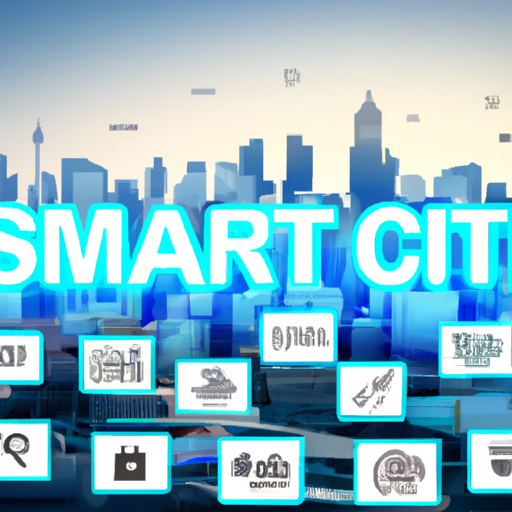
In recent years, the concept of smart cities has gained significant traction, representing a new era of urban innovation that utilizes technology to improve the quality of life for residents. By integrating the Internet of Things (IoT) and advanced infrastructure, these cities are setting a benchmark for sustainable living and city planning.

What Are Smart Cities?

Smart cities leverage digital technology to enhance performance across various sectors including transportation, healthcare, energy, and water management. This integration allows for better resource management, improved public services, and a more connected community experience.

Key Components of Smart Cities

  • Smart Infrastructure: Intelligent road systems, smart grids, and energy-efficient buildings are a crucial aspect of smart cities that help in reducing waste and improving efficiency.
  • IoT Connectivity: From smart traffic lights to personalized public transportation systems, IoT provides real-time data that helps city officials make informed decisions.
  • Sustainable Living: Initiatives such as waste management systems and green energy solutions are essential for reducing a city’s carbon footprint.

The Benefits of Smart Cities

Smart cities facilitate a range of benefits for their residents, including:

  • Enhanced public safety through connected surveillance systems.
  • Improved traffic flow and reduced congestion thanks to smart transportation solutions.
  • Lower energy costs and increased efficiency through smart meters and grids.

Challenges and Future of Smart Cities

While the potential is immense, the road to becoming a smart city is not without its challenges. From funding and data privacy concerns to the need for strong cyber-security measures, city planners must navigate these hurdles carefully. However, as technology advances, the future of smart cities looks promising, paving the way for smarter, more sustainable urban living.

Conclusion

As we move towards a more digitized world, the rise of smart cities is set to transform urban living significantly. By adopting innovative solutions and embracing technology, cities can not only enhance the quality of life for their residents but also work towards a sustainable and smart future.

Stay tuned for more updates on urban innovation and smart city initiatives that are shaping the future of our communities!

Revolutionizing Supply Chain Management with Blockchain Technology

December 3, 2025 News

The demand for transparency and efficiency in supply chains has never been higher. As industries adapt to the challenges of globalization and consumer preferences, innovative solutions are required. Enter blockchain technology—a game changer poised to reshape how supply chains function.

What is Blockchain?

Blockchain is a decentralized digital ledger technology that securely records transactions across a network of computers. This technology ensures that all transactions are transparent, tamper-proof, and easily accessible, facilitating trust among stakeholders.

The Benefits of Blockchain in Supply Chain

  • Enhanced Transparency: Every transaction can be traced back to its source, providing a clear record of the product journey from manufacturer to consumer.
  • Increased Efficiency: By eliminating intermediaries and streamlining processes, blockchain can significantly reduce delays and costs.
  • Improved Security: The distributed nature of blockchain means that data is less vulnerable to hacks and fraud, providing an added layer of protection for sensitive information.
  • Smart Contracts: Automated agreements that execute when conditions are met can simplify contracting processes, reducing human error and increasing transaction speed.

Real-World Applications

Many leading companies have begun to implement blockchain technology into their supply chains. For example, Walmart uses blockchain to trace food products from farms to store shelves, enhancing food safety and minimizing waste. Similarly, luxury brands are utilizing blockchain to combat counterfeiting by proving the authenticity of their goods.

Challenges Ahead

Despite its potential, integrating blockchain in supply chains faces hurdles, including scalability issues, the need for industry-wide standards, and resistance to change from traditional systems. However, as awareness grows and the tech matures, these barriers are likely to diminish.

Conclusion

Blockchain technology is not just a trend—it represents the future of supply chain management. As organizations recognize the value of transparency, efficiency, and security, we can expect a radical evolution in supply chains, benefitting consumers and producers alike.

Stay tuned to our blog for more insights on blockchain and its impact on various industries!

Revolutionizing Supply Chain Management with Blockchain Technology

News

In recent years, blockchain has emerged as a groundbreaking technology, reshaping various industries, with supply chain management being one of the most significantly impacted. This innovation promises to enhance transparency, improve efficiency, and reduce fraud within the complex web of modern supply chains.

What is Blockchain?

Blockchain is a decentralized ledger technology that allows for the secure and transparent recording of transactions across multiple computers. Its key features—immutability, transparency, and security—make it ideal for tracking the movement of goods throughout the supply chain.

Benefits of Blockchain in Supply Chain

  • Enhanced Transparency: With blockchain, every transaction in the supply chain is recorded on a public ledger. This increases trust among stakeholders as they can verify the authenticity of goods and their origins.
  • Improved Efficiency: Traditional supply chains are often plagued by inefficiencies and delays. Blockchain streamlines processes by providing real-time updates and automated processes through smart contracts, reducing the time and cost of transactions.
  • Reduced Fraud: By ensuring that all transactions are securely recorded and easily traceable, blockchain significantly minimizes the risk of fraud and counterfeit products entering the supply chain.

Case Studies

Numerous companies across the globe are already implementing blockchain solutions to bolster their supply chains. For instance, Walmart has integrated blockchain to enhance food traceability, allowing them to track the journey of food products from farm to table in a matter of seconds.

Additionally, Maersk is leveraging blockchain technology to simplify cross-border shipping, effectively reducing paperwork and improving visibility for all participants involved.

The Future of Supply Chain with Blockchain

As businesses increasingly recognize the transformative potential of blockchain technology, we can expect to see wider adoption across sectors. This shift not only promises to improve operational processes but also offers consumers greater reassurance regarding the products they purchase.

Conclusion

The integration of blockchain in supply chain management is more than a trend; it represents a fundamental shift in the way businesses operate. By embracing this technology, companies can not only enhance their efficiency and transparency but also build trust and reliability within their supply chains.

Stay tuned for further updates on how blockchain continues to revolutionize various industries!

Exploring the Future of Virtual Reality: Trends, Applications, and More

December 2, 2025 Latest

Virtual Reality (VR) is rapidly transforming the way we experience the digital world. From gaming to education, the applications of VR technology seem nearly limitless. In this blog post, we will explore the exciting trends currently shaping the future of virtual reality and the diverse applications that are emerging across industries.

What is Virtual Reality?

At its core, Virtual Reality is a simulated experience that can be similar to or completely different from the real world. Through the use of VR headsets and multi-sensory feedback, users are immersed in a fully interactive environment where they can engage with 3D worlds and scenarios.

Current Trends in VR Technology

  • Enhanced Visual Fidelity: As graphics technology advances, VR experiences are becoming more lifelike, immersing users deeper into virtual environments.
  • Standalone VR Headsets: Devices like the Oculus Quest have made VR more accessible, allowing users to experience virtual reality without the need for tethered computers.
  • Social VR Experiences: The rise of social applications in VR is creating new ways for people to connect, attend events, and collaborate remotely.

Applications of Virtual Reality

The applications of VR technology span various fields, showcasing its versatility and potential:

  • Gaming: VR gaming has revolutionized the entertainment industry, providing immersive and interactive gameplay experiences.
  • Education: Virtual classrooms and training simulations allow students to learn in an engaging, hands-on environment.
  • Healthcare: VR is being used for therapy, surgical training, and patient treatment, enhancing medical procedures and education.
  • Real Estate: Virtual property tours give potential buyers an immersive look at homes without physically visiting them.

The Future of VR Technology

As VR continues to evolve, its integration into mainstream society is likely to grow. With advancements in AI and machine learning, future VR experiences could offer even more personalized and interactive environments. Additionally, the metaverse concept promises to further bridge the gap between our digital and physical lives, allowing for limitless virtual interactions.

Conclusion

The future of Virtual Reality is bright and filled with endless possibilities. As technology advances, we can expect to see even more innovative applications that enhance not only entertainment but also education, work, and everyday life. Stay tuned to see how VR continues to shape our world!

Revolutionizing Customer Support with AI: The Future is Here

Latest

In today’s digital age, Artificial Intelligence (AI) is rapidly transforming various industries, and customer support is no exception. Businesses are increasingly turning to AI solutions to enhance their support systems, improving efficiency and customer satisfaction. In this blog post, we will delve into how AI is revolutionizing customer support and what it means for the future of customer service.

1. The Rise of AI in Customer Support

As competition intensifies, companies are seeking innovative ways to meet customer expectations. AI technologies, such as chatbots and automated response systems, are becoming essential tools in customer service strategies. They provide 24/7 support, handle basic inquiries, and free up human agents for more complex issues.

2. Enhancing Customer Experience with AI

AI applications in customer support drastically enhance customer experience. By providing instant responses and personalized interactions, AI can resolve issues quickly and efficiently. Features like predictive analytics allow businesses to anticipate customer needs and tailor their services accordingly, ensuring a positive interaction every time.

3. Cost Reduction and Operational Efficiency

Utilizing AI in customer support not only enhances customer satisfaction but also reduces operational costs. By automating repetitive tasks, businesses can save time and resources, allowing human agents to focus on intricate problem-solving tasks. This optimized workflow can lead to significant cost savings while maintaining high-quality service.

4. The Power of Chatbots

Chatbots are perhaps the most recognized form of AI in customer support. These virtual assistants can answer queries, provide information, and assist with transactions within seconds. With advancements in machine learning, chatbots are becoming more adept at understanding and processing customer inquiries, making them a valuable asset to any customer service team.

5. Future Trends in AI Customer Support

As technology continues to evolve, the capabilities of AI in customer support will only grow. Expect to see advances in AI that include:

  • More sophisticated natural language processing (NLP) for better understanding of customer queries.
  • Increased integration of AI with customer relationship management (CRM) systems.
  • Deeper data analysis for enhanced personalization and predictive abilities.

Conclusion

The integration of AI in customer support is not just a trend, but a necessity for businesses aiming to improve their service delivery and customer satisfaction. By leveraging AI technologies, companies can ensure they are equipped to meet the demands of modern consumers, paving the way for enhanced relationships and increased loyalty. Embrace the future of customer support with AI and watch your business thrive!

For more insights on customer support innovation, stay tuned to our blog!