
Archives!


The Rise of Smart Wearables: Revolutionizing Health and Wellness

October 5, 2025 News

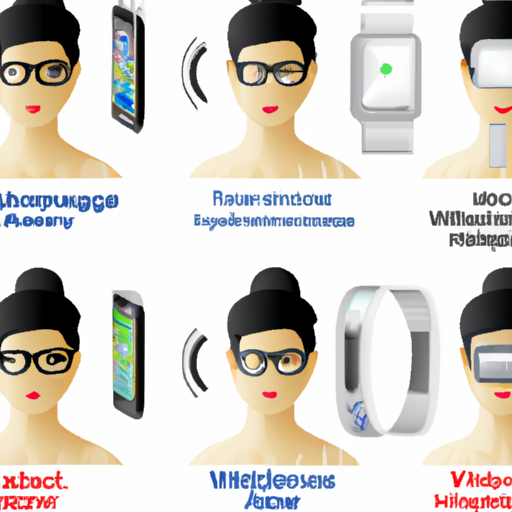
In recent years, smart wearables have taken the tech world by storm, becoming indispensable tools in our daily lives. From fitness trackers to smartwatches, these innovative devices are changing the way we manage health and wellness.

What are Smart Wearables?

Smart wearables refer to a category of electronic devices that can be worn on the body, equipped with sensors and software to track and monitor various health-related metrics. They connect through the Internet of Things (IoT), enabling users to gather and analyze data about their physical activity, sleep patterns, heart rate, and more.

The Health Benefits of Smart Wearables

  • Personal Health Monitoring: Smart wearables empower users to take control of their health by providing real-time data. This can lead to healthier lifestyle choices.
  • Fitness Tracking: The growing popularity of fitness apps has been significantly bolstered by wearables, which allow users to set goals, track progress, and stay motivated.
  • Chronic Condition Management: For those with chronic illnesses, wearables can help in monitoring vital signs, assisting patients by flagging potential health issues before they escalate.

Popular Devices in the Market

Some of the notable devices gaining traction include:

  • Apple Watch: Known for its sleek design and extensive health features, it has become a staple among health-conscious consumers.
  • Fitbit: One of the pioneers in the fitness tracker market, Fitbit continues to excel in providing comprehensive activity and sleep tracking.
  • Samsung Galaxy Watch: Combining style and functionality, this smartwatch offers in-depth health tracking features.

The Future of Smart Wearables

The future of smart wearables looks promising, with ongoing advancements in technology. Features like advanced health metrics, extended battery life, and improved data analytics are on the horizon. With the integration of AI and machine learning, these devices will not only track but also provide actionable insights for users.

Conclusion

As smart wearables continue to evolve, they are set to play a crucial role in the future of health technology. Whether you are a fitness enthusiast looking to optimize your workouts or someone managing a chronic condition, adopting smart wearables can lead to a significant improvement in health and well-being.

Stay informed about the latest in health technology and explore how these devices can transform your daily routines!


Enhancing Supply Chain Efficiency with Visibility Solutions

Latest

In today’s fast-paced market, supply chain visibility has become a critical component for businesses aiming to achieve operational excellence. With the increasing complexity of logistics and inventory management, having the right supply chain visibility solutions in place is essential for ensuring a smooth flow of goods and information. This blog will explore the various benefits and the importance of supply chain visibility in enhancing your business operations.

What is Supply Chain Visibility?

Supply chain visibility refers to the ability to track and monitor products throughout the entire supply chain process, from the point of origin to the end customer. This includes real-time tracking of shipments, inventory levels, and order statuses. With comprehensive visibility, businesses can make informed decisions, minimize risks, and respond quickly to changes in demand.

The Importance of Supply Chain Visibility Solutions

  • Improved Decision Making: With real-time data and insights, decision-makers can identify trends, pinpoint bottlenecks, and make proactive choices that enhance operations.
  • Increased Operational Efficiency: By having a clear view of the supply chain, companies can reduce lead times, optimize inventory levels, and streamline logistics operations.
  • Enhanced Customer Satisfaction: Greater visibility allows businesses to provide accurate delivery timelines and updates, improving overall customer satisfaction.
  • Risk Management: Visibility solutions enable businesses to detect potential disruptions early, allowing for swift corrective actions and contingency planning.

Key Components of Effective Supply Chain Visibility Solutions

When implementing supply chain visibility solutions, consider the following key components:

  • Real-Time Tracking: Utilize GPS and IoT technology to track shipments and inventory levels in real-time.
  • Integration: Ensure your visibility solution integrates seamlessly with existing systems such as ERP and warehouse management software.
  • Data Analytics: Leverage advanced analytics to gain insights from large volumes of data and improve forecasting accuracy.
  • User-Friendly Dashboards: Implement intuitive dashboards that provide easy access to real-time data and analytics for stakeholders at all levels.

Conclusion

Incorporating supply chain visibility solutions into your business can significantly enhance your overall performance and competitive edge. By harnessing real-time information and analytics, businesses can improve decision-making, optimize operations, and elevate customer satisfaction. As the supply chain landscape continues to evolve, investing in visibility solutions is no longer an option but a necessity for sustainable growth.

Start Transforming Your Supply Chain Today!

If you’re ready to take your supply chain operations to the next level with enhanced visibility, contact us to learn more about our tailored solutions that meet your specific needs.

For more insights on supply chain management, stay tuned to our blog!

Revolutionizing Healthcare: The Impact of Remote Patient Monitoring

October 4, 2025 News

In recent years, Remote Patient Monitoring (RPM) has emerged as a transformative technology in the healthcare sector. As healthcare providers increasingly embrace digital health solutions, RPM offers a way to improve patient care while reducing costs.

What is Remote Patient Monitoring?

Remote Patient Monitoring is a method of healthcare delivery that uses devices to collect and transmit patient data from the home to healthcare providers. These devices can track vital signs, such as heart rate, blood pressure, and glucose levels. The data collected can lead to more timely interventions and improved health outcomes for patients.

The Benefits of RPM

One of the most significant benefits of RPM is its ability to facilitate continuous monitoring and offer telehealth solutions. Patients can remain at home while professionals monitor their health, allowing for enhanced convenience and comfort.

  • Improved Patient Engagement: RPM encourages patients to take an active role in their health management.
  • Cost-Effective: By reducing hospital readmissions, RPM contributes to lower healthcare costs.
  • Better Health Outcomes: Continuous monitoring leads to timely interventions, preventing complications.

Challenges Facing RPM

Despite its numerous benefits, RPM technology faces challenges, including data privacy concerns and the need for reliable internet connectivity. Ensuring patient data security is crucial as healthcare providers implement these technologies.

The Future of Remote Patient Monitoring

As technology advances, the future of RPM looks bright. Innovations such as AI and machine learning are expected to play a significant role in enhancing the capabilities of RPM. Integrating these technologies could lead to predictive analytics that can detect health issues before they escalate.

Conclusion

Remote Patient Monitoring is a crucial step toward a more efficient and patient-centered healthcare system. It not only enhances patient care but also protects healthcare systems from being overburdened. As adoption grows and technology improves, RPM is set to become a staple in modern healthcare.

For more insights on healthcare technology and innovations in patient care, stay tuned to our blog!

Understanding Facial Recognition Technology: A Comprehensive Guide

Latest

Facial recognition technology has emerged as one of the most transformative advancements in artificial intelligence (AI) in recent years. From enhancing security protocols to enabling smoother customer experiences in retail, this technology is reshaping various industries. In this blog post, we will explore the fundamentals of facial recognition, its applications, benefits, and the associated privacy concerns.

What is Facial Recognition?

Facial recognition is a biometric technology that can identify or verify a person by their facial features. It involves capturing an image of a person’s face, extracting biometic features, and comparing them against a database of known faces. Facial recognition algorithms use machine learning techniques to achieve a high level of accuracy.

How Does Facial Recognition Work?

The process of facial recognition generally includes the following steps:

  1. Image Capture: A photo or video of a person is taken.
  2. Facial Feature Extraction: Key features such as the distance between the eyes, nose shape, and jawline are extracted.
  3. Comparison: The extracted features are compared with those in a database.
  4. Identification: The system determines whether there’s a match and returns the results.

Applications of Facial Recognition

Facial recognition technology has a wide range of applications:

  • Security: Used by law enforcement for surveillance and crime prevention.
  • Access Control: Employed in smartphones and buildings to enhance security.
  • Retail: Helps in understanding customer behavior and personalizing marketing efforts.
  • Healthcare: Assists in identifying patients in healthcare systems.

Benefits of Facial Recognition

This technology offers several benefits:

  • Accuracy: High precision in identifying individuals helps reduce errors in identification.
  • Speed: Rapid identification allows for immediate responses in critical situations.
  • Convenience: Simplifies processes in various sectors such as travel and retail.

Privacy Concerns

Despite its advantages, facial recognition raises significant privacy concerns. Issues include:

  • Data Misuse: Potential for abuse of personal data by governments and companies.
  • Surveillance: Constant monitoring can infringe on personal freedoms.
  • Bias: Studies have shown that some facial recognition systems can be less accurate for people of certain demographics.

The Future of Facial Recognition

As technology continues to evolve, the future of facial recognition is promising. Enhanced algorithms and ethical regulations could lead to safer, more efficient systems. Businesses and governments will need to balance innovation with the need to protect individual rights.

Conclusion

Facial recognition technology holds great potential to improve safety and efficiency across various industries. However, it is essential to address the ethical issues and privacy concerns associated with its use. By doing so, we can harness its benefits while safeguarding individual rights.

Revolutionizing Agriculture: Top AgriTech Innovations to Watch in 2023

October 3, 2025 News

The agricultural industry is undergoing a remarkable transformation, driven by the advent of cutting-edge technologies and innovative practices. As we navigate through 2023, a plethora of AgriTech innovations are emerging that promise to enhance farm productivity, sustainability, and overall efficiency.

1. Precision Agriculture

Precision farming utilizes data analytics and GPS technology to monitor and manage crops efficiently. By employing drones, satellite imagery, and IoT sensors, farmers can obtain real-time data on soil conditions, crop health, and weather patterns. This technology enables targeted resource application, reducing waste and improving yield.

2. Autonomous Machinery

Self-driving tractors and automated harvesters are revolutionizing the way we approach farming. These innovations minimize labor costs and enhance operational efficiency, allowing farmers to focus on strategy and management while machines handle routine tasks.

3. Vertical Farming

As urbanization increases, vertical farming presents a sustainable solution to food production. Utilizing stacked layers in controlled environments, vertical farms can grow crops year-round, reducing the need for pesticides and minimizing water use.

4. Biopesticides and Biofertilizers

The demand for organic produce is skyrocketing, prompting the rise of biopesticides and biofertilizers. These eco-friendly solutions reduce chemical use and promote healthy soil, aligning with sustainable agriculture practices.

5. Smart Irrigation Systems

Water scarcity is a pressing global issue, and smart irrigation systems emerge as a viable solution. These systems use soil moisture sensors to deliver the right amount of water to crops, ensuring optimal growth while conserving water resources.

6. Blockchain in Agriculture

Blockchain technology is enhancing transparency in the supply chain by providing secure, real-time tracking of products from farm to consumer. This innovation fosters trust among consumers and helps farmers receive fair prices for their products.

7. Biotechnology Advances

Biotechnology is pushing the limits of agricultural productivity. Genetic modifications and CRISPR technology are used to develop crops resistant to pests, diseases, and climatic stresses, securing food sources in an unpredictable environment.

As we delve deeper into 2023, these AgriTech innovations stand at the forefront of transforming agriculture as we know it. By embracing technology, farmers can optimize their practices, enhance sustainability, and meet the growing global food demand.

Stay tuned for more updates on the latest AgriTech trends and innovations shaping the future of farming!

The Future of Transportation: Exploring Autonomous Vehicles

Latest

As we move deeper into the 21st century, the world of transportation is undergoing a significant transformation with the introduction of autonomous vehicles. Also known as self-driving cars, these innovative vehicles are set to revolutionize the way we think about travel and mobility.

What are Autonomous Vehicles?

Autonomous vehicles are equipped with advanced technology that allows them to navigate and operate without human intervention. They utilize a combination of sensors, radar, cameras, and artificial intelligence to perceive their surroundings and make driving decisions.

How Do Autonomous Vehicles Work?

The core technology behind autonomous vehicles involves several key components:

  • Sensor Technology: Lidar, cameras, and ultrasonic sensors detect obstacles, lane markings, and road signs.
  • AI and Machine Learning: Algorithms analyze data from sensors to make real-time driving decisions.
  • Connectivity: Vehicles communicate with each other and infrastructure to enhance safety and efficiency.

Benefits of Autonomous Vehicles

The shift towards autonomous vehicles offers numerous benefits:

  • Increased Safety: Self-driving cars can significantly reduce accidents caused by human error.
  • Reduced Traffic Congestion: Autonomous vehicles can optimize traffic flow by communicating with other vehicles.
  • Enhanced Mobility: They provide greater accessibility for individuals unable to drive, including the elderly and disabled.
  • Environmental Impact: Many autonomous vehicles are electric, contributing to reduced emissions.

The Future of Transportation

As research and development in driverless technology continue to progress, the future of transportation looks promising. Various companies are already testing autonomous vehicles in real-world conditions, and it’s only a matter of time before they become commonplace on our roads.

In conclusion, the rise of autonomous vehicles marks a pivotal moment in transportation history. With their potential to enhance safety, efficiency, and accessibility, self-driving cars are set to change the way we travel for generations to come.

Get Involved!

Are you excited about the future of transportation? Share your thoughts in the comments below and stay tuned for more updates on autonomous vehicle technology!

Understanding Digital Twins: The Future of Simulation and Analytics

October 2, 2025 Latest

In the era of Industry 4.0, businesses are increasingly leveraging cutting-edge technologies to enhance efficiency and decision-making. One of the most revolutionary concepts that have emerged in this digital transformation is the idea of Digital Twins.

What is a Digital Twin?

A Digital Twin is a virtual representation of a physical object or system that uses real-time data to mirror its physical counterpart. From manufacturing and engineering to smart cities and healthcare, Digital Twins are proving to be vital in predictive analytics, simulation, and operational efficiency.

The Technology Behind Digital Twins

At the core of Digital Twins lies several key technologies, including:

  • Internet of Things (IoT): Sensors collect data from physical objects, feeding this information back to the AI algorithms.
  • Artificial Intelligence: AI analyzes the data to predict future states, outcomes, or behaviors of the physical object.
  • Cloud Computing: Provides the necessary infrastructure to compute and store the massive amounts of data generated by the Digital Twins.

Applications of Digital Twins

Digital Twins are applicable across various sectors:

  • Manufacturing: Companies use Digital Twins to optimize production processes, minimize downtime, and increase efficiency.
  • Healthcare: Hospitals create Digital Twins of patients for personalized treatment plans and predictive healthcare.
  • Smart Cities: Urban planners use Digital Twins to simulate traffic flows, utilities, and public safety systems.

Benefits of Implementing Digital Twins

The implementation of Digital Twins offers numerous advantages:

  • Improved Decision-Making: Access to real-time data enhances the ability of businesses to make informed decisions.
  • Increased Efficiency: By simulating processes, organizations can identify inefficiencies and optimize operations.
  • Cost Reduction: Predictive maintenance and optimization lead to significant savings in operational costs.

Future of Digital Twins

As we continue to embrace digital transformation, the evolution of Digital Twins will play a pivotal role in shaping the future of industries. With advancements in technology, Digital Twins will become even more sophisticated, leading to greater integration of AI and machine learning, enhancing their predictive capabilities.

Conclusion

In conclusion, Digital Twins represent the next frontier of innovation. By providing a bridge between the physical and digital worlds, they empower businesses to improve efficiency and drive growth in an increasingly competitive landscape. If your organization has yet to explore the potential of Digital Twins, now is the time to start!

For more insights on Digital Twins and their impact across industries, stay tuned to our blog!

Revolutionizing Business Operations: The Rise of SaaS Solutions

News

SaaS (Software as a Service) is rapidly transforming how businesses operate across the globe. With its cloud-based solutions, SaaS offers flexibility, efficiency, and cost savings, making it an essential tool for modern enterprises. Let’s explore the latest trends and benefits of SaaS for businesses.

What is SaaS?

Software as a Service is a cloud computing model where applications are hosted on a remote server and accessed via the internet. This eliminates the need for installations on individual computers, allowing users to access software from any device with an internet connection.

The Benefits of SaaS

  • Scalability: SaaS solutions can easily scale with your business needs, allowing you to add or remove services as necessary.
  • Cost-Effective: With subscription-based pricing, businesses can save on upfront costs associated with traditional software purchases.
  • Enhanced Collaboration: Cloud-based applications enable teams to collaborate seamlessly, regardless of their location.
  • Automatic Updates: SaaS providers manage updates and maintenance, ensuring users always have access to the latest features and security patches.

SaaS Trends in 2023

This year, we are witnessing the emergence of AI-driven SaaS solutions, personalized user experiences, and increased emphasis on data security and compliance. As businesses continue to adapt to the digital landscape, embracing these trends will be critical for staying competitive.

Conclusion

The rise of SaaS is a significant shift in the technology landscape, enabling businesses to operate more efficiently and effectively. As more organizations transition to SaaS solutions, those who adapt quickly will position themselves for success in the evolving market.

For more updates on SaaS and technology trends, subscribe to our newsletter!

Advancements in Privacy-Preserving Computation: A Game-Changer for Data Security

October 1, 2025 News

In today’s digital age, where data breaches and privacy concerns are rampant, the need for privacy-preserving computation has never been more crucial. Recent advancements in this field promise to transform how organizations handle sensitive information, ensuring data security while still allowing for valuable insights.

What is Privacy-Preserving Computation?

Privacy-preserving computation refers to a set of computational techniques that allow data to be processed and analyzed without exposing the raw data. This technology ensures that even while data is being used, the personal information remains confidential, thereby enhancing data security.

Recent Advancements

One of the significant advancements in this field is the development of advanced encryption techniques that allow for secure multi-party computation. This means that multiple parties can collaboratively compute a function while keeping their input data private. Techniques like homomorphic encryption and differential privacy are leading the way in creating robust frameworks for secure computation.

Moreover, notable companies are beginning to adopt these technologies. For instance, tech giants are integrating privacy-preserving methods into their cloud services, allowing businesses to utilize big data analytics without compromising user privacy.

Applications Across Industries

The applications of privacy-preserving computation are vast. In healthcare, this technology enables the sharing and analysis of sensitive patient data without risking privacy. In finance, organizations can collaborate on fraud detection while keeping customer information secure. Likewise, in research fields, it allows for the analysis of large datasets from various sources without revealing individual data points.

Conclusion

As the digital landscape continues to evolve, so does the significance of privacy technology. Privacy-preserving computation stands as a critical solution for organizations seeking to balance the benefits of data utilization with the imperative of privacy protection. Embracing these advancements not only enhances data security but also builds trust among users, paving the way for a more secure digital future.

Stay tuned for more updates as we monitor the progression of privacy-preserving technologies and their impact on data security!

Revolutionizing Communication: The Impact of 5G Connectivity

News

5G connectivity is taking the world by storm, ushering in a new era of mobile telecommunications. This advanced technology promises lightning-fast internet speeds, reduced latency, and the ability to connect billions of devices seamlessly. As we delve into the profound effects of 5G networks, we discover how they are not just enhancing mobile experiences but also redefining industries.

What is 5G Connectivity?

5G, the fifth generation of mobile network technology, is designed to deliver faster data speeds, with download rates reaching up to 10 Gbps. This is significantly higher than 4G LTE, facilitating real-time communication and making it ideal for applications requiring instantaneous data transfer.

Enhanced Mobile Experience

The most apparent benefit of 5G technology is the enhanced mobile experience it offers. Users can expect smoother streaming, quicker downloads, and a more responsive online experience. Video calls will be clearer, online gaming will be more immersive, and overall satisfaction with mobile services should see marked improvement.

Impact on the Internet of Things (IoT)

5G is crucial for the expansion of the Internet of Things (IoT). This technology allows for more devices to be connected simultaneously without compromising speed or performance. Imagine smart homes where devices communicate in real-time, enabling automated systems for security, energy management, and appliance control.

Transforming Industries

Beyond personal use, 5G connectivity is set to transform various industries:

  • Healthcare: Telemedicine and remote surgeries can become safer and more efficient with real-time data sharing.
  • Transport: Smart cars and automated traffic systems can enhance road safety and efficiency.
  • Manufacturing: IoT in factories can streamline operations, increase productivity, and cut costs.

Conclusion

As the rollout of 5G networks continues across the globe, its potential is just beginning to be realized. With faster speeds, improved connectivity, and the ability to integrate with IoT devices, 5G is set to revolutionize communication and shape our future. Stay tuned for continual updates as this exciting technology evolves.

For more news and updates on 5G connectivity, continue visiting our site!