
Archives!


Revolutionizing Supply Chain Optimization with AI Technology

November 26, 2025 News

In today’s competitive market, businesses are increasingly turning to Artificial Intelligence (AI) to optimize their supply chains. AI technology is redefining logistics by enhancing efficiency, reducing costs, and improving decision-making processes.

Understanding AI in Supply Chain

AI facilitates data analysis and helps businesses identify patterns and trends in their supply chain management. By leveraging machine learning algorithms, companies can forecast demand, optimize inventory, and streamline operations. This not only results in cost savings but also enhances service levels, meeting customer demands effectively.

Key Benefits of AI in Supply Chain Optimization

  • Enhanced Forecasting: AI improves demand forecasting accuracy by analyzing historical data, market trends, and seasonal patterns.
  • Inventory Optimization: AI algorithms can predict inventory needs, ensuring that businesses maintain optimal stock levels while reducing carrying costs.
  • Improved Logistics and Transportation: AI optimizes routing and scheduling of deliveries, enhancing efficiency and reducing transit times.
  • Risk Management: Predictive analytics powered by AI enables companies to identify potential supply chain disruptions, allowing for proactive measures.

Real-World Applications

Numerous companies are already experiencing the benefits of AI in their supply chains. For instance, global retailer Walmart employs machine learning to predict product demand and optimize their inventory management systems. On the other hand, Amazon utilizes AI for its logistics operations, from warehousing to last-mile delivery.

The Future of Supply Chain Management

As AI technology continues to advance, its applications in supply chain optimization are expected to grow. Businesses that embrace AI will not only gain a competitive edge but also enhance their overall operational efficiency.

Conclusion

In conclusion, AI is a game changer in supply chain optimization. By adopting AI technologies, companies can significantly improve their logistics, reduce costs, and enhance customer satisfaction. As the industry evolves, staying informed about AI advancements is crucial for future success.

For more insights on AI and its impact on logistics and supply chains, stay tuned to our blog!
The Rise of Smart Cities: Transforming Urban Living

News

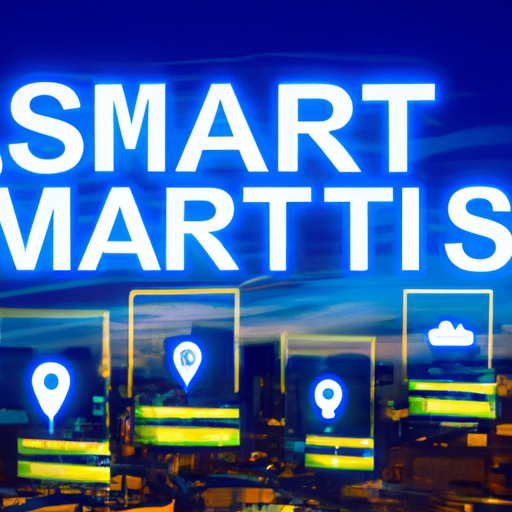
In today’s rapidly evolving world, the concept of smart cities is gaining traction as urban areas strive for innovation and sustainability. These technologically advanced environments leverage Internet of Things (IoT) devices and smart technologies to enhance the quality of life for their residents while addressing environmental challenges.

What Makes a City ‘Smart’?

A smart city integrates various technological solutions to manage and improve the efficiency of urban services such as transportation, utilities, and public safety. This integration leads to:

  • Improved transportation systems that reduce traffic congestion.
  • Efficient waste management through smart bins equipped with sensors.
  • Enhanced energy management using smart grids.
  • Increased safety and security through surveillance systems linked to real-time data.

Benefits of Smart Cities

The implementation of smart city technologies brings numerous benefits:

  • Sustainability: Reduces carbon footprints and promotes eco-friendly practices.
  • Economic Growth: Creates new job opportunities in technology and sustainability sectors.
  • Community Engagement: Involves residents in decision-making through data-driven insights.
  • Improved Public Services: Enhances the delivery of healthcare, education, and safety services.

Challenges Ahead

Despite the vast potential of smart cities, several challenges persist:

  • High initial costs of technology implementation.
  • Data privacy and security concerns.
  • Need for continuous upgrades and maintenance.

The Future of Urban Living

As more cities around the globe turn to the smart city model, the integration of technology into urban planning is set to revolutionize living standards. The ongoing advancements in smart technology and the commitment to sustainability are paving the way for future-proof urban developments. Cities like Singapore, Barcelona, and Amsterdam serve as prime examples of how innovative solutions can transform urban environments into smarter, greener, and more livable spaces.

In conclusion, the rise of smart cities signifies a transformative era in urban development. By harnessing technology, cities can tackle today’s challenges, creating a brighter, sustainable future for their inhabitants.

Stay tuned for more updates on urban innovation and technology!

Embracing Digital Health Solutions: Revolutionizing Healthcare Delivery

November 25, 2025 Latest

In recent years, the healthcare industry has experienced a profound transformation due to the advent of digital health solutions. This evolution has redefined how patients and healthcare providers interact, paving the way for improved efficiency and accessibility.

What are Digital Health Solutions?

Digital health solutions encompass a wide range of technologies designed to enhance healthcare delivery. These include:

  • Telemedicine: Virtual consultations that allow patients to connect with healthcare providers from the comfort of their homes.
  • Health Apps: Mobile applications that assist individuals in managing their health, tracking fitness goals, and maintaining medication schedules.
  • Remote Patient Monitoring: Using devices to collect and send patient data to healthcare professionals in real time.

Benefits of Digital Health Solutions

The integration of digital health solutions into healthcare systems offers numerous benefits:

  • Increased Access: Patients in remote or underserved areas can access healthcare services without the need for long-distance travel.
  • Cost-Effectiveness: Technology can significantly reduce healthcare costs by cutting down on administrative burdens and unnecessary hospital visits.
  • Timely Interventions: Immediate access to medical advice can lead to quicker diagnoses and treatment plans, ultimately improving patient outcomes.

Challenges Faced by Digital Health Solutions

While the benefits are substantial, the deployment of digital health solutions also presents challenges:

  • Data Privacy: Protecting sensitive patient information is paramount, necessitating robust cybersecurity measures.
  • Technology Adoption: Not all patients and providers are comfortable with technology, leading to disparities in usage.
  • Regulatory Hurdles: Compliance with health regulations can slow down the implementation of new technologies.

The Future of Digital Health Solutions

As technology continues to evolve, the future of digital health solutions looks promising. Innovations in artificial intelligence, machine learning, and data analytics are set to enhance personalized medicine further, ensuring that healthcare becomes more proactive rather than reactive.

Ultimately, embracing digital health solutions not only improves healthcare efficiency and accessibility but also revolutionizes the patient experience. As we move into this new era of healthcare, it’s essential to continue advocating for integration and acceptance of these technologies across the board.

Conclusion

Digital health solutions represent a significant leap forward in our ability to deliver effective and efficient healthcare. By addressing the challenges and continuing to foster innovation, we can create a healthcare landscape that is more equitable, effective, and patient-centered.

The Future of Augmented Reality: Trends and Innovations in 2023

News

In the ever-evolving landscape of technology, Augmented Reality (AR) continues to pave the way for groundbreaking innovations in various sectors. As we step further into 2023, the trends in AR technology offer exciting insights into its potential and applications.

1. Enhanced User Engagement Across Industries

Augmented Reality is revolutionizing how businesses engage with their customers. From retail to real estate, AR creates immersive experiences, allowing users to visualize products and spaces in real-time. For instance, furniture retailers are using AR to let customers visualize how a piece of furniture would look in their home before making a purchase.

2. Integration with Artificial Intelligence

The combination of AR and Artificial Intelligence (AI) is expected to gain traction in 2023. AI can analyze user data and adapt AR experiences, leading to personalized interactions. This integration is set to enhance training programs in industries such as healthcare, where AR can provide real-time feedback during surgical procedures.

3. Rise of AR Applications in Education

Educational institutions are leveraging AR to bring lessons to life. Interactive simulations and visualizations can transform complex subjects into engaging and understandable forms. AR-based educational apps will continue to grow, making remote learning more interactive and effective.

4. AR in Gaming and Entertainment

The gaming industry remains a key driver for AR innovations. Titles like Pokemon GO have set the precedent for location-based AR gaming. New advancements aim to provide even more immersive experiences, potentially incorporating haptic feedback and advanced graphics.

5. AR for Navigation and Travel

AR is also enhancing navigation systems, providing real-time directions overlaid on the user’s field of vision. Travel apps that use AR to enhance the touring experience by offering historical information about landmarks overlayed on the actual view are becoming increasingly popular.

Conclusion

As we move through 2023, the impact of Augmented Reality on industries and consumer behaviors is undeniable. With rapid advancements in technology, the potential for AR is vast, promising more immersive, interactive experiences that redefine how we engage with the world around us.

Stay ahead in this exciting technological revolution by embracing the innovations that Augmented Reality offers and keeping an eye on emerging trends.

Top Fintech Innovations Transforming the Financial Landscape

November 24, 2025 Latest

The financial industry is undergoing a significant transformation thanks to the rise of fintech innovations. From AI algorithms to blockchain technology, these advancements are revolutionizing how we manage money, make transactions, and interact with financial institutions.

What is Fintech?

Fintech, short for financial technology, refers to the integration of technology into offerings by financial services companies to improve their use of financial services. This includes everything from online banking to payment solutions, and investment platforms. The goal of fintech innovations is to streamline, enhance, and democratize financial services.

1. Blockchain Technology

Blockchain is one of the most significant innovations within fintech. It serves as a secure digital ledger for transactions, making it almost impossible to alter data retrospectively. The ability to provide increased transparency and security has led to its rapid adoption in areas such as cryptocurrency trading, supply chain finance, and identity verification.

2. Artificial Intelligence in Finance

AI is transforming various sectors, and finance is no exception. With machine learning algorithms, financial institutions can analyze vast amounts of data to predict market trends, assess credit risk, and enhance customer service through chatbots and virtual assistants.

3. Digital Banking

Digital banks or neobanks offer financial services entirely online, without the traditional physical branches. This innovation leads to lower operational costs and greater convenience for customers, allowing them to manage their finances from anywhere at any time.

4. Payment Solutions

The emergence of mobile payment solutions such as Apple Pay, Google Wallet, and various fintech startups has transformed the way consumers and businesses make transactions. This not only simplifies the payment process but also enhances security through features like tokenization.

5. Robo-Advisors

Robo-advisors are algorithm-driven platforms that offer financial planning services with minimal human intervention. They analyze the user’s financial status and goals to create tailored investment portfolios, making investment more accessible to the general public.

Conclusion

Fintech innovations are not just reshaping financial services; they are redefining how individuals perceive and manage money. As technology continues to integrate into every aspect of finance, staying informed about these changes is crucial for both consumers and businesses. Embrace these innovations to enhance your financial experience!

Stay Updated!

Follow our blog for more insights on fintech innovations and trends impacting the financial industry!

Revolutionizing Industries with Edge AI Applications

Latest

In today’s fast-paced digital landscape, the integration of Edge AI into various applications is rapidly gaining traction. Businesses across multiple sectors are discovering the transformative power of deploying artificial intelligence capabilities closer to the source of data generation. This blog post delves into how Edge AI is reshaping industries through real-time analytics, reduced latency, and enhanced privacy.

What is Edge AI?

Edge AI represents the convergence of artificial intelligence and edge computing. It allows data processing and decision-making to occur closer to the edge of the network — at or near the location where data is created, rather than relying on cloud computing. This architecture minimizes latency and bandwidth usage while maximizing the speed and efficiency of data processing.

Key Applications of Edge AI

1. Internet of Things (IoT)

IoT devices generate vast amounts of data and require quick processing to make real-time decisions. Edge AI enables smart sensors and devices to analyze data on-site, leading to faster response times in applications like smart homes, industrial automation, and healthcare.

2. Autonomous Systems

From self-driving cars to drones, Edge AI is crucial for enabling autonomous systems to process their environment in real time. With powerful computing at the edge, these systems can make immediate decisions, enhancing safety and efficiency.

3. Real-Time Analytics

Businesses can leverage Edge AI for real-time analytics, allowing for instant insights and decision-making based on current data. This is particularly valuable in sectors like retail, where quick adaptations to inventory management and customer behavior are essential.

4. Security and Privacy

By processing data locally rather than sending it to the cloud, Edge AI enhances data security and user privacy. Sensitive information can be analyzed and acted upon without ever leaving the edge device, making it an ideal solution for industries with strict compliance requirements.

Conclusion

As industries continuously evolve, the implementation of Edge AI technologies is proving to be a game-changer. With applications ranging from IoT to autonomous systems and real-time analytics, Edge AI empowers businesses to operate more efficiently and securely. Embracing these innovations will be vital for staying competitive in the digital age.

The Future of Health Tracking: Wearable Health Monitors

November 23, 2025 Latest

In today’s fast-paced world, health and fitness have taken center stage, and the rise of wearable health monitors has revolutionized how we track our health metrics. These innovative devices empower users by providing real-time data on their physical well-being, helping to foster healthier lifestyles.

What Are Wearable Health Monitors?

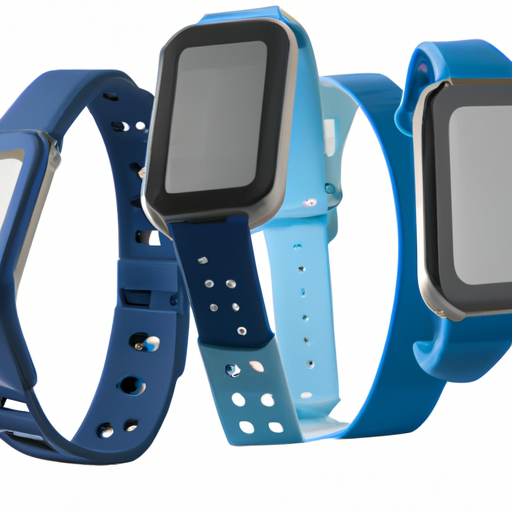
Wearable health monitors are devices that can be worn on your body, such as smartwatches, fitness trackers, or clothing with embedded sensors. They analyze various health metrics, including heart rate, sleep patterns, physical activity, and even blood pressure, allowing individuals to gain insights into their health without visiting a clinic.

Benefits of Wearable Health Monitors

  • Real-Time Health Tracking: Wearable devices offer real-time monitoring, enabling users to track their health metrics continuously. This instant feedback can help in making timely adjustments to workouts or daily activities.
  • Personalized Health Insights: The data collected can be tailored to individual needs, providing personalized fitness plans and recommendations based on the user’s activity levels and health requirements.
  • Motivation to Stay Active: Many wearable health monitors come with goal-setting features, reminders, and notifications that encourage users to stay active throughout the day.
  • Integration with Other Health Technologies: Most wearable devices can sync with apps and other health technologies, offering a comprehensive view of one’s health.

Popular Types of Wearable Health Monitors

There are several types of wearable health monitors available today:

  • **Fitness Trackers:** Devices like Fitbit track steps, calories burned, and heart rate.
  • **Smartwatches:** Apple Watch and Samsung Galaxy Watch include fitness tracking alongside features like messaging and music.
  • **Heart Rate Monitors:** Chest straps and wrist-based monitors that provide accurate heart rate readings.
  • **Sleep Trackers:** Specialized devices designed to monitor sleep quality, duration, and cycles.

Challenges and Considerations

While wearable health monitors provide various benefits, it’s essential to consider privacy and data security. Users must be cautious about personal health data sharing and understand the policies of the apps with which they sync their devices.

Conclusion

With the ongoing advancements in health technology, the future of personal healthcare looks promising. Wearable health monitors are more than just gadgets; they are valuable tools for enhancing overall well-being and empowering users to live healthier lives. Whether you’re a fitness enthusiast or just looking to keep track of basic health metrics, investing in a quality wrist wearable device can lead to better health management and insights.

Stay tuned for more insights on the latest trends in health technology!

The Future of Fashion: Innovations in Smart Textiles

Latest

In recent years, smart textiles have emerged as a groundbreaking development in the fabric and fashion industries. These innovative fabrics are not just visually appealing; they integrate technology that enables them to interact with the wearer and their environment. This blog post will explore the fascinating world of smart textiles, their applications, and what the future holds for this technology.

What Are Smart Textiles?

Smart textiles, often referred to as electronic textiles or e-textiles, are fabrics that are woven with conductive wires and electronic components. This technology allows them to perform a variety of functions, such as monitoring health data, regulating temperature, or even charging electronic devices. With the rise of wearables, smart textiles have found applications in various industries, from fashion and sports to healthcare and military.

Applications of Smart Textiles

  • Healthcare: Smart textiles are increasingly used in healthcare, providing vital signs monitoring integrated directly into clothing, such as T-shirts that monitor heart rates or fabric that detects body temperature and other health metrics.
  • Sports and Fitness: Athletes can benefit from wearables that track performance, hydration, and muscle activity. Smart activewear can provide feedback in real-time, helping athletes optimize their training and performance.
  • Fashion: Designers are embracing smart textiles to create garments that can change colors based on mood, temperature, or surroundings. The fusion of fashion and technology is creating new styles and aesthetics in the industry.
  • Smart Home Integration: Fabrics embedded with technology can be integrated into smart home systems, allowing for curtains that open with voice commands or blankets that can adjust their temperature based on the user’s preferences.

The Advantages of Smart Textiles

Smart textiles provide numerous advantages that set them apart from traditional fabrics. Some of these benefits include:

  • Enhanced Functionality: The incorporation of technology allows these textiles to perform multiple functions beyond mere protection and aesthetics.
  • Improved Comfort: Many smart fabrics can regulate temperature and moisture, providing a more comfortable experience for the wearer.
  • Increased Safety: In certain applications, such as automotive or military use, smart textiles can contribute to safety by monitoring ill effects such as wear and tear.

The Future of Smart Textiles

The evolution of smart textiles is only at its dawn. Innovations in nanotechnology, biotechnology, and materials science are expected to drive further advancements in this field. We can expect:

  • Greater Integration with IoT: Smart textiles will increasingly connect with the Internet of Things (IoT), resulting in more intelligent and seamlessly integrated user experiences.
  • Sustainability: As environmental concerns rise, companies are expected to develop eco-friendly smart textiles that bear less impact on the environment.
  • Widespread Adoption: As production costs decrease, we may soon see smart textiles pervasive in everyday wear, transforming our relationship with clothing.

Conclusion

Smart textiles represent a thrilling frontier in fashion, technology, and healthcare, merging style with functionality. As we explore innovative ways to integrate technology into our lives, the potential for smart textiles is limitless. They not only make life easier, but they also pave the way for sustainable practices and improved well-being. Keep an eye on this exciting trend; the future of fashion is here!

For more insights into cutting-edge innovations, stay tuned for our next blog post!

The Rise of Telemedicine: Transforming Healthcare Access

November 22, 2025 News

Telemedicine is revolutionizing the way healthcare is delivered, offering patients a convenient and efficient way to access medical care. With the rapid advancement of technology and an increasing emphasis on remote patient monitoring, telehealth solutions have become a vital resource in today’s healthcare landscape.

What is Telemedicine?

Telemedicine refers to the use of telecommunications technology to provide healthcare services remotely. This includes virtual consultations, health assessments, and follow-up appointments conducted via video calls or secure messaging platforms. As healthcare systems adapt to the challenges of the 21st century, telemedicine offers a flexible alternative to traditional in-person visits.

The Growth of Telemedicine

In recent years, particularly during the COVID-19 pandemic, the adoption of telemedicine has surged. Patients and providers alike have recognized the benefits of virtual consultations, from reducing the risk of infection to saving time and resources. According to Statista, over 75% of patients are willing to use telehealth services, highlighting a significant shift in consumer acceptance.

Benefits of Telehealth Services

  • Increased Access: Telemedicine bridges the gap between patients and healthcare providers, especially in underserved or rural areas.
  • Convenience: Patients can schedule appointments from the comfort of their homes, minimizing travel time and associated costs.
  • Enhanced Monitoring: Remote patient monitoring tools enable healthcare providers to keep track of patients’ health in real-time, fostering proactive care.
  • Cost-effective: Telehealth can reduce overhead costs for medical practices, which can, in turn, lower expenses for patients.

Challenges Ahead

Despite its many advantages, telemedicine faces challenges, including regulatory hurdles, technology access disparities, and concerns about data privacy. Addressing these issues is crucial for the long-term sustainability of telehealth solutions.

Future of Telemedicine

As technology continues to evolve, the future of telemedicine looks promising. Innovations in artificial intelligence, machine learning, and mobile health applications are expected to further enhance telehealth services. The integration of telemedicine into routine care can lead to improved health outcomes and a more efficient healthcare system.

Conclusion

Telemedicine is not just a temporary solution; it represents a significant shift in healthcare delivery. By embracing telehealth, patients and providers can work together to create a more accessible and effective healthcare environment.

For more information on telemedicine and its benefits, stay tuned to our blog!

Understanding Cybersecurity Mesh: A New Approach to Digital Security

News

In today’s digital landscape, where cyber threats continue to evolve at an alarming rate, traditional cybersecurity measures often fall short. Enter Cybersecurity Mesh—a transformative approach to enhancing security that prioritizes a decentralized structure over the conventional perimeter-based security model.

What is Cybersecurity Mesh?

Cybersecurity Mesh is a flexible, modular approach that provides an interconnected and multifaceted strategy for managing security across distributed environments. Unlike traditional models that focus on defending a single perimeter, a Cybersecurity Mesh allows organizations to integrate security solutions across different technological environments.

Benefits of Cybersecurity Mesh

  • Enhanced Resilience: By decentralizing security protocols, organizations can build resilience against cyber threats, ensuring that no single point of failure compromises the entire system.
  • Scalability: As organizations grow and incorporate new digital tools, Cybersecurity Mesh can easily scale to accommodate these changes without requiring a complete overhaul of the security architecture.
  • Improved Visibility: This framework facilitates better visibility across networks, enabling security teams to manage vulnerabilities and respond to incidents more effectively.

Implementing Cybersecurity Mesh

Implementing a Cybersecurity Mesh involves adopting various technologies and practices, including:

  • Integration of cloud-native security tools
  • Continuous monitoring of security policies
  • Defining clear roles and responsibilities for incident response

Organizations should also focus on regular employee training to foster a culture of security awareness.

The Future of Cybersecurity

As businesses continue to navigate the complexities of the cyber landscape, embracing a Cybersecurity Mesh offers a promising path forward. With its focus on decentralized security, organizations can be better prepared to confront emerging threats. By understanding and implementing this framework, businesses can not only protect their digital assets more effectively but also enhance their overall security posture in an increasingly uncertain world.

Stay tuned for more insights on how to bolster your cybersecurity strategies and stay ahead of threats.