
Archives!


Unlocking the Power of Edge Computing: Benefits and Use Cases

November 7, 2025 Latest

In today’s fast-paced digital landscape, businesses face the challenge of processing vast amounts of data in real-time. This is where Edge Computing comes into play, revolutionizing the way organizations handle data and interact with their systems. In this post, we’ll explore the concept of edge computing, its key advantages, and some compelling use cases that demonstrate its potential.

What is Edge Computing?

Edge computing is a distributed computing paradigm that brings computation and data storage closer to the location where it is needed. By processing data near the source, edge computing reduces latency and bandwidth use, enabling faster decision-making and improved performance for real-time applications.

Why is Edge Computing Important?

With the rise of the Internet of Things (IoT) and an increasing number of connected devices, handling data at the edge has become imperative. Edge computing enhances data processing capabilities, thereby addressing the limitations of traditional cloud computing, especially for applications that require immediate insights.

Key Benefits of Edge Computing:

  • Reduced Latency: Edge computing minimizes the distance data has to travel, resulting in faster data processing and response times.
  • Bandwidth Efficiency: By processing data locally, organizations can significantly reduce bandwidth costs and prevent network congestion.
  • Improved Reliability: Edge computing systems can continue to function even with intermittent connectivity to centralized cloud servers.
  • Enhanced Security: Sensitive data can be processed at the edge, reducing the risk associated with transmitting data over networks.

Real-World Use Cases of Edge Computing

Edge computing is transforming industries by enabling innovative applications. Here are some notable examples:

1. Smart Manufacturing

Manufacturers are using edge computing to monitor machinery and equipment in real-time, allowing for predictive maintenance and reducing downtime.

2. Autonomous Vehicles

Self-driving cars rely heavily on edge computing to process vast amounts of sensor data instantly, ensuring safe and efficient navigation.

3. Healthcare

In healthcare, edge computing allows for real-time patient monitoring, improving response times for critical care and enhancing overall patient outcomes.

4. Smart Cities

Edge computing powers smart city applications by managing traffic flows, public safety, and utilities, leading to more efficient urban living.

Conclusion

As businesses continue to generate and rely on massive quantities of data, edge computing presents a compelling solution to improve performance and efficiency. Embracing this technology can help organizations unlock the true potential of their data and maintain a competitive edge in the market.

Ready to explore how edge computing can transform your business? Contact us today!
Understanding the Impact of the Internet of Things (IoT)

Latest

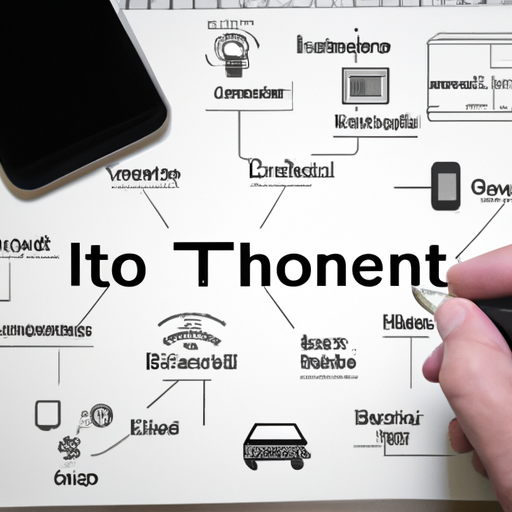
The Internet of Things (IoT) has emerged as one of the most revolutionary technological trends of our time. By connecting everyday objects to the internet, IoT enhances our ability to monitor, analyze, and optimize processes across various sectors. This blog post will delve into the impact of IoT on our lives and industries.

What is the Internet of Things (IoT)?

IoT refers to the network of devices that are connected to the internet, allowing them to communicate and exchange data. These devices, ranging from household appliances to industrial machinery, have sensors that collect and send data. IoT not only connects these devices but also enables automation and data analysis, leading to smarter living and enhanced efficiency.

How IoT is Transforming Industries

1. Healthcare

In healthcare, IoT devices are used for remote patient monitoring, tracking vital signs and sending alerts to medical professionals in case of abnormalities. Smart health devices allow patients to manage their health better, leading to improved outcomes.

2. Manufacturing

IoT in manufacturing, often termed Industry 4.0, leverages smart sensors and connected machines to improve operational efficiency. Predictive maintenance is enabled through real-time monitoring of equipment, reducing downtime and maintenance costs.

3. Smart Homes

Smart home technology is one of the most visible applications of IoT. Smart thermostats, lighting systems, and security devices allow homeowners to efficiently manage their energy consumption and enhance security, all controllable from a smartphone.

The Future of IoT

As technology continues to advance, the potential of IoT is limitless. Future developments may include more sophisticated automation, improved data analytics, and enhanced capabilities for smart devices. Furthermore, with the rollout of 5G networks, IoT devices will become even more interconnected, leading to faster and more reliable connections.

Challenges Ahead

Despite its vast potential, IoT also faces challenges, including security vulnerabilities and data privacy concerns. Ensuring that IoT devices are secure and that user data is protected is paramount as adoption grows.

Conclusion

The Internet of Things is not just a trend; it is reshaping our lives and industries. As we embrace IoT technology, we must navigate its challenges thoughtfully to harness its full potential. The future is certainly bright for IoT, making it an exciting area to watch in the coming years.

Unlocking the Power of Multi-Cloud Strategies: A Comprehensive Guide

November 6, 2025 Latest

The rapid evolution of cloud technology has given rise to innovative multi-cloud strategies, allowing businesses to optimize their IT infrastructure, while ensuring reliability and security. In this guide, we will delve into the benefits and best practices for implementing a successful multi-cloud approach.

What is a Multi-Cloud Strategy?

A multi-cloud strategy refers to the utilization of two or more cloud computing services from different vendors. This approach enables organizations to leverage the strengths of multiple cloud platforms, optimizing for performance, cost, and flexibility.

Benefits of Multi-Cloud Strategies

  • Improved Flexibility: Businesses can choose specific services from different providers based on their unique requirements, leading to a more customized cloud environment.
  • Increased Redundancy and Reliability: By diversifying cloud providers, organizations reduce the risk of downtime or data loss, enhancing overall operational stability.
  • Cost Management: Companies can optimize their spending by selecting cost-effective solutions tailored to different workloads.
  • Enhanced Security: Distributing workloads across multiple cloud services can minimize security risks associated with having all data in one location.
  • Regulatory Compliance: Organizations can better meet compliance requirements by choosing cloud providers that adhere to specific regulations.

Best Practices for Implementing Multi-Cloud Strategies

To capitalize on the benefits of multi-cloud strategies, consider the following best practices:

1. Assess Your Needs

Before diving into multi-cloud, conduct a thorough assessment of your organization’s specific needs, including workload requirements, security concerns, and budget constraints.

2. Choose the Right Providers

Research and select cloud providers that align with your business objectives, technological capabilities, and security measures. Aim for a mix of major players and niche providers to capture various benefits.

3. Ensure Interoperability

Ensure that your chosen cloud services can communicate effectively with one another to avoid data silos and enhance collaboration.

4. Monitor and Optimize

Regularly monitor your multi-cloud environment for performance, costs, and security. Use analytics tools to optimize resource allocation and identify inefficiencies.

Conclusion

Adopting a multi-cloud strategy can be a game-changer for organizations seeking flexibility, cost savings, and enhanced security in their IT environments. By following the best practices outlined in this guide, businesses can effectively leverage the power of multi-cloud to drive innovation and growth.

Ready to explore multi-cloud strategies for your business? Contact us today to learn how we can help you implement a tailored cloud solution!

Exploring the Rise of Sustainability Tech: Innovations for a Greener Future

Latest

Sustainability tech is rapidly becoming a cornerstone of modern innovation, driving significant change across numerous industries. As awareness of environmental issues grows, businesses and individuals are seeking ways to adopt green technology practices. This blog post dives deep into the various aspects of sustainability tech and how these innovations are shaping a better future for our planet.

What is Sustainability Tech?

Sustainability tech refers to technologies aimed at reducing environmental impact and promoting the sustainable use of resources. This can include everything from renewable energy solutions to smart agricultural systems that minimize waste and maximize efficiency. With the challenges posed by climate change, these technologies are more important than ever.

Key Innovations in Sustainability Tech

  • Renewable Energy: Solar panels, wind turbines, and hydroelectric systems are at the forefront of the fight against fossil fuels. These renewable energy sources are becoming increasingly efficient and affordable, making them accessible to a wider range of consumers.
  • Smart Grids: Modernizing electrical grids with smart technology allows for better energy management and reduces waste. Smart grids enable consumers to understand their energy usage and adjust their consumption accordingly.
  • Waste Management Solutions: Technology plays a critical role in improving waste management. From composting machines that convert organic waste into energy, to recycling robots that sort materials efficiently, these innovations tackle waste head-on.
  • Sustainable Agriculture: Agtech innovations like precision farming, vertical farming, and genetically modified crops that require less water or pesticides are revolutionizing how we produce food while minimizing environmental damage.
  • Green Building Technologies: New construction technologies, such as energy-efficient materials and building automation systems, contribute to sustainable architecture and reduce the carbon footprint of homes and businesses.

The Role of Businesses in Sustainability Tech

Businesses are crucial in promoting sustainability tech. By adopting sustainable practices and integrating new technologies, they can significantly reduce their environmental impact. Companies that prioritize sustainability are not only contributing to a healthier planet but also appealing to increasingly eco-conscious consumers.

Future Trends in Sustainability Tech

The future of sustainability tech looks promising, with continued advancements on the horizon. Emerging technologies such as artificial intelligence (AI) and the Internet of Things (IoT) are expected to further enhance sustainability efforts. These technologies can optimize energy use, manage resources more efficiently, and provide valuable data on environmental impact.

Conclusion

As we face environmental challenges, sustainability tech offers solutions that can lead us towards a more sustainable future. From renewable energy to innovative agricultural practices, technology is paving the way for a greener planet. By embracing these technologies, we can not only protect our environment but also create a new industry of eco-friendly solutions that benefit everyone.

For anyone passionate about sustainability, staying informed about the latest advancements in tech is vital. Join the movement towards a more sustainable world by supporting sustainable tech initiatives!

Revolutionizing Logistics: The Impact of Digital Supply Chain Solutions

November 5, 2025 News

In today’s fast-paced business environment, Digital Supply Chain Solutions are becoming essential for organizations looking to optimize their logistics operations. With the rise of e-commerce and global trade, the demand for efficient and responsive supply chains has never been higher.

Digital Transformation is at the forefront of this change, integrating cutting-edge technologies such as artificial intelligence, machine learning, and the Internet of Things (IoT) into supply chain management. These advancements not only streamline operations but also provide real-time insights into inventory levels, shipping statuses, and customer demand.

Enhancing Efficiency in Supply Chains

One of the primary benefits of implementing digital supply chain solutions is increased efficiency. By automating processes and utilizing data analytics, companies can reduce operational costs and minimize bottlenecks. For example, predictive analytics can forecast demand trends, allowing companies to adjust their inventory accordingly and avoid stockouts or overstock situations.

Additionally, Logistics Technology empowers organizations to enhance their supply chain visibility. Tracking shipments in real-time not only boosts customer satisfaction but also aids in better planning and decision-making. This comprehensive visibility is critical for managing risks and ensuring that businesses stay agile amidst market fluctuations.

Future Trends in Digital Supply Chains

As the landscape of logistics continues to evolve, companies must stay ahead of the curve by adopting Digital Supply Chain Solutions. Future trends suggest that the integration of blockchain technology could further revolutionize supply chains, ensuring transparency and security in transactions.

In conclusion, embracing these digital solutions is no longer just an option for companies; it’s a necessity for thriving in the competitive market. By transforming their supply chain processes, businesses can not only enhance efficiency but also build stronger relationships with their customers.

Stay tuned for more insights on how logistics technology is shaping the future of supply chain management!

The Future of Cyber Physical Systems: Integrating Digital and Physical Worlds

News

In recent years, the concept of Cyber Physical Systems (CPS) has gained significant traction across various industries. As we step into a more technologically advanced era, the integration of digital and physical systems is reshaping the landscape of automation and efficiency.

What are Cyber Physical Systems?

CPS are engineered systems that seamlessly integrate computation, networking, and physical processes. These systems utilize sensors, software, and communication technology to monitor and control physical devices in real time, making them a vital component of the Internet of Things (IoT) and Industry 4.0.

Key Benefits of Cyber Physical Systems

  • Enhanced Automation: CPS enable deeper automation of tasks, reducing human intervention and increasing output.
  • Real-time Monitoring: Continuous monitoring of physical systems can lead to improved decision-making and predictive maintenance.
  • Increased Efficiency: By optimizing processes, CPS can significantly lower operational costs and resource wastage.
  • Improved Safety: Real-time data analysis can foresee potential issues, making environments safer for workers.

Applications of Cyber Physical Systems

From manufacturing to healthcare, the applications of CPS are vast and varied. In manufacturing settings, CPS helps streamline production lines, while in the healthcare sector, they’re utilized for patient monitoring systems that provide critical data to healthcare professionals.

The Future of Cyber Physical Systems

The future of CPS is bright, with projections showing an increase in adoption across industries as businesses look to enhance their operational capabilities. With advancements in artificial intelligence and machine learning, Cyber Physical Systems will become even more intelligent and responsive, leading to smarter, more connected environments.

Conclusion

As we continue to see rapid advancements in technology, the role of Cyber Physical Systems in driving innovation and efficiency will only grow. Businesses that embrace these systems will likely lead the way into the next generation of technological integration, paving the path for smarter and more efficient industries.

Stay tuned for more updates and insights into the exciting world of Cyber Physical Systems!

For more information about Cyber Physical Systems, visit our website or subscribe to our newsletter.

Unlocking the Power of Multi-Cloud Strategies for Businesses

November 4, 2025 News

Date: 2023-10-05

In today’s rapidly evolving business landscape, companies are increasingly turning towards multi-cloud strategies to optimize their operations and drive innovation. Embracing multiple cloud providers not only enhances flexibility but also helps in leveraging the strengths of various services to cater to different business needs.

What are Multi-Cloud Strategies?

Multi-cloud strategies involve the use of multiple cloud computing services in a single architecture. This approach allows businesses to avoid vendor lock-in, increase redundancy, and improve resilience. By balancing workloads across different providers, organizations can ensure consistent performance and operational efficiency.

Benefits of Adopting a Multi-Cloud Strategy

  • Enhanced Flexibility: Businesses can select the best services and solutions from various vendors, tailoring their cloud environment to meet specific requirements.
  • Cost-Effectiveness: By optimizing resource usage and negotiating better deals with multiple providers, companies can reduce overall costs associated with cloud services.
  • Improved Security: Distributing data and applications across various clouds can mitigate risks, as no single point of failure exists.
  • Accessibility and Data Sovereignty: Multi-cloud solutions can enhance compliance with local laws and regulations regarding data handling and privacy.

Challenges to Consider

While multi-cloud strategies present numerous advantages, they also come with challenges such as:

  • Increased complexity in management and integration of multiple cloud services.
  • The need for skilled personnel who are versed in various cloud platforms.
  • Potential security vulnerabilities if not managed properly.

Conclusion

As the demand for digital transformation continues to rise, adopting a multi-cloud strategy can provide businesses with a competitive edge. By understanding and addressing the associated challenges, organizations can harness the full potential of cloud computing to drive their growth and innovation journey.

For more insights on cloud computing and technology trends, stay tuned!

The Latest Advancements in Drone Technology: What You Need to Know

News

In recent years, the drone industry has witnessed rapid advancements that are revolutionizing various sectors. From agriculture to surveillance and delivery services, UAVs (unmanned aerial vehicles) are transforming how we operate in both rural and urban environments.

Key Trends in Drone Technology

  • Increased Autonomy: Modern drones are equipped with advanced AI and machine learning capabilities, allowing them to perform complex tasks without human intervention.
  • Regulatory Changes: Government regulations are evolving to accommodate the growth of drone usage, with new rules on safety and airspace integration being established.
  • Enhanced Payload Capacity: New designs and materials are enabling drones to carry heavier payloads, making them suitable for commercial deliveries and agricultural spraying.
  • Integration of Advanced Sensors: Drones are increasingly being outfitted with high-resolution cameras, LiDAR, and thermal imaging, expanding their applications in construction, mapping, and search & rescue operations.

Applications of Drones in Various Industries

Drones are making significant impacts across different industries:

  • Agriculture: Farmers utilize drones for crop monitoring, precision agriculture, and livestock management.
  • Renewable Energy: Drones are essential for inspecting solar panels and wind turbines, ensuring maintenance is performed quickly and safely.
  • Logistics and Delivery: Companies like Amazon are exploring drone delivery systems to enhance fulfillment capabilities.
  • Emergency Services: Drones provide critical support for firefighting, disaster response, and search and rescue missions.

The Future of Drone Technology

As technology continues to evolve, the future of drones looks promising. Innovations in battery life, miniaturization, and AI will drive new use cases, making drones even more versatile and beneficial.

Stay updated with the latest news and advancements in drone technology to understand how these incredible machines will continue to shape our world.

Revolutionizing Healthcare: The Rise of Digital Health Solutions

November 3, 2025 News

In recent years, digital health solutions have emerged as crucial players in transforming the healthcare landscape. With rapid advancements in technology, these solutions are not only enhancing patient engagement but also improving overall health outcomes.

The Growth of Telemedicine

One of the most significant developments in digital health is the rise of telemedicine. Telemedicine allows patients to connect with healthcare providers from the comfort of their homes, reducing the need for in-person visits. This innovation has proven invaluable during the COVID-19 pandemic, enabling continuous care while prioritizing safety.

Remote Patient Monitoring

Remote patient monitoring technologies are also gaining traction. Devices like wearable fitness trackers and health monitoring systems provide real-time data to healthcare professionals, allowing for timely interventions and better management of chronic illnesses. This shift towards proactive healthcare is empowering patients to take charge of their health.

Digital Health Innovations

Moreover, the integration of Health Tech applications—ranging from mental health apps to chronic disease management tools—has democratized access to healthcare information. Patients are now able to monitor their conditions, schedule appointments, and communicate with their doctors seamlessly through mobile devices.

The Future of Digital Health

As we look to the future, the importance of digital health innovations will only continue to grow. With investments in artificial intelligence and data analytics, the potential to personalize healthcare experiences is at our fingertips. The accessibility and efficiency of these solutions can pave the way for healthier populations worldwide.

Conclusion

Digital health solutions represent a pivotal transformation in how healthcare is delivered and accessed. As technology continues to evolve, so will the opportunities for improving patient care and outcomes. Embracing these innovations is essential for healthcare providers aiming to meet the demands of a modern patient population.

Stay tuned for more updates on the latest trends in digital health solutions and how they are reshaping the healthcare industry.

Unlocking the Potential of Digital Twins in Modern Industry

Latest

The rapid advancement of technology has paved the way for innovations that were once considered futuristic. Among these innovations, digital twins have emerged as a core component of Industry 4.0. This blog post delves into the concept of digital twins, their applications, and the benefits they bring to various industries.

What is a Digital Twin?

A digital twin is a virtual representation of a physical object or system. By utilizing data gathered from the Internet of Things (IoT), a digital twin creates a dynamic and real-time model that reflects the state, context, and behavior of its physical counterpart. This technology allows engineers and stakeholders to analyze, predict, and optimize performance without the risks associated with manipulating the actual system.

Applications of Digital Twins

Digital twins find application across various sectors, including:

  • Manufacturing: In industrial manufacturing, digital twins are used to simulate factory operations, monitor equipment health, and optimize production processes.
  • Healthcare: Digital twins can model patient data to personalize treatment plans and predict potential health problems.
  • Smart Cities: Urban planners utilize digital twins to simulate urban environments, improving traffic management and energy efficiency.
  • Aerospace: In aerospace, digital twins help enhance the design process and monitor the performance of aircraft and engines during operation.

Benefits of Implementing Digital Twins

Implementing digital twin technology offers numerous benefits:

  • Improved Decision-Making: Access to real-time data enables companies to make informed decisions that enhance operational efficiency.
  • Cost Reduction: By simulating various scenarios and predicting failures, businesses can reduce maintenance costs and downtime.
  • Enhanced Innovation: Rapid prototyping in a virtual environment accelerates product development and innovation.

The Future of Digital Twins

As we move further into the digital transformation era, the use of digital twins is expected to expand significantly. The convergence of AI, machine learning, and quantum computing will further enhance the capabilities of digital twins, making them even more integral to business strategies across industries.

Conclusion

Digital twins are transforming the way industries operate by providing a framework for optimization, predictive analysis, and innovative solutions. As technology continues to advance, embracing digital twin technology will be key for businesses looking to thrive in an increasingly competitive market.

Ready to explore how digital twins can benefit your industry? Start your transformation journey today!