
Tracking Sustainability: The Future of Eco-Friendly Practices

April 11, 2025 News

In today’s rapidly changing world, sustainability tracking has emerged as a crucial tool for organizations committed to reducing their environmental impact. As businesses and individuals increasingly strive towards eco-friendly practices, the ability to measure and report sustainability efforts becomes essential for meeting regulatory requirements and consumer expectations.

Why is Sustainability Tracking Important?

Organizations worldwide are setting ambitious sustainability goals, whether it’s achieving net-zero emissions, reducing waste, or enhancing energy efficiency. However, without proper tracking methods, these goals often remain mere aspirations. Sustainability tracking allows enterprises to:

  • Monitor their environmental impact over time
  • Identify areas for improvement and efficiency
  • Communicate transparently with stakeholders about their progress
  • Enhance brand reputation by showcasing commitment to sustainability

Tools and Techniques for Effective Tracking

Various tools and techniques are available for businesses looking to streamline their sustainability efforts. These include:

  • Software Solutions: Many companies now offer specialized platforms for tracking sustainability metrics, reducing the workload for businesses considerably.
  • Data Analytics: Advanced analytics tools can provide insights that help organizations optimize their operations for better sustainability outcomes.
  • Benchmarking: Comparing sustainability performance against industry standards can help organizations stay aligned with best practices.

Case Studies: Success Stories

Several businesses have already seen the benefits of implementing effective sustainability tracking systems. For instance, a multinational corporation was able to reduce energy consumption by 30% over five years by continually monitoring its usage and making necessary adjustments. Such success stories showcase the potential for companies committed to sustainability tracking.

Future Trends in Sustainability Tracking

Looking ahead, sustainability tracking will likely evolve with technology, including the use of blockchain for transparency and enhanced data security. As consumers become more environmentally conscious, businesses will need to adopt robust tracking techniques to remain competitive and relevant.

Conclusion

Adopting sustainability tracking is not just about compliance; it’s about embracing a responsible future. As businesses uncover the long-term benefits of sustainable practices, tracking systems will play a vital role in achieving their sustainability goals and making a genuine impact on the planet.

Stay tuned for more updates on how to enhance eco-friendly practices in your organization and globally!

© 2023 Sustainability Advocate

The Rise of Cloud Robotics: Transforming Industries with Scalable Solutions

April 10, 2025 News

In a world increasingly driven by technology, cloud robotics is emerging as a pivotal force transforming various industries. By combining the immense computational power of the cloud with robotic systems, organizations are witnessing unprecedented levels of automation and efficiency.

What is Cloud Robotics?

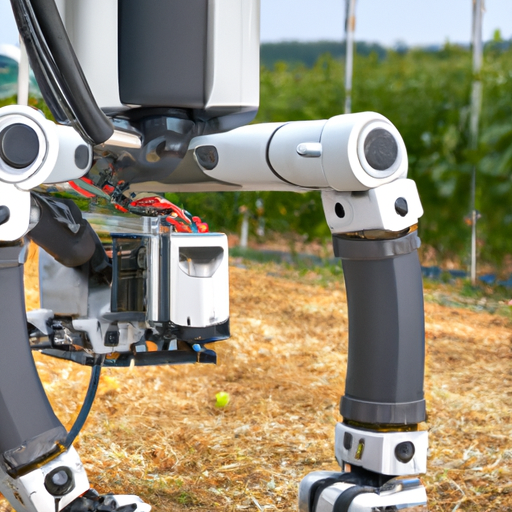
Cloud robotics refers to the use of cloud computing resources to assist in robotic tasks. It allows robots to share data, leverage powerful algorithms, and operate on scalable infrastructure, significantly enhancing their capabilities. This innovation is particularly significant in sectors such as manufacturing, logistics, healthcare, and even agriculture.

Advantages of Cloud Robotics

  • Enhanced Learning and Adaptability: Robots connected to the cloud can access vast amounts of data which allows them to learn from experiences in real-time and adapt to new environments quickly.
  • Reduced Costs: By utilizing cloud resources, companies can minimize upfront investments in hardware and maintenance, shifting to a more scalable operational model.
  • Improved Collaboration: Cloud robotics enables multiple robots to collaborate seamlessly, optimizing tasks and ensuring effective outcomes without human intervention.
  • Flexibility and Scalability: Organizations can easily scale their robotic operations up or down based on current demands, making cloud robotics a flexible solution for businesses.

Impact on Industries

Various industries are already seeing the benefits of cloud robotics:

  • Manufacturing: Automated assembly lines utilizing cloud robotics can improve production rates while maintaining high quality.
  • Logistics: Drones and autonomous vehicles are being deployed for efficient delivery operations, significantly reducing logistics costs and time.
  • Healthcare: Robots powered by cloud connectivity are assisting in surgery and patient care, improving overall healthcare outcomes.
  • Agriculture: Cloud-based systems are enabling farmers to deploy drones for crop monitoring and precision agriculture.

The Future of Cloud Robotics

As AI integration continues to grow, the future of cloud robotics is incredibly promising. With ongoing advancements in machine learning and cloud technology, we can expect smarter, more autonomous robots that can take on increasingly complex tasks.

In conclusion, cloud robotics is not just a technological advancement; it represents a paradigm shift in how industries operate. By harnessing the power of the cloud, businesses can enhance their operational efficiencies, reduce costs, and significantly boost productivity.

Stay tuned for more updates on how cloud robotics and related technologies are reshaping our future!

Revolutionizing Energy: The Latest Clean Tech Innovations

News

As the world grapples with climate change, clean tech innovations are at the forefront of the fight for a sustainable future. This blog post will explore the latest advancements in clean technology that are revolutionizing the way we generate, consume, and optimize energy.

1. Solar Power Enhancements

Solar energy continues to be a major player in the renewable sector. Recent advancements, such as perovskite solar cells, are significantly improving energy efficiency and reducing costs. These new materials provide better absorption of sunlight and can be produced using less energy than traditional silicon cells.

2. Wind Energy Technology

Wind energy is another area where clean tech innovations are making waves. New turbine designs, such as vertical-axis wind turbines (VAWTs), promise to capture wind energy more efficiently and can be installed in urban areas, expanding possibilities for renewable energy generation.

3. Energy Storage Solutions

As renewable energy sources grow, efficient energy storage becomes critical. Innovations in battery technology, including the development of solid-state batteries, not only improve battery life and safety but also enhance the capabilities of electric vehicles and renewable energy systems.

4. Smart Grid Technologies

Smart grid technologies are revolutionizing energy distribution. These innovations enable real-time monitoring and management of energy use, improving efficiency and reducing wastage. By integrating IoT and AI with traditional power systems, we can optimize energy consumption and minimize environmental impact.

5. Sustainable Transportation

The transportation sector is undergoing a clean tech revolution, with electric and hydrogen-fueled vehicles becoming increasingly popular. Recent developments in charging infrastructure and hydrogen production technologies are paving the way for a more sustainable transportation system.

Conclusion

The future of clean technology is bright, with innovative solutions emerging every day. From solar and wind energy to smart grids and sustainable transportation, these advancements are crucial in addressing the challenges posed by climate change and creating a more sustainable world for future generations.

Stay updated on more clean tech innovations by following our blog!

Revolutionizing Customer Experience with AI Technology

April 9, 2025 News

In today’s digital age, Artificial Intelligence (AI) is reshaping the way businesses interact with their customers. From intelligent chatbots to predictive analytics, AI technology is streamlining customer support and enabling businesses to provide a more personalized experience.

The Impact of AI on Customer Support

AI-driven tools are automating routine inquiries, allowing customer support teams to focus on more complex issues. Chatbots, powered by natural language processing, can handle multiple queries simultaneously, offering instant responses. This not only reduces response times but also increases customer satisfaction.

Enhancing Personalization

Personalization has become a crucial aspect of customer experience. AI algorithms analyze customer behavior, preferences, and purchase history to deliver tailored recommendations and offers. This level of customization not only drives sales but also fosters customer loyalty.

Predictive Analytics for Proactive Service

AI technologies leverage predictive analytics to anticipate customer needs. By analyzing data patterns, businesses can identify potential issues before they arise, offering proactive solutions that enhance the overall customer journey.

Case Studies: AI Success Stories

Several companies have successfully implemented AI to improve their customer experience. For example, leading e-commerce platforms utilize AI to create personalized shopping experiences, leading to increased conversion rates and customer retention.

Challenges and Considerations

While AI offers numerous benefits, businesses must navigate challenges such as data privacy and integration with existing systems. Building trust with customers around AI use is paramount for successful implementation.

Conclusion

As AI technology continues to evolve, its potential to transform customer experience is immense. Companies that embrace AI solutions will not only enhance their service offerings but also gain a competitive edge in the marketplace.

Stay ahead in the digital age by integrating AI in customer experience strategies today!

For more insights and updates on AI technology, subscribe to our newsletter.

The Rise of Digital Workforce Platforms: Transforming Industries

News

In today’s fast-paced digital world, digital workforce platforms are becoming essential tools for organizations seeking to optimize their operations. These innovative platforms enable businesses to manage their workforce more efficiently, offering solutions that integrate technology into the workforce management process.

What Are Digital Workforce Platforms?

Digital workforce platforms are software solutions that facilitate the management of employees, contractors, and freelancers within an organization. They provide a centralized location for hiring, monitoring performance, and streamlining communication among team members, whether they are working in-house or remotely.

Key Benefits of Digital Workforce Platforms

  • Enhanced Flexibility: As remote work becomes the norm, these platforms allow companies to easily adjust staffing levels and access a global talent pool.
  • Improved Efficiency: By automating routine tasks like scheduling and payroll, businesses can save time and reduce human error.
  • Data-Driven Insights: Many digital workforce platforms come equipped with analytics tools that help organizations make informed decisions based on real-time data.

Trends Driving the Adoption of Digital Workforce Platforms

Several key trends are contributing to the rapid adoption of digital workforce platforms:

  • The Increase of Remote Work: The pandemic has accelerated the shift towards remote work, making these platforms more relevant than ever.
  • Focus on Employee Experience: Companies are prioritizing tools that enhance employee engagement and productivity.
  • Technological Advancements: Continuous improvements in AI and automation are making workforce management more intuitive and efficient.

Conclusion

Digital workforce platforms are not just a trend; they are a cornerstone of modern workforce management. As businesses continue to embrace digital transformation, investing in these platforms will be crucial for enhancing operational efficiency and staying competitive in the evolving job market.

The Rise of Telemedicine: Transforming Healthcare Delivery in 2023

April 8, 2025 News

In recent years, telemedicine has seen an unprecedented surge, fundamentally changing the way healthcare is delivered. With advancements in medical technology and an increasing focus on patient convenience, telehealth has become a vital part of modern healthcare systems.

This surge in digital health adoption has been particularly notable in 2023. According to telehealth statistics, more than 50% of patients now prefer virtual consultations over in-person visits, highlighting a significant shift in patient behavior. Telemedicine not only offers convenience but also provides increased access to specialists, especially for those living in rural or underserved areas.

One of the driving factors behind this growth has been the COVID-19 pandemic, which accelerated the acceptance of virtual care solutions. Patients who were once hesitant to seek remote medical advice quickly recognized the benefits of consulting healthcare professionals from the safety of their homes.

Moreover, telemedicine platforms have evolved tremendously, offering features like remote monitoring, e-prescribing, and secure messaging. These innovations facilitate better management of chronic conditions and enhance overall patient engagement.

Benefits of Telemedicine

  • Accessibility: Patients can connect with healthcare providers anytime, anywhere.
  • Cost-Effectiveness: Reduces travel costs and time off work.
  • Improved Outcomes: Timely care leads to better health outcomes.

Looking ahead, the future of telemedicine appears bright. As technology continues to advance, we can expect further integration of artificial intelligence and machine learning into telehealth services. This transformation will lead to more personalized care, ultimately enhancing the patient experience.

In conclusion, telemedicine’s rapid growth in 2023 is reshaping healthcare delivery. As we move forward, it’s essential for both healthcare providers and patients to embrace these changes for a more accessible and efficient healthcare system.

Stay tuned for more insights on how digital health is reshaping the future of healthcare!

Understanding Neuromorphic Computing: The Future of Artificial Intelligence

Latest

As technology continues to advance at a rapid pace, neuromorphic computing emerges as a groundbreaking paradigm that aims to emulate the functioning of the human brain. This innovative approach to computing is set to transform the landscape of artificial intelligence (AI) and machine learning.

What is Neuromorphic Computing?

Neuromorphic computing is a branch of brain-inspired computing that designs computer systems to mimic neuro-biological architectures present in the nervous system. Unlike traditional computers that rely on binary code and centralized processing, neuromorphic systems utilize complex networks of artificial neurons and synapses to process information in a way that resembles human thought.

How Does Neuromorphic Computing Work?

At the core of neuromorphic computing are neural networks that operate through a series of interconnected nodes – similar to neurons in the brain. These networks are designed to handle parallel processing, enabling them to perform multiple tasks simultaneously and adapt to new information without explicit programming.

By implementing elements such as spiking neural networks (SNN), neuromorphic systems can communicate through short bursts of activity, much like the way biological neurons transmit signals. This leads to increased energy efficiency and processing speed, making them more suitable for real-time applications.

Applications of Neuromorphic Computing

Neuromorphic computing has numerous applications across various fields. Some notable examples include:

  • Autonomous Vehicles: Neuromorphic systems can enhance the decision-making capabilities of autonomous vehicles by enabling faster recognition and response to dynamic environments.
  • Robotics: Robots powered by neuromorphic technology can achieve advanced perception and interaction with their surroundings, leading to more intuitive human-robot collaboration.
  • Healthcare: Neuromorphic computing can facilitate diagnostic tools that learn from patient data in real-time, allowing for personalized treatment plans.

The Future of Neuromorphic Computing

The potential of neuromorphic computing is immense. As researchers and engineers continue to develop more sophisticated models, the technology could unlock solutions to complex problems in fields as diverse as computer vision, natural language processing, and cognitive computing.

While still in the early stages of development, the advancements in neuromorphic computing indicate a shift in how machines interpret and respond to information. By leveraging the principles of brain functionality, we stand on the brink of a new era in AI development.

Conclusion

In conclusion, neuromorphic computing represents a significant leap forward in our ability to create intelligent systems that learn and adapt like humans. As we explore this exciting frontier, the implications for the future of technology and artificial intelligence are profound.

Stay tuned to our blog for more updates on innovations in AI and computing technology!

The Rise of Sustainable Tech: Innovations for a Greener Future

April 7, 2025 Latest

Sustainable tech is rapidly emerging as a beacon of hope in the fight against climate change and environmental degradation. As more individuals, businesses, and governments recognize the urgent need for eco-friendly initiatives, innovations in this space are becoming increasingly vital. In this blog post, we will delve into the world of sustainable technology, highlighting its significance, some groundbreaking innovations, and its potential to transform our future.

What is Sustainable Tech?

Sustainable tech refers to technological innovations designed to minimize the negative environmental impact of human activities. This encompasses a wide range of industries and applications, from renewable energy solutions like solar and wind power to efficient waste management systems. By integrating sustainability into their operations, companies can not only reduce their carbon footprints but also create opportunities for economic growth and job creation.

Key Innovations in Sustainable Technology

  • Renewable Energy Sources: Solar panels, wind turbines, and hydropower systems are at the forefront of sustainable tech. These renewable energy sources not only provide clean power but also reduce reliance on fossil fuels, which are a significant contributor to greenhouse gas emissions.
  • Smart Agriculture: Innovations such as precision farming and vertical agriculture utilize technology to optimize crop yields while minimizing water usage and pesticide application. These methods contribute to sustainable food production systems that can feed a growing global population.
  • Eco-Friendly Transportation: Electric and hybrid vehicles, as well as public transportation innovations, are changing the way we think about mobility. By reducing emissions and operational costs, these technologies are paving the way for cleaner city environments.
  • Sustainable Materials: Advances in materials science are leading to the development of biodegradable plastics and sustainable packaging alternatives that reduce waste and environmental impact.

The Importance of Sustainable Tech

The importance of sustainable tech cannot be overstated. As the world faces the challenges of climate change, resource depletion, and pollution, sustainable technologies provide critical solutions. Not only do they help reduce environmental harm, but they also foster economic resilience and community well-being.

Moreover, the rise of conscious consumerism has led businesses to adopt sustainable practices. Companies that prioritize sustainability often gain a competitive advantage, appealing to environmentally-aware customers and investors.

Conclusion

As we move forward, the integration of sustainable tech into various sectors will be crucial for creating a greener future. By investing in eco-friendly innovations, we can pave the way for a world where technology and nature coexist harmoniously. The future is bright for sustainable tech, and it’s time for us all to embrace these changes for a better tomorrow.

Keywords: Sustainable Tech, Green Technology, Renewable Energy, Eco-friendly Innovations, Smart Technology

Author: Your Name

Revolutionizing Healthcare: The Role of AI in HealthTech Applications

News

As the digital revolution continues to progress, HealthTech applications are witnessing a profound transformation through the integration of artificial intelligence (AI). These innovations are not just mere enhancements; they are pivotal in reshaping the future of healthcare delivery.

Understanding HealthTech and AI

HealthTech refers to the use of technology, especially digital tools and applications, to improve any aspect of care or healthcare delivery. Meanwhile, AI involves the use of algorithms and software to simulate human cognition in the analysis of complex data. When combined, these technologies open a plethora of opportunities in the healthcare sector.

Enhanced Patient Care with AI

AI-driven healthcare applications can analyze vast amounts of patient data at unprecedented speeds, assisting medical professionals in generating more accurate diagnoses. For instance, AI-powered imaging tools can detect anomalies in radiology scans that might be missed by the human eye. This not only leads to timely interventions but also significantly improves patient outcomes.

Streamlining Healthcare Processes

Beyond diagnostics, AI is transforming administrative tasks. Intelligent chatbots and virtual assistants are increasingly used for patient engagement, appointment scheduling, and answering common queries—freeing up valuable time for healthcare professionals to focus on patient care.

Predictive Analytics for Better Resource Management

Another promising application of AI in HealthTech is predictive analytics. By analyzing trends and data patterns, AI can forecast patient admissions, predict outbreaks, and manage inventory levels more efficiently. Such insights not only save costs but also enhance the overall quality of care provided.

Challenges and Considerations

While the potential of AI in healthcare is immense, there are challenges that need to be addressed. Ethical concerns regarding data privacy and security, along with the need for regulatory frameworks to govern AI applications, are critical to ensure patient trust and safety.

Conclusion

The integration of AI into HealthTech applications holds great promise. From improving diagnosis accuracy to streamlining administrative processes and enhancing patient experiences, AI is revolutionizing healthcare as we know it. As technology continues to evolve, the future looks bright for efficient, patient-centered healthcare.

Stay tuned for more updates on how technology reshapes healthcare!

Keywords: AI, HealthTech, healthcare applications, artificial intelligence healthcare, digital health solutions

Understanding Smart Grids: The Future of Energy Management

April 6, 2025 News

The advent of smart grids is transforming the landscape of energy management. These advanced systems make use of digital technology to optimize the production, distribution, and consumption of electricity.

What are Smart Grids?

Smart grids are upgraded electricity networks that use smart grid technology to provide two-way communication between utility providers and consumers. This enhances the efficiency and reliability of electricity supply, allowing for real-time monitoring and management of energy resources.

The Benefits of Smart Grids

  • Integration of Renewable Energy: Smart grids facilitate the integration of renewable energy sources like solar and wind, reducing reliance on fossil fuels.
  • Energy Efficiency: By using data analytics and automation, smart grids improve energy efficiency, lowering costs for both consumers and providers.
  • Enhanced Reliability: These systems can quickly detect outages and reroute electricity, significantly reducing downtime.
  • Consumer Engagement: Smart grids empower consumers to monitor and adjust their energy use, leading to informed decisions that contribute to sustainability.

Challenges Ahead

Despite the advantages, there are challenges regarding smart grid implementation. Issues such as cybersecurity, the need for significant infrastructure investment, and regulatory hurdles can impede progress. Ensuring privacy and security of consumer data is also a critical concern that must be addressed.

The Future of Energy Management

As the world shifts towards a more sustainable energy future, smart grids will play a crucial role. They are not just a technological evolution but a necessity for modern electric utilities to meet growing demand while striving for environmental responsibility.

Conclusion

The transition to smart grid technology encapsulates a significant leap towards energy efficiency and sustainability, essential in combating climate change. As more nations invest in this technology, we can expect to see a greener and smarter energy landscape emerge.

For more articles on renewable energy and smart technology innovations, stay tuned!