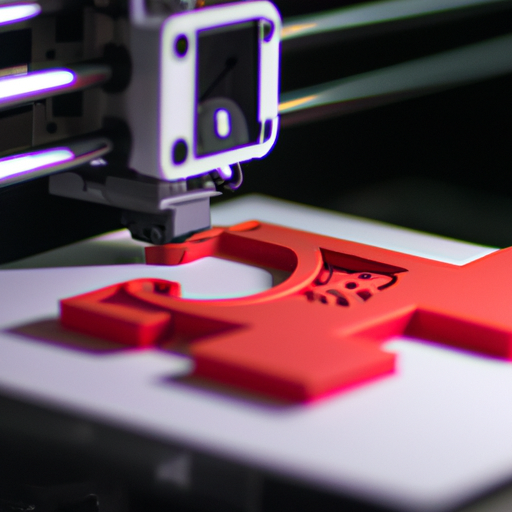
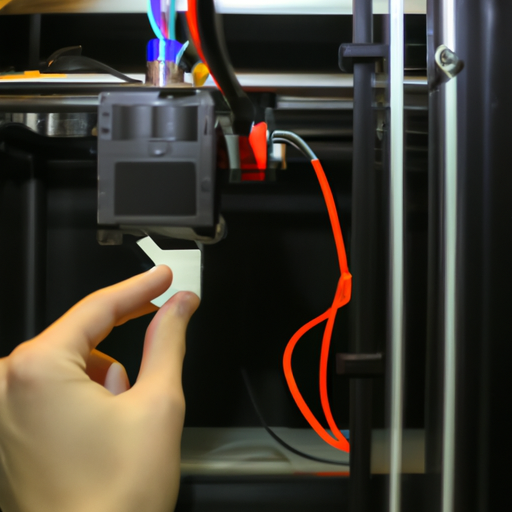
3D printing, also known as additive manufacturing, has become a game changer in the world of manufacturing. Its ability to create complex structures and prototypes efficiently has garnered attention across various industries. This blog post will delve into the benefits and applications of 3D printing, highlighting why it has become an essential technology for the future.
What is 3D Printing?
3D printing is a process that creates three-dimensional objects from a digital file. It involves layering materials such as plastic, resin, or metal to form intricate designs. Unlike traditional manufacturing methods, which often require extensive tooling and machinery, 3D printing enables rapid prototyping and customization with significantly less waste.
Key Benefits of 3D Printing
- Cost-Effective: 3D printing reduces material waste and minimizes costs associated with tooling.
- Speed: Prototyping and production timelines are significantly shortened, allowing businesses to bring products to market more rapidly.
- Customization: Manufacturers can easily customize products to meet specific needs and preferences, making the process more adaptable.
- Complex Designs: 3D printing allows for the creation of complex shapes and geometries that would be impossible with traditional manufacturing methods.
Applications of 3D Printing
The versatility of 3D printing has made it applicable across numerous fields:
- Aerospace: 3D printing is used to create lightweight parts that improve fuel efficiency and decrease costs.
- Healthcare: Custom prosthetics and dental devices are increasingly manufactured with 3D printing, tailored to individual patients.
- Automotive: Car manufacturers are experimenting with 3D-printed components that reduce weight and enhance performance.
- Home Goods: Designers use 3D printing to create unique, artistic home decor items that cater to consumer tastes.
The Future of 3D Printing
As technology advances, the potential applications for 3D printing seem limitless. Innovations in material science and printing techniques continue to emerge, suggesting a broader adoption in manufacturing, medicine, and even food industries. Staying ahead of the curve and understanding these advancements will equip businesses to leverage 3D printing’s capabilities effectively.
Conclusion
3D printing is not just a trend; it is reshaping how we think about manufacturing and design. By harnessing its capabilities, businesses can innovate faster, reduce costs, and create products tailored to consumers’ needs. The future is here, and it’s printed in 3D.