Tag Archives: 3D printing technology


Revolutionizing Manufacturing: The Latest Advances in 3D Printing Technology

February 1, 2026 News

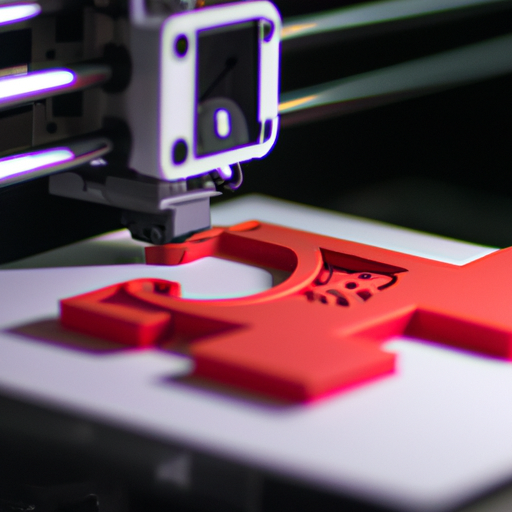
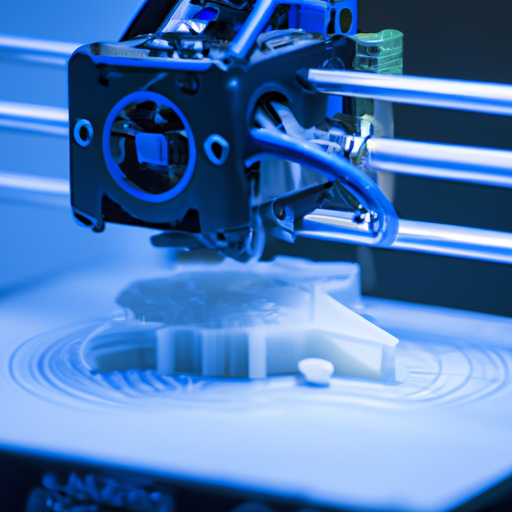
3D printing technology has revolutionized the manufacturing landscape, offering unparalleled customization and efficiency. With its roots in the 1980s, 3D printing, also known as additive manufacturing, has evolved rapidly and now encompasses a wide range of industries including healthcare, automotive, and aerospace.

Recent Innovations in 3D Printing

Today, several innovative advancements have emerged in 3D printing technology. One of the most notable is the development of bioprinting—a method utilized for creating tissue and organ structures using living cells. This groundbreaking technology has the potential to address the global shortage of organ transplants.

Another significant advancement is the introduction of new materials, such as metal powders and composite filaments, which enhance the strength and durability of printed objects. These materials expand the possibilities for industries that require robust and resilient components.

The Benefits of 3D Printing in Manufacturing

The rise of 3D printing presents numerous advantages over traditional manufacturing methods:

  • Customization: Products can be tailored to meet specific requirements, leading to greater customer satisfaction.
  • Reduced Waste: As an additive process, 3D printing minimizes excess material usage, making it more environmentally friendly.
  • Cost-Effectiveness: Lower production costs and shorter lead times significantly enhance competitiveness in the market.

Future Prospects for 3D Printing Technology

The future of 3D printing looks promising, with continued investment in research and development. The integration of artificial intelligence and automation into 3D printing technology will likely lead to smarter production systems that can further streamline operations.

As 3D printing keeps advancing, businesses across various sectors will need to stay informed and adapt to these changes to remain competitive. The potential for innovations, especially in sustainability and personalized manufacturing, seems limitless.

Conclusion

In conclusion, 3D printing is not just a trend; it’s a transformative technology that is shaping the future of manufacturing. As we witness these incredible innovations, the possibilities for what can be achieved through additive manufacturing continue to expand.

Stay tuned for more updates on the latest in 3D printing technology!
The Future of Manufacturing: Exploring the Impact of 3D Printing

February 23, 2025 Latest

Introduction

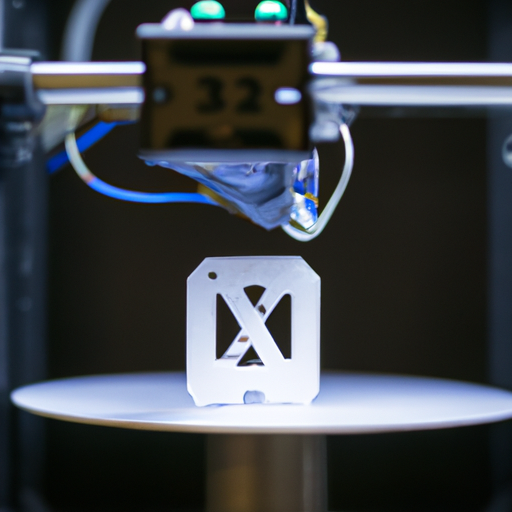
3D printing, also known as additive manufacturing, is rapidly transforming the landscape of industry and manufacturing. With its ability to create complex shapes and structures, 3D printing technology has gained traction in various sectors, from aerospace to healthcare. In this blog post, we will delve into the benefits and applications of 3D printing, and explore what the future holds for this groundbreaking technology.

What is 3D Printing?

3D printing is a manufacturing process that creates three-dimensional objects from a digital design by layering materials. Unlike traditional manufacturing methods which often involve subtractive techniques (cutting away material), 3D printing builds up an object layer by layer, allowing for unparalleled design freedom and material efficiency.

Benefits of 3D Printing

  • Reduced Waste: As an additive process, 3D printing minimizes material waste since objects are built layer by layer from only the necessary amount of material.
  • Cost-Effective Prototyping: Designers can create prototypes quickly and at a lower cost compared to traditional methods, leading to faster iterations and innovations.
  • Customization: 3D printing allows for high levels of customization, enabling businesses to produce personalized products that meet unique customer demands.
  • Complex Designs: The technology supports the creation of intricate designs that would be impossible or extremely costly to produce using traditional manufacturing techniques.

Applications of 3D Printing

3D printing has a wide range of applications across various industries:

  • Aerospace: Components of aircraft can be fabricated with lightweight materials, improving fuel efficiency and performance.
  • Healthcare: 3D printing is used to create custom prosthetics, dental implants, and even organs for transplantation.
  • Automotive: Car manufacturers utilize 3D printing for prototyping parts and producing lightweight components.
  • Fashion: Designers are harnessing 3D printing to create unique apparel and accessories, pushing the boundaries of traditional fashion design.

The Future of 3D Printing

As technology continues to evolve, the potential for 3D printing is limitless. We can expect advancements in materials science leading to stronger and more versatile materials, as well as improvements in printer capabilities. Furthermore, as industries increasingly adopt this technology, we will see its integration into supply chains, reducing lead times and enhancing efficiency.

In conclusion, 3D printing is not just a trend but a transformative technology shaping the future of manufacturing. With its myriad of benefits and applications, it is poised to drive innovation across industries and redefine how we think about production.

For more articles on cutting-edge technologies, subscribe to our newsletter or follow our blog!

Exploring the Wonders of 3D Printing: A Beginner’s Guide

January 30, 2025 Latest

3D printing has revolutionized the way we create and manufacture objects, making it an exciting field for both individuals and industries alike. In this guide, we will discuss the fundamentals of additive manufacturing, its applications, and the countless benefits it brings.

What is 3D Printing?

3D printing technology, often referred to as additive manufacturing, is the process of creating three-dimensional objects from a digital file. This is achieved by layering materials, such as plastic, metal, and even biological materials, one after the other until the object is fully formed.

Applications of 3D Printing

The versatility of 3D printing has led to its adoption across various industries:

  • Healthcare: From custom prosthetics to organ models for surgical planning, 3D printing is transforming patient care.
  • Aerospace: Aerospace companies use 3D printing to produce lightweight components that enhance fuel efficiency.
  • Automotive: Manufacturers are utilizing 3D printing for prototyping and producing intricate parts.
  • Fashion: Designers are leveraging 3D printing to create unique jewelry, clothing, and accessories.

Benefits of 3D Printing

The adoption of 3D printing technology offers numerous advantages:

  • Customization: Products can be tailored to meet specific needs and preferences.
  • Cost-Effectiveness: It significantly reduces material waste and manufacturing costs.
  • Rapid Prototyping: Ideas can be tested quickly, fostering innovation and speeding up product development.
  • Complex Designs: Create intricate designs that would be impossible to achieve with traditional manufacturing methods.

Conclusion

As we continue to explore the exciting realm of 3D printing, it is clear this technology holds immense potential for the future. Whether you’re a hobbyist, an entrepreneur, or a professional, understanding the fundamental concepts of 3D printing will open up new avenues for creativity and innovation.

Stay tuned for more insights and updates on 3D printing applications and trends in the industry. Join the conversation and discover how you can harness the power of 3D printing today!