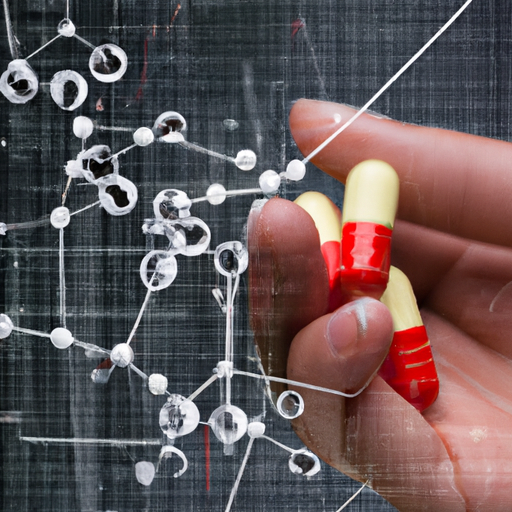
In the rapidly evolving landscape of healthcare, artificial intelligence (AI) is emerging as a groundbreaking force in drug discovery. Traditional methods of developing pharmaceuticals have been time-consuming and often costly, but AI is transforming this process into a quicker, more efficient journey. In this post, we will explore how AI technology is driving innovation in pharmaceutical research, optimizing workflows, and enhancing patient outcomes.
What is AI in Drug Discovery?
AI-driven drug discovery refers to the use of machine learning algorithms and data analytics to identify potential drug candidates more efficiently. By analyzing vast datasets, AI can predict how different chemical compounds will interact with biological systems, thereby accelerating the discovery of new drugs. This technology allows researchers to explore a much larger chemical space than has traditionally been feasible.
The Benefits of AI in Pharmaceutical Research
- Enhanced Speed and Efficiency: AI can process and analyze data exponentially faster than human researchers, significantly reducing the time it takes to identify and develop new drug candidates.
- Cost Reduction: By streamlining the research process and reducing the number of failed trials, AI helps cut down on the high costs associated with drug development.
- Improved Accuracy: AI algorithms are capable of spotting patterns and correlations in data that may not be immediately visible to human scientists, leading to more accurate predictions in drug efficacy and safety.
- Personalized Medicine: AI can help identify biomarkers and genetic variations, allowing for the development of tailored therapies that are more effective for specific patient populations.
Real-World Applications of AI in Drug Discovery
Several pharmaceutical companies are already reaping the benefits of AI in their drug discovery efforts:
- Atomwise: Using deep learning and computational models, Atomwise has developed a platform that predicts how different compounds will bind to target proteins, significantly speeding up the lead discovery phase.
- Insilico Medicine: This biotech company has leveraged AI to generate novel drug candidates and has successfully moved several AI-discovered drugs into preclinical stages.
- DeepMind: Known for its advancements in AI, DeepMind’s AlphaFold has revolutionized the understanding of protein folding, which is crucial for drug target identification.
Challenges and the Future of AI in Drug Discovery
Despite its potential, the integration of AI in drug discovery is not without challenges. Data privacy concerns, the need for high-quality datasets, and regulatory hurdles can hinder progress. Nonetheless, the future looks promising as regulatory bodies begin to adapt to new technologies and as collaborations between AI startups and pharmaceutical companies grow.
Conclusion
AI is not just a trend in drug discovery; it is a transformative technology that is reshaping the entire pharmaceutical landscape. By enhancing the speed and accuracy of drug development, AI has the potential to bring innovative therapies to market faster, ultimately improving patient care. As we continue to overcome the challenges associated with AI implementation, the pharmaceutical industry stands on the brink of a new era in healthcare innovation.
Stay tuned to our blog for more updates on the latest advancements in technology and healthcare.