Tag Archives: Augmented Reality


The Rapid Growth of Augmented Reality (AR) and Virtual Reality (VR) Technologies

April 13, 2026 News

In recent years, the world has witnessed a phenomenal rise in Augmented Reality (AR) and Virtual Reality (VR) technologies, transforming the way we interact with the digital landscape. These innovations are not just tech buzzwords; they are reshaping industries such as gaming, healthcare, education, and real estate.

Market Expansion and Adoption Rates

According to industry reports, the global AR and VR market is expected to soar to over $200 billion by 2025, indicating a compound annual growth rate (CAGR) of more than 30%. This growth is driven by increased consumer demand for immersive experiences and the proliferation of affordable VR headsets and AR-enabled devices.

Applications of AR and VR

AR and VR have found applications across various sectors. In the gaming industry, companies like Oculus and HTC Vive are pushing the boundaries of what players can experience. Meanwhile, in healthcare, AR is being used for training simulations for medical students and to enhance surgery precision. Educational institutions are also incorporating AR to make learning more interactive and engaging.

The Impact of COVID-19

The COVID-19 pandemic has significantly accelerated the adoption of AR and VR technologies. With physical distancing measures in place, businesses have turned to virtual solutions to connect with customers. VR meetings and AR applications for virtual tours have become increasingly popular, bridging the gap between remote work and collaboration.

Future Trends

As we look ahead, the integration of artificial intelligence (AI) with AR and VR is expected to create even more personalized and effective experiences. Additionally, advancements in 5G technology will enhance the capabilities of AR and VR by providing faster speeds and lower latency, leading to seamless experiences.

Conclusion

The future of Augmented Reality (AR) and Virtual Reality (VR) is bright, with continual advancements and growing consumer interest. As these technologies evolve, they promise to revolutionize our way of experiencing both the physical and digital worlds.

Stay tuned as we explore more on the innovative frontiers of AR and VR technologies and their applications in the coming years!

Exploring the Future of Mixed Reality Applications

April 10, 2026 Latest

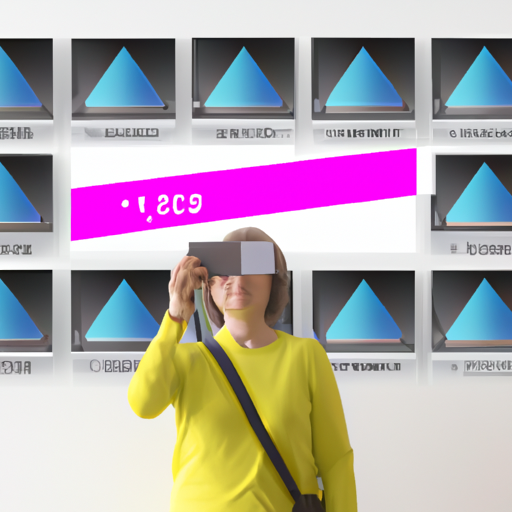
Mixed Reality (MR) technology represents the exciting intersection of augmented and virtual reality, offering immersive experiences that blend the real and digital worlds. It is rapidly transforming how we engage with content, learn, and interact with our surroundings. In this blog post, we will explore some of the most innovative Mixed Reality applications and their implications for various industries.

What is Mixed Reality?

Mixed Reality refers to the integration of physical and digital environments, allowing users to interact with real-world objects alongside virtual ones. Unlike Augmented Reality (AR), which overlays digital information on the physical world, or Virtual Reality (VR), which immerses users in fully digital environments, MR combines elements of both technologies.

Key Applications of Mixed Reality

  • Gaming: Mixed Reality is revolutionizing gaming experiences. Games like Pokemon Go blend real-world exploration with digital elements, creating an interactive playground for players.
  • Education: In educational settings, MR applications enable immersive learning experiences. Tools like Microsoft HoloLens allow students to explore complex subjects, making learning more engaging and effective.
  • Training and Simulation: Industries such as healthcare and aviation are utilizing MR for training purposes. Medical professionals can practice surgeries in a virtual setting, while pilots can simulate flight scenarios without leaving the ground.
  • Architecture and Design: Architects and designers use Mixed Reality to visualize projects before they are built. Clients can walk through a 3D model of their future home or office, providing valuable feedback and insights.
  • Retail: MR is reshaping the retail experience. Stores can integrate virtual try-on solutions, allowing customers to see how clothing fits without ever trying it on.

The Future of Mixed Reality

The potential for Mixed Reality applications is vast. As technology continues to evolve, we can expect to see more advanced solutions across various sectors. Improvements in hardware and software will enable more seamless and interactive experiences, making MR a staple in our daily lives.

Challenges and Considerations

Despite its benefits, Mixed Reality technology faces challenges such as privacy concerns, high development costs, and the need for robust hardware. Addressing these issues will be essential for widespread adoption and the future success of MR applications.

Conclusion

Mixed Reality is not just a trend; it’s a transformative technology with the potential to disrupt multiple industries. From enhancing gaming experiences to revolutionizing education and retail, MR offers unique opportunities for businesses and consumers alike. As we continue to explore this space, staying informed about new developments in Mixed Reality will be key to leveraging its full potential.

For more updates on MR applications and technology insights, be sure to follow our blog!

Exploring the Future of Spatial Computing: Key Concepts and Applications

April 5, 2026 Latest

In an era where technology continues to evolve at a breathtaking pace, spatial computing has emerged as a groundbreaking paradigm that integrates the digital and physical worlds. From augmented reality (AR) to virtual reality (VR) and the Internet of Things (IoT), spatial computing is redefining how we interact with our environment, enhance our experiences, and analyze data.

What is Spatial Computing?

Spatial computing refers to the use of digital technologies to create and manage visualizations of real-world environments. By leveraging 3D data, this field combines various technologies such as AR, VR, and mixed reality (MR) to allow users to engage with data in ways that mirror real-life experiences.

Key Components of Spatial Computing

  • 3D Mapping: High-accuracy 3D models represent real-world locations and objects, providing extensive data for applications in urban planning, architecture, and environmental management.
  • Visual Recognition: Using machine learning and AI to interpret visual data, enabling applications in security, retail, and navigation.
  • Wearable Devices: Equipment like smart glasses and VR headsets that help users visualize and interact with digital overlays in real time.
  • IoT Integration: Merging spatial computing with IoT devices to create smart environments, scalable monitoring systems, and significant real-time responses.

Applications of Spatial Computing

The applications of spatial computing span various sectors:

1. Healthcare

In healthcare, spatial computing facilitates enhanced surgical planning and training through AR simulations, enabling students and doctors to practice procedures in a risk-free environment.

2. Education

Education systems are increasingly incorporating spatial computing to provide interactive learning experiences, making complex subjects more digestible through visual tools.

3. Real Estate and Construction

AR and VR tools are revolutionizing the real estate industry by allowing clients to tour properties virtually and giving architects the necessary visualizations to refine design concepts.

4. Gaming and Entertainment

Gaming companies are at the forefront, developing immersive experiences that transform user engagement. Titles like Pokémon GO showcase how spatial computing can blend entertainment with real-world exploration.

The Future of Spatial Computing

As technology advances, the potential for spatial computing is limitless. We can expect more sophisticated applications, improved hardware, and a deeper integration of AI, making interactions more intuitive and beneficial.

In conclusion, spatial computing is not just a trend—it’s the future of how we interact with technology and the world around us. By continuing to innovate and expand its applications, we are set to witness a transformation that will redefine the boundaries of reality.

The Future of Spatial Computing: Revolutionizing the Digital Landscape

March 31, 2026 News

As technology continues to evolve at a breakneck pace, one of the most exciting advancements is spatial computing. This innovative field combines augmented reality (AR), virtual reality (VR), and the metaverse to create immersive experiences that go beyond traditional digital interactions. In this article, we delve into the current trends in spatial computing and its potential to transform various industries.

What is Spatial Computing?

Spatial computing refers to the integration of digital and physical worlds, allowing users to interact with digital information in real-world environments. By leveraging technologies like AR and VR, spatial computing enables seamless transitions between the physical and digital realms, fostering a new way of understanding and interacting with our surroundings.

Key Innovations in Spatial Computing

  • Augmented Reality: AR blurs the lines between the real and virtual worlds by overlaying digital information on top of physical objects. Applications range from navigation aids on smartphones to immersive gaming experiences.
  • Virtual Reality: VR offers users a fully immersive experience by simulating a completely different environment. This technology has found applications in training, education, and gaming.
  • The Metaverse: The metaverse is a collective virtual space created by the convergence of virtually enhanced physical reality and physically persistent virtual reality. It represents a new frontier for social interactions, commerce, and entertainment.

Impact on Industries

From healthcare to retail, spatial computing is revolutionizing how industries operate. In healthcare, for instance, AR can assist surgeons during procedures by projecting vital patient information in real-time. In retail, VR enables customers to try products virtually, enhancing their shopping experience.

Challenges and Opportunities

While the potential of spatial computing is immense, several challenges lie ahead, such as ensuring data privacy and building user-friendly interfaces. However, these challenges also present opportunities for innovation and growth within this sector.

Conclusion

As we stand at the cusp of a new technological revolution, spatial computing is set to redefine our digital experiences. By bridging the gap between the physical and digital worlds, it promises a future full of endless possibilities. For businesses and users alike, embracing this technology will be key to thriving in the next era of digital evolution.

Stay tuned to our blog for more insights on spatial computing and its impact on our future!

Exploring Immersive Gaming Experiences: The Future of Entertainment

March 18, 2026 Latest

In recent years, immersive gaming experiences have taken the world of entertainment by storm, creating captivating worlds that engage players on multiple sensory levels. With advancements in virtual reality (VR) and augmented reality (AR), the gaming landscape is evolving faster than ever.

What is Immersive Gaming?

Immersive gaming refers to games designed to create an engaging and believable environment, allowing players to feel as if they are part of the game world. Through the use of cutting-edge gaming technology, players navigate and interact with these digital realms in ways that traditional gaming cannot offer.

The Role of Virtual Reality and Augmented Reality

VR and AR are two primary technologies driving immersive gaming experiences. VR transports players to fully realized digital worlds using headsets, offering 360-degree views and responsive environments. In contrast, AR enhances the real world by overlaying digital information, creating an interactive experience that bridges reality and gaming.

Benefits of Immersive Gaming

  • Enhanced Engagement: Players are more emotionally invested in games that feel real, leading to longer play sessions and greater enjoyment.
  • Semi-Physical Interaction: Players can use their bodies to control movements, making gameplay more intuitive and enjoyable.
  • Social Experiences: Multiplayer immersive games offer significant social interactivity, allowing players to connect and compete with friends globally.

Popular Immersive Games on the Market

Several games illustrate the extraordinary potential of immersive gaming:

  • Beat Saber: A VR rhythm game that combines music and lightsaber mechanics for a thrilling exercise experience.
  • Pokémon GO: This AR game revolutionized mobile gaming by encouraging players to explore their surroundings to catch virtual creatures.
  • The Walking Dead: Saints & Sinners: A fully immersive VR RPG set in the zombie apocalypse, emphasizing player choice and survival tactics.

The Future of Immersive Gaming

As technology continues to advance, the future of immersive gaming looks brighter than ever. We can expect more realistic graphics, improved hardware, and even deeper levels of interaction. Artificial intelligence and machine learning will likely integrate into game design, creating dynamic environments that respond to player actions.

Conclusion

Immersive gaming experiences are not just a trend; they represent the next frontier in entertainment. As immersive gaming continues to grow and evolve, players can look forward to more engaging and realistic adventures that challenge the boundaries of traditional gameplay.

Are you ready to dive into the future of gaming? Embrace the immersive experience and see where your next adventure takes you!

Unlocking the Future: An Introduction to Spatial Computing

March 5, 2026 Latest

In an era where technology continues to evolve at a rapid pace, spatial computing has emerged as one of the most transformative innovations. Integrating the digital and physical worlds, spatial computing encompasses a variety of technologies, including augmented reality (AR), virtual reality (VR), and mixed reality (MR). In this blog post, we will explore what spatial computing is, its applications, and how it is shaping our future.

What is Spatial Computing?

Spatial computing is defined as the computational technology that enables users to interact with digital information in a spatial environment. It allows devices to perceive location and context in a three-dimensional space, leading to immersive and engaging user experiences. This concept is underpinned by advanced technologies such as:

  • Computer vision
  • Artificial Intelligence
  • 3D modeling
  • Sensor technology

The Role of Augmented Reality and Virtual Reality

At the forefront of spatial computing, AR and VR have paved the way for new forms of interaction that blend virtual elements with the real world. For example, AR applications like Pokémon GO overlay digital creatures onto real-world environments, while VR immerses users in entirely virtual spaces, allowing them to explore, play, and interact in ways previously thought impossible.

Applications Across Industries

Spatial computing has applications across numerous sectors, enhancing productivity and experience:

  • Healthcare: Surgeons can practice complex procedures using VR simulations, improving their skill sets.
  • Education: Students can engage with interactive 3D models, making learning more tangible and effective.
  • Architecture and Construction: Architects can visualize their designs on-site using AR, streamlining the construction process.
  • Retail: Customers can experience products through AR applications, leading to informed purchasing decisions.

Challenges and Future of Spatial Computing

While the potential of spatial computing is immense, several challenges must be addressed, including:

  • Technical limitations in hardware and software
  • Data privacy and security concerns
  • User accessibility and comfort

As technology advances, we can expect these obstacles to diminish, paving the way for more accessible and widespread adoption of spatial computing technologies.

Conclusion

Spatial computing represents a significant shift in how we interact with the digital world. By combining AR, VR, and MR, it is reshaping various industries and enhancing user experiences. As we look to the future, embracing and understanding spatial computing will be essential for businesses and individuals alike, ensuring they are equipped to thrive in this new frontier.

Are you ready to explore the limitless possibilities of spatial computing? Embrace the future today!

Unlocking the Future: A Comprehensive Guide to Spatial Computing

February 6, 2026 Latest

What is Spatial Computing?

Spatial computing is an innovative technological paradigm that merges the physical and digital worlds. It encompasses a variety of technologies, including augmented reality (AR), virtual reality (VR), and mixed reality (MR), allowing users to interact with both real and virtual objects in a cohesive environment.

Why is Spatial Computing Important?

As industries evolve, the need for immersive experiences becomes increasingly critical. Spatial computing provides a bridge for digital interaction and enhances how we engage with information—leading to transformative experiences across various sectors.

The Applications of Spatial Computing

Spatial computing is revolutionizing numerous fields:

  • Healthcare: AR applications help surgeons visualize complex structures during surgery, thus improving precision and outcomes.
  • Education: Interactive 3D models enhance learning engagement and retention rates for students.
  • Real Estate: Virtual property walkthroughs provide potential buyers with immersive experiences without the need to be physically present.
  • Manufacturing: Digital twins enable companies to create virtual replicas of physical systems for better analysis and predictive maintenance.

How Spatial Computing Works

Spatial computing utilizes multiple technologies to create a coherent interaction between the user and digital content. Devices such as smartphones, head-mounted displays (HMDs), and tablets facilitate these experiences through sensors, cameras, and advanced software that tracks user movements and environmental data.

The Future of Spatial Computing

As the field continues to evolve, advancements such as 3D mapping and better processing capabilities are set to enhance the efficacy and reach of spatial computing applications. The integration of AI will further empower machines to understand and interact with their environments autonomously.

In conclusion, spatial computing is not just a trend; it’s the future of how we will interface with the world around us. As it becomes more prevalent, embracing its technology will be essential for individuals and businesses looking to stay ahead.

Conclusion

To sum up, spatial computing encompasses various technologies driving significant advancements across multiple industries. As we continue to explore its potential, it’s clear that spatial computing will redefine the interaction between the physical and digital realms.

If you’re interested in the latest trends in technology, subscribe to our blog for more insights into spatial computing and beyond!

Revolutionizing Travel with AR Navigation Systems

January 18, 2026 Latest

In today’s fast-paced world, AR navigation systems are transforming the way we travel. Combining augmented reality (AR) technology with traditional navigation, these innovative systems provide users with enhanced and immersive experiences that were previously unimaginable. In this blog post, we will delve into how AR navigation systems work, their benefits, and the future of travel technology.

What are AR Navigation Systems?

AR navigation systems utilize augmented reality to overlay digital information onto the real world. Using smartphones or AR glasses, travelers can see directions and points of interest displayed directly on their screen as they navigate through cities and landscapes. This technology not only improves the user experience but also helps to keep travelers engaged and informed about their surroundings.

How AR Navigation Works

AR navigation systems typically use GPS, sensors, and cameras to establish the user’s location. The system then processes this information and blends it with real-time data to display relevant navigation paths, landmarks, and other pertinent details. For example, while walking through an unfamiliar city, users can point their device at a street and see arrows guiding them to their destination, along with useful information about nearby attractions.

The Benefits of AR Navigation Systems

  • Enhanced User Experience: AR navigation offers more than just directions; it provides contextual information that enriches the travel experience.
  • Improved Safety: By keeping eyes on the road, AR navigation minimizes the risks associated with distracted driving or walking.
  • Accessibility: This technology can assist individuals with disabilities by providing tailored navigation options.
  • Engaging Local Insight: Users can discover historical facts, restaurant reviews, and other details about their surroundings without needing to consult a guidebook or online reviews.

Top Examples of AR Navigation Systems

Several companies have made significant advancements in AR navigation technology. Here are a few notable examples:

  • Google Maps AR: Google Maps offers an AR walking mode that provides real-time navigation feedback overlaid on live camera feeds.
  • WayRay: This company specializes in holographic navigation systems that integrate AR into vehicles, providing drivers with a safer way to obtain crucial route information.
  • Zebra’s MotionWorks: Zebra Technologies has introduced AR navigation for enterprise environments to streamline logistics and organization.

The Future of AR Navigation Systems

As technology continues to evolve, the future of AR navigation systems looks promising. Integration with other technologies like AI and machine learning could provide even more personalized travel experiences. As the market grows, we can expect more innovative features and functionalities that will redefine how we explore our world.

Conclusion

AR navigation systems represent a bold step into the future of travel technology. By combining real-world navigation with digital enhancements, these systems not only simplify the way we explore but also enrich our understanding of the places we visit. As we continue to embrace new technologies, AR navigation is poised to become an essential tool for travelers everywhere.

Whether you are a tech-savvy traveler or someone just looking for an easier way to get around, AR navigation is worth exploring on your next adventure.

Augmented E-Commerce Experiences: The Future of Online Shopping

January 3, 2026 Latest

In the ever-evolving landscape of retail technology, augmented e-commerce experiences have emerged as a game-changer for online shopping. With the integration of augmented reality (AR) into e-commerce platforms, businesses can now provide customers with interactive and engaging shopping experiences that enhance satisfaction and increase conversions.

What is Augmented E-Commerce?

Augmented e-commerce combines online shopping with augmented reality technology, allowing customers to visualize products in a real-world context before making a purchase. This innovative approach improves product interaction and helps buyers make informed decisions. It transforms the traditional shopping experience into a dynamic journey where the possibilities are limitless.

Benefits of Augmented E-Commerce Experiences

  • Enhanced Product Visualization: Customers can view products in 3D, allowing them to see every angle and detail, which helps to reduce uncertainty about online purchases.
  • Increased Engagement: AR experiences capture customers’ attention, making shopping more enjoyable and interactive. This can lead to longer visit durations and improved brand loyalty.
  • Higher Conversion Rates: With better visualization and engagement, augmented e-commerce has been shown to increase conversion rates significantly, ultimately boosting sales.
  • Reduced Return Rates: By providing a better understanding of the product, AR can help mitigate the chances of returns due to unmet expectations.

Examples of Augmented E-Commerce in Action

Several brands are already leveraging augmented reality to enhance their e-commerce experiences:

  • IKEA: With the IKEA Place app, customers can visualize how furniture items fit and look in their living spaces using AR.
  • Sephora: The Sephora Virtual Artist app allows customers to try on makeup virtually, helping them choose the right products before purchasing.
  • Nike: Nike has implemented AR experiences that help customers customize their shoes and see them in a virtual environment before buying.

How to Implement Augmented E-Commerce Experiences

To successfully incorporate AR into your e-commerce strategy, consider the following steps:

  • Assess Customer Needs: Understand what products would benefit from AR visualizations based on your target audience.
  • Choose the Right Technology: Invest in AR platforms or tools that integrate seamlessly with your existing e-commerce site.
  • Test and Optimize: Before a full-scale launch, test the AR experience with a small audience to gather feedback and make improvements.

The Future of Shopping

As technology advances, augmented e-commerce will continue to evolve, providing consumers with exciting new ways to shop online. By embracing this technology, businesses can not only enhance the shopping experience but also stay competitive in a crowded market. The future of online shopping is bright, and augmented reality is leading the way.

Are you ready to elevate your e-commerce experience with augmented reality? Start exploring AR solutions today and watch your online sales soar!

Conclusion: Augmented e-commerce experiences are reshaping the way we shop online. By integrating augmented reality into business strategies, retailers can create engaging experiences that boost customer satisfaction and drive sales. Embrace the future of shopping with augmented e-commerce.

Unlocking the Future: The Power of Augmented Reality

December 31, 2025 Latest

In the rapidly evolving landscape of technology, Augmented Reality (AR) stands out as a powerful tool reshaping how we interact with the world around us. Unlike Virtual Reality, which immerses users in a completely different environment, AR overlays digital information onto the real world, offering a seamless blend of reality and technology.

What is Augmented Reality?

Augmented Reality is an interactive experience where computer-generated images, sounds, or other data enhance the perception of the real world. This technology utilizes devices like smartphones, tablets, and AR glasses to superimpose digital elements onto the user’s view, creating an enriched experience.

The Evolution of AR Technology

The journey of AR technology has been remarkable. From simple applications like Pokemon Go, which urged players to hunt virtual creatures in the real world, to sophisticated industrial applications, AR has evolved tremendously. It bridges the gap between the digital and physical realms, bringing a new dimension to how we perceive information and engage with our surroundings.

Applications of Augmented Reality

  • Healthcare: AR aids surgeons with overlaying critical data on patients during operations, enhancing precision and safety.
  • Education: Interactive learning experiences are now possible through AR, making complex subjects easier to understand and memorize.
  • Retail: Shoppers can use AR to visualize products in their own environment before making a purchase, drastically improving customer experience.
  • Gaming: AR has revolutionized the gaming industry, creating immersive experiences that encourage players to interact with their real-world surroundings.

Future Prospects of Augmented Reality

As AR technology continues to advance, its applications are boundless. The integration of AI with AR is paving the way for smarter systems that can predict user needs and personalize experiences. Companies are investing heavily in AR, which indicates a promising future where AR will play a pivotal role in various sectors.

Conclusion

The potential of Augmented Reality is immense, enhancing our experiences in work, education, and play. As we continue to explore and push the boundaries of this technology, the impact of AR on our day-to-day lives is set to expand significantly. Keep your eyes open; the future is here, and it’s augmented!


For more insights on Augmented Reality and the latest tech trends, subscribe to our blog!