
Tag Archives: benefits of autonomous vehicles


The Future of Transportation: Understanding Autonomous Vehicles

January 15, 2026 Latest

As technology rapidly evolves, the concept of autonomous vehicles has transitioned from science fiction to reality. Self-driving cars are not just a futuristic dream; they are becoming integral to our daily lives and the future of transportation.

What Are Autonomous Vehicles?

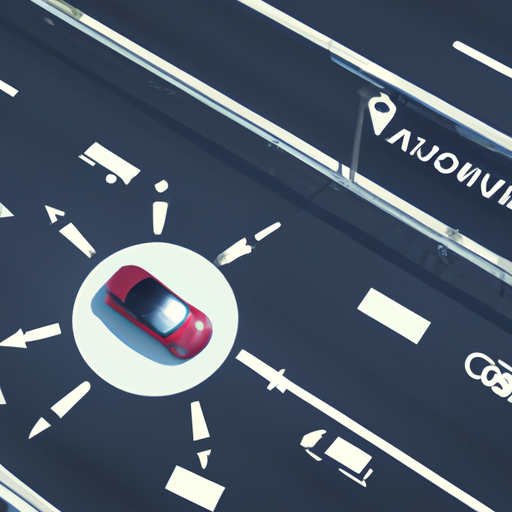
Autonomous vehicles, also known as self-driving cars, are equipped with advanced technologies that allow them to navigate and operate without human intervention. These vehicles utilize a combination of artificial intelligence (AI), sensors, cameras, and machine learning to understand their environment and make decisions.

How Do Autonomous Vehicles Work?

The core technology behind autonomous vehicles encompasses several key components:

  • Sensors: Lidar, radar, and cameras gather data about road conditions, obstacles, and surroundings.
  • AI and Machine Learning: Algorithms process the data collected by sensors, allowing vehicles to learn and adapt to different driving conditions.
  • Connectivity: Autonomous vehicles often communicate with other vehicles and infrastructure, sharing real-time data to enhance safety and efficiency.

Benefits of Autonomous Vehicles

Embracing autonomous vehicles offers numerous advantages that can revolutionize transportation:

  • Enhanced Safety: With AI-driven precision, self-driving cars have the potential to reduce accidents caused by human error.
  • Increased Efficiency: Autonomous vehicles can optimize traffic flow, reduce congestion, and minimize travel time.
  • Environmental Impact: Many autonomous vehicles are being designed as electric vehicles, contributing to lower emissions and a greener future.
  • Accessibility: Self-driving technology can provide mobility solutions for individuals unable to drive, such as the elderly and disabled.

The Future of Transportation

Experts predict that the future of transportation will be significantly influenced by autonomous technology. As manufacturers continue to innovate and regulations adapt to incorporate self-driving cars, we are likely to see a new era of mobility that prioritizes safety, efficiency, and connectivity.

Conclusion

In conclusion, autonomous vehicles are not just a trend; they are shaping the future of how we move. With advancements in technology and growing acceptance of self-driving cars, we can look forward to a transportation landscape that enhances safety, efficiency, and accessibility for all.

Are you ready to embrace the rise of autonomous vehicles? Share your thoughts on how you believe self-driving technology will change your life in the comments below!


The Future of Transportation: Autonomous Vehicles

October 19, 2025 Latest

As we move further into the 21st century, the concept of autonomous vehicles has transitioned from science fiction to reality. Self-driving cars, powered by advanced AI technology, are set to revolutionize the way we travel, offering numerous benefits and challenges along the way.

What are Autonomous Vehicles?

Autonomous vehicles, commonly known as self-driving cars, are equipped with sensors, cameras, and AI algorithms that allow them to navigate and control themselves without human intervention. The aim is to enhance road safety, reduce traffic congestion, and improve overall transportation efficiency.

Key Benefits of Autonomous Vehicles

  • Enhanced Safety: One of the primary advantages of autonomous vehicles is their potential to significantly reduce traffic accidents caused by human error.
  • Increased Accessibility: Self-driving cars can provide mobility solutions for individuals who cannot drive, such as the elderly and disabled.
  • Traffic Efficiency: With their ability to communicate with other vehicles, autonomous cars can optimize traffic flow, reducing congestion and journey times.
  • Environmental Benefits: Many autonomous vehicles are designed to be electric, contributing to a decrease in carbon emissions.

Challenges Ahead

Despite the numerous advantages, the widespread adoption of self-driving cars faces several challenges:

  • Regulatory Hurdles: Governments and regulatory bodies need to establish clear guidelines and safety regulations for autonomous vehicles.
  • Public Acceptance: Many people remain skeptical about the safety and reliability of self-driving technology.
  • Technological Limitations: While significant advancements have been made, challenges remain in complex driving environments.

The Road Ahead

The future of transportation is inevitably intertwined with autonomous vehicles. As technology continues to evolve, so too will the opportunities for integrating AI in vehicles to create safer, more efficient travel. With ongoing research and development, we can look forward to a world where self-driving cars become a common sight on our roads.

Conclusion

In conclusion, autonomous vehicles hold the promise to transform the way we think about transportation. The benefits they offer, from increased safety to environmental impact, make them a compelling solution for the challenges of modern travel. As we embrace this change, it’s vital to navigate the associated hurdles with careful consideration and innovation.

For more information on the future of transportation and updates on autonomous vehicles, stay tuned to our blog!