

Tag Archives: Brain-Computer Interface


Revolutionizing Communication: The Latest Innovations in Neural Interfaces

January 9, 2026 News

Published on October 20, 2023

In the ever-evolving field of neuroscience, neural interfaces have emerged as a groundbreaking technology that enables direct communication between the brain and external devices. These innovations, often referred to as brain-computer interfaces (BCIs), have the potential to revolutionize various industries, from healthcare to entertainment.

How Neural Interfaces Work

Neural interfaces utilize advanced algorithms and sensors to detect neural signals, translating them into actionable commands for digital devices. By bypassing traditional pathways, these interfaces open a new frontier in direct brain communication, enhancing accessibility and functionality for users.

Applications in Healthcare

One of the most promising applications of neural interfaces is in the healthcare sector. Patients with disabilities can regain autonomy through BCIs that allow them to control prosthetic limbs or communicate using thought alone. This technology is not only aiming to improve quality of life but also pushing the boundaries of rehabilitation methods.

Impact on Entertainment and Gaming

The gaming and entertainment industries are also exploring the potential of neural interfaces. Companies are developing immersive experiences that allow players to interact with games using their thoughts, providing unprecedented levels of engagement and personalization.

The Future of Neural Technologies

As research in neural engineering progresses, we could see neural interfaces become an integral part of daily life. With continued advancements, the dream of seamless communication between humans and machines may soon be a reality, opening doors to possibilities we are just beginning to imagine.
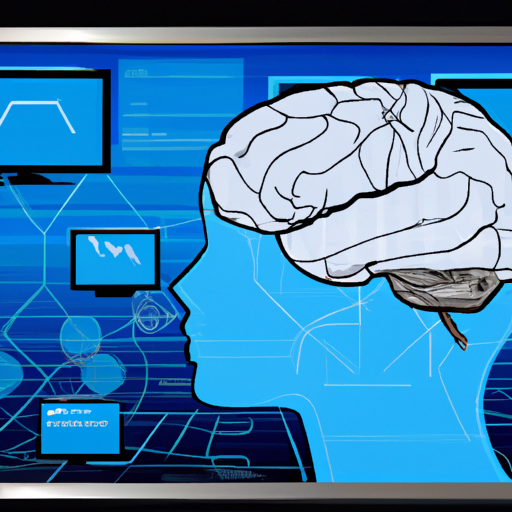

For more insights on neural technology and its applications, stay tuned for our upcoming articles.

Revolutionizing Communication: Breakthroughs in Brain-Computer Interface Development

March 1, 2025 News

The field of Brain-Computer Interface (BCI) technology is witnessing groundbreaking advancements that have the potential to revolutionize communication and assistive technology. A brain-computer interface allows individuals to control devices using their neural signals, creating unprecedented opportunities for those with disabilities and changing the landscape of human-computer interaction.

Recent Developments in Neural Interfaces

In recent years, researchers and tech companies have invested significantly in developing sophisticated neural interfaces that translate brain signals into actionable commands. Innovations in neurotechnology have led to enhanced accuracy and responsiveness in devices, enabling users to perform complex tasks with mere thought.

Applications in Assistive Technology

One of the most promising applications of BCI technology is in the realm of assistive devices for individuals with mobility impairments. The ability to control a computer or robotic arm through brain signals is not just theoretical anymore. Clinical trials are showing positive outcomes, paving the way for BCI systems to help those who have lost movement due to spinal cord injuries or neurological conditions.

Ethical Considerations and Future Prospects

As we advance towards more integrated brain-machine interfaces, ethical considerations arise regarding privacy, consent, and the potential for misuse of technology. It is crucial for developers to ensure that these brain-computer interfaces adhere to ethical standards while providing transformative benefits to users.

Conclusion

The ongoing development of brain-computer interfaces holds immense promise for the future of communication and interaction with technology. With ongoing research and innovation, we are closer than ever to bridging the gap between human thought and machine processing.

Stay tuned for further updates on the advancements in BCI and how it can enhance our lives in extraordinary ways.

For more information on the latest trends and breakthroughs in neurotechnology, visit our blog regularly.