Tag Archives: connected technology


Understanding the Internet of Things (IoT): Transforming Our Daily Lives

April 12, 2026 Latest

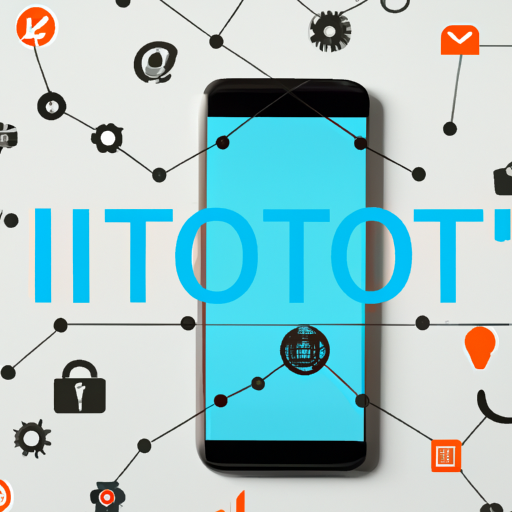
The Internet of Things (IoT) is revolutionizing how we interact with the world around us. By connecting everyday devices to the internet, IoT enables smarter living by enhancing efficiency, convenience, and accessibility. In this blog post, we will explore what IoT is, how it works, its applications, and the future of connected technology.

What is the Internet of Things?

The Internet of Things refers to a network of physical devices that are embedded with sensors, software, and other technologies, allowing them to connect and exchange data over the internet. This interconnectivity enables various devices, ranging from household appliances to industrial machinery, to communicate with each other and respond to external inputs.

How Does IoT Work?

At its core, IoT relies on four key components:

  • Devices and Sensors: These are the physical objects that collect and send data. Examples include smartphones, smart thermostats, connected cars, and wearable fitness trackers.
  • Connectivity: Devices need to connect to the internet to share data. This can be done via Wi-Fi, Bluetooth, cellular networks, or other communications protocols.
  • Data Processing: Once data is collected and transmitted, it needs to be processed and analyzed to provide meaningful insights. This often occurs in the cloud or on local servers.
  • User Interface: Finally, users interact with the IoT systems through various interfaces, such as mobile apps or dashboards, allowing them to monitor conditions and make adjustments.

Applications of IoT in Daily Life

The applications of IoT are vast and varied, impacting various aspects of everyday life:

  • Smart Homes: From smart thermostats and lighting systems to security cameras and home assistants, IoT enhances home automation and energy efficiency.
  • Healthcare: IoT devices such as wearable fitness trackers continuously monitor patients’ health metrics, allowing for real-time data collection and remote patient monitoring.
  • Industrial IoT: Manufacturing industries use IoT to optimize supply chains and monitor equipment health, significantly reducing operational costs and improving productivity.
  • Smart Cities: IoT helps in managing urban infrastructure, including traffic management systems and waste management, leading to improved urban living experiences.

The Future of IoT

As technology evolves, the Internet of Things is expected to expand exponentially. Innovations like 5G networks will enhance connectivity and speed, making it possible for even more devices to be connected. Moreover, advancements in artificial intelligence and machine learning will enable IoT systems to analyze data more intelligently, leading to predictive analytics and automation.

Conclusion

The Internet of Things is not just a technological trend; it is a paradigm shift that is reshaping every facet of our lives. As we move towards a more interconnected future, embracing IoT can lead to smarter decision-making, enhanced convenience, and overall improved quality of life.

Join us on this journey of exploration into the IoT universe, where the possibilities are endless!

For more insights on technology and innovations, subscribe to our blog!
Revolutionizing Industries: The Impact of Internet of Things (IoT) Integration

August 5, 2025 News

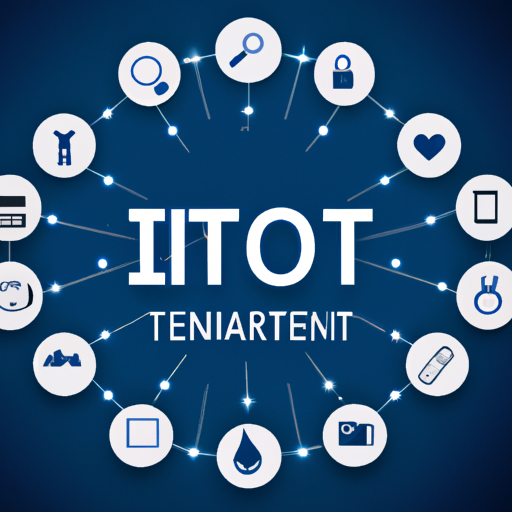
The Internet of Things (IoT) is reshaping industries across the globe, ushering in a new era of smart technology that connects devices, processes, and people like never before. As IoT integration becomes increasingly prevalent, businesses are discovering innovative ways to enhance productivity, streamline operations, and improve user experiences.

What is IoT Integration?

IoT integration involves connecting various smart devices and systems to enable seamless communication and data exchange. This technology facilitates real-time monitoring and control, leading to informed decision-making and optimized operational efficiency. From smart homes to industrial automation, the applications of IoT are vast and varied.

Transforming Key Industries

Different sectors are leveraging IoT solutions to achieve remarkable results:

  • Healthcare: IoT devices monitor patient health remotely, improving disease management and reducing hospital visits.
  • Manufacturing: Smart sensors on machinery predict failures before they occur, minimizing downtime and maintenance costs.
  • Transportation: Fleet management solutions utilize IoT data to optimize routes, reduce fuel consumption, and enhance safety.
  • Agriculture: IoT sensors monitor soil health and weather conditions, enabling precise irrigation and crop management.

Benefits of IoT Integration

Integrating IoT technologies offers numerous benefits, including:

  • Increased efficiency: Automation of routine tasks frees up employee time for strategic work.
  • Enhanced data analysis: Real-time data collection improves decision-making processes.
  • Cost savings: Predictive maintenance and improved resource management can lead to significant financial savings.
  • Better user experiences: Personalized services and proactive support enhance customer satisfaction.

The Future of IoT Integration

As IoT technologies continue to evolve, the integration of artificial intelligence (AI) and machine learning will further enhance the capabilities of connected devices. Businesses that embrace IoT will not only stay competitive but also drive innovation in their respective fields.

Conclusion

The integration of the Internet of Things into various industries is changing the way we live and work. By embracing IoT integration, organizations can unlock new levels of efficiency and innovation, paving the way for a smarter future.

Stay connected and informed about the latest trends in IoT integration by following our blog!

Exploring the Internet of Things (IoT): Transforming Our Lives

February 12, 2025 Latest

The Internet of Things (IoT) is revolutionizing the way we live and work, creating a seamless connection among various devices that enhances efficiency, productivity, and convenience. From smart home appliances to advanced industrial machines, the impact of IoT is profound and far-reaching.

What is IoT?

IoT refers to the network of physical objects that are embedded with sensors, software, and other technologies to connect and exchange data with other devices and systems over the internet. This interconnected architecture allows for real-time data collection and analysis, enabling smarter decisions.

Key Applications of IoT

  • Smart Homes: Devices such as smart thermostats, lights, and security systems can be controlled remotely, improving both security and energy efficiency.
  • Healthcare: Wearable devices monitor patient health, track vital signs, and even alert healthcare providers in case of anomalies.
  • Industrial IoT (IIoT): Factories leverage IoT for predictive maintenance, supply chain management, and enhanced safety protocols.
  • Smart Cities: Integration of IoT in city infrastructure aids in traffic management, waste management, and energy consumption optimization.
  • Connected Vehicles: Cars equipped with IoT technology can communicate with each other and with traffic management systems to enhance road safety and efficiency.

The Future of IoT

As IoT technology continues to evolve, its potential applications are virtually limitless. Advanced analytics, artificial intelligence, and machine learning are further propelling the capabilities of IoT systems.

However, with great power comes great responsibility. Security concerns and privacy issues related to data collection must be addressed to ensure user trust and safety.

Conclusion

The Internet of Things is transforming our lives in ways we could have never imagined. As we move towards an increasingly connected world, embracing IoT will be crucial for individuals and organizations alike, leveraging its power to drive innovation and efficiency.

Stay informed about the latest trends in IoT and prepare for a smarter future!