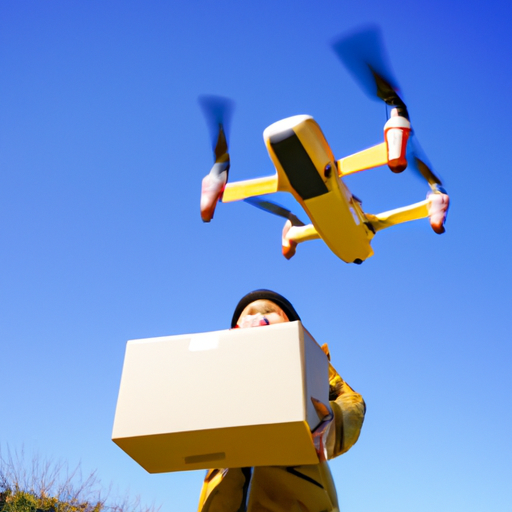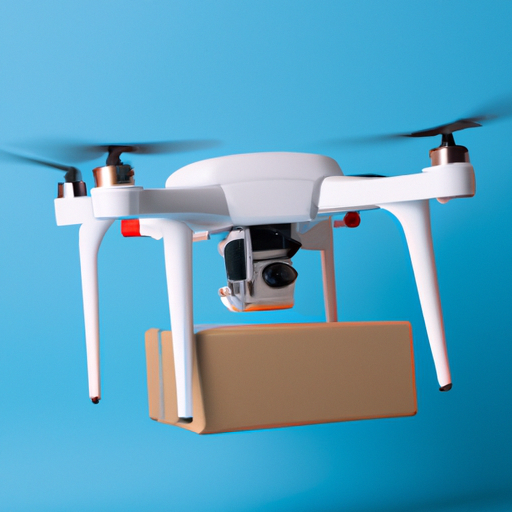

In recent years, the logistics industry has witnessed a monumental shift with the emergence of autonomous delivery systems. These innovative technologies, which include drone delivery and self-driving vehicles, are not just concepts of the future; they are increasingly becoming integral parts of the delivery landscape.
What are Autonomous Delivery Systems?
Autonomous delivery systems refer to automated methods of transporting goods from one location to another without the need for human intervention. This includes technologies like unmanned aerial vehicles (UAVs), commonly known as drones, and autonomous ground vehicles designed to navigate and transport packages efficiently.
The Impact on Last-Mile Delivery
The last-mile delivery segment of logistics is often considered the most crucial and expensive part of the supply chain. Autonomous delivery systems promise to reduce costs and improve delivery times drastically. For instance, drone delivery can bypass traffic and reach remote locations, facilitating quicker dispatch of goods.
Key Players in the Market
Major companies like Amazon, Google, and various startups are heavily investing in autonomous delivery technologies. Amazon’s Prime Air aims to deliver packages via drones, while companies like Nuro are innovating self-driving delivery vehicles to streamline the logistics process.
Challenges Ahead
Despite the advances, there are challenges that need to be addressed. Regulatory hurdles, safety concerns, and public acceptance play significant roles in the deployment of autonomous delivery systems. Governments and organizations are working together to create frameworks that ensure safety and efficiency in adoption.
The Future of Autonomous Delivery Systems
The future of logistics is clearly leaning towards automation. As technology continues to evolve and regulations adapt, the adoption of autonomous delivery systems will likely accelerate, reshaping how goods are delivered and setting new standards in the logistics industry.
Conclusion
The rise of autonomous delivery systems highlights a transformative era in logistics. As cities continue to grow, these technologies offer promising solutions to the challenges associated with last-mile delivery and beyond. Embracing these innovations will be key for businesses looking to thrive in a competitive market.