Tag Archives: Energy Management


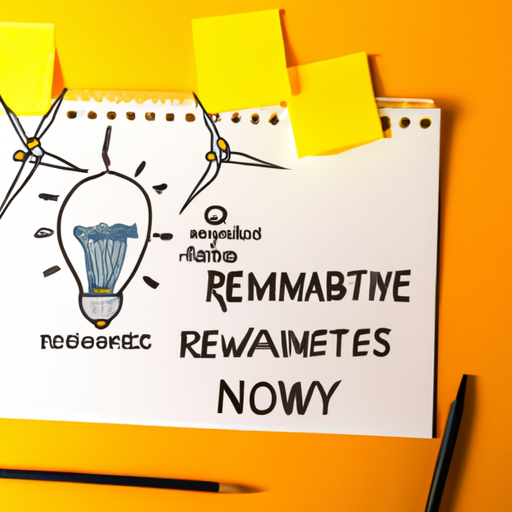
Unlocking the Future: The Role of Renewable Energy Management Systems

November 27, 2025 Latest

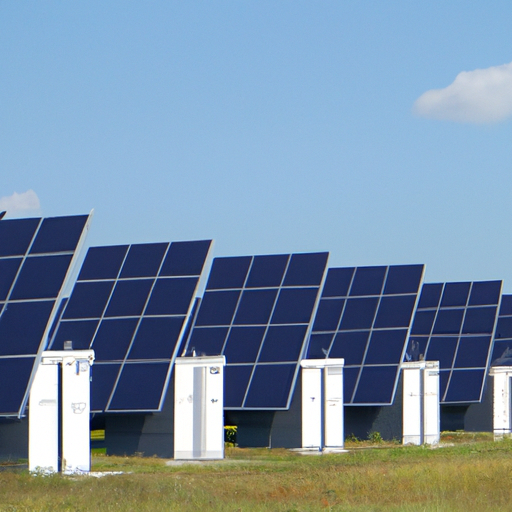
In today’s rapidly changing environment, the demand for sustainable energy solutions is at an all-time high. As nations strive to reduce their carbon footprint and transition to cleaner energy sources, Renewable Energy Management Systems (REMS) have emerged as a key player in this energy revolution.

What Are Renewable Energy Management Systems?

Renewable Energy Management Systems are integrated platforms designed to optimize the generation, distribution, and consumption of renewable energy resources. By leveraging advanced technologies, such as IoT, AI, and big data analytics, REMS enable energy providers and consumers to manage their energy usage more effectively.

Key Features of REMS

  • Real-time Monitoring: REMS provide live data analytics on energy production and consumption, allowing for quick and informed decision-making.
  • Forecasting: Advanced algorithms can predict future energy generation based on weather conditions, ensuring that energy supply meets demand efficiently.
  • Integration with Smart Grids: REMS facilitate seamless communication between various energy sources and consumers, optimizing the energy distribution network.
  • Data Analytics: Detailed insights into energy usage patterns help consumers reduce waste and enhance sustainability initiatives.

Benefits of Renewable Energy Management Systems

The implementation of REMS offers numerous benefits:

  1. Improved Efficiency: By optimizing the management of renewable energy, these systems help to reduce costs and energy wastage.
  2. Enhanced Sustainability: As we move away from fossil fuels, REMS play a critical role in ensuring that renewable resources are used to their full potential.
  3. Increased Reliability: With advanced monitoring and control capabilities, REMS enhance the reliability of energy systems, mitigating risks of outages.

Future Trends in Renewable Energy Management

Looking ahead, the future of REMS is promising. As technology evolves, we expect to see the integration of:

  • Artificial Intelligence for predictive maintenance
  • Blockchain technology for secure energy transactions
  • Drones and satellite technology for real-time energy resource assessment

Conclusion

Renewable Energy Management Systems are essential for a sustainable energy future. By enhancing efficiency, reliability, and integration of renewable resources, REMS are set to lead the charge toward a cleaner, greener planet. As we embrace this new technology, we are not just optimizing our energy management but also investing in a sustainable future for generations to come.

Understanding Smart Grids: The Future of Energy Management

April 6, 2025 News

The advent of smart grids is transforming the landscape of energy management. These advanced systems make use of digital technology to optimize the production, distribution, and consumption of electricity.

What are Smart Grids?

Smart grids are upgraded electricity networks that use smart grid technology to provide two-way communication between utility providers and consumers. This enhances the efficiency and reliability of electricity supply, allowing for real-time monitoring and management of energy resources.

The Benefits of Smart Grids

  • Integration of Renewable Energy: Smart grids facilitate the integration of renewable energy sources like solar and wind, reducing reliance on fossil fuels.
  • Energy Efficiency: By using data analytics and automation, smart grids improve energy efficiency, lowering costs for both consumers and providers.
  • Enhanced Reliability: These systems can quickly detect outages and reroute electricity, significantly reducing downtime.
  • Consumer Engagement: Smart grids empower consumers to monitor and adjust their energy use, leading to informed decisions that contribute to sustainability.

Challenges Ahead

Despite the advantages, there are challenges regarding smart grid implementation. Issues such as cybersecurity, the need for significant infrastructure investment, and regulatory hurdles can impede progress. Ensuring privacy and security of consumer data is also a critical concern that must be addressed.

The Future of Energy Management

As the world shifts towards a more sustainable energy future, smart grids will play a crucial role. They are not just a technological evolution but a necessity for modern electric utilities to meet growing demand while striving for environmental responsibility.

Conclusion

The transition to smart grid technology encapsulates a significant leap towards energy efficiency and sustainability, essential in combating climate change. As more nations invest in this technology, we can expect to see a greener and smarter energy landscape emerge.

For more articles on renewable energy and smart technology innovations, stay tuned!

Exploring the Future of Energy Storage Technologies

February 3, 2025 Latest

The shift towards renewable energy sources has sparked a revolution in energy storage technologies. With the growing demand for green energy solutions, innovative energy storage systems are becoming essential. This article delves into the latest advancements in energy storage technologies, their impact on the energy sector, and their importance in the transition to a sustainable future.

Understanding Energy Storage Technologies

Energy storage technologies play a crucial role in managing electricity supply and demand. They allow stored energy to be available for use when production does not meet consumption. The two primary categories of energy storage are:

  • Mechanical Storage: This includes pumped hydro storage and compressed air energy storage, which use mechanical processes to store energy.
  • Electrochemical Storage: Predominantly manifesting in battery technologies, this category includes lithium-ion, sodium-sulfur, and flow batteries.

Why Energy Storage is Essential for Renewable Energy

As countries across the globe strive to increase their reliance on renewable energy sources such as solar and wind, they encounter the challenge of intermittency—where energy generation doesn’t always align with demand. Here are a few reasons why energy storage is vital for the renewable energy landscape:

  • **Grid Stability**: Energy storage systems can provide grid stability by balancing supply and demand, thereby preventing blackouts.
  • **Optimizing Usage**: These technologies enable users to store excess energy produced during peak generation hours for use during low production times.
  • **Integration of Renewables**: Energy storage facilitates the integration of more renewable energy sources into the grid, promoting a cleaner and more sustainable energy future.

Innovations in Battery Technologies

The advancement of battery technologies is at the forefront of energy storage innovation. Here are some notable developments:

  • Sodium-ion Batteries: A promising alternative to lithium-ion batteries, with a potentially lower environmental impact and cost.
  • Solid-state Batteries: These batteries offer higher energy densities and improved safety compared to traditional lithium-ion batteries.
  • Flow Batteries: Ideal for large-scale energy storage, these batteries promise longer lifespans and scalability.

The Role of Energy Management Systems

Effective management of energy storage systems is crucial for maximizing their benefits. Energy Management Systems (EMS) facilitate real-time monitoring and control of energy flows, optimizing energy usage and minimizing waste.

Conclusion

As we move towards a more sustainable future, energy storage technologies will play an essential role in ensuring the reliability and efficiency of our energy systems. Continued innovation in battery technologies and energy management will pave the way for enhanced green energy solutions. Embracing these changes will not only contribute to environmental conservation but also support the global effort to combat climate change.

Call to Action

Are you interested in learning more about energy storage technologies? Subscribe to our newsletter for the latest updates and insights into the renewable energy sector!