

Tag Archives: future transportation


The Future of Transportation: A Dive into Autonomous Vehicles

April 20, 2026 News

As we move further into the 21st century, the concept of autonomous vehicles is becoming less of a futuristic dream and more of a reality. Major automotive manufacturers are investing heavily in self-driving cars, leveraging cutting-edge technology and artificial intelligence to make transportation safer and more efficient.

What Are Autonomous Vehicles?

Autonomous vehicles, also known as self-driving cars or driverless cars, are equipped with technology that allows them to navigate without human input. These vehicles rely on a combination of sensors, cameras, and AI algorithms to interpret their surroundings and make decisions in real-time.

Current Developments

In recent years, companies like Tesla, Waymo, and Uber have made significant strides in this field. For instance, Waymo has been testing its autonomous ride-hailing service in select markets, demonstrating the potential impact of these technologies on urban transportation.

The Benefits of Self-Driving Cars

  • Safety: One of the primary arguments for autonomous vehicles is their potential to reduce accidents caused by human error.
  • Efficiency: AI can optimize driving patterns, reducing traffic congestion and improving fuel efficiency.
  • Accessibility: Autonomous vehicles could offer transportation solutions for those unable to drive, such as the elderly or disabled.

Challenges Ahead

Despite the promising future, there are several challenges that need to be addressed before autonomous vehicles can become mainstream. Regulatory frameworks, public acceptance, and ethical considerations regarding AI decision-making in critical situations are all pivotal issues that developers and policymakers must navigate.

The Road Ahead

While we are still in the early stages of autonomous vehicle technology, the potential benefits are enormous. As technology continues to advance, it’s likely that we will see more AI vehicles on the road in the coming years, reshaping the landscape of our everyday transportation.

Stay tuned for more updates as we continue to follow the evolution of this transformative technology!
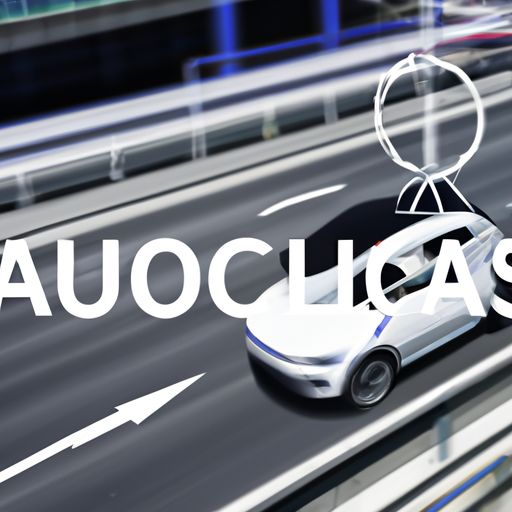

The Future of Transportation: Exploring Autonomous Vehicles

October 3, 2025 Latest

As we move deeper into the 21st century, the world of transportation is undergoing a significant transformation with the introduction of autonomous vehicles. Also known as self-driving cars, these innovative vehicles are set to revolutionize the way we think about travel and mobility.

What are Autonomous Vehicles?

Autonomous vehicles are equipped with advanced technology that allows them to navigate and operate without human intervention. They utilize a combination of sensors, radar, cameras, and artificial intelligence to perceive their surroundings and make driving decisions.

How Do Autonomous Vehicles Work?

The core technology behind autonomous vehicles involves several key components:

  • Sensor Technology: Lidar, cameras, and ultrasonic sensors detect obstacles, lane markings, and road signs.
  • AI and Machine Learning: Algorithms analyze data from sensors to make real-time driving decisions.
  • Connectivity: Vehicles communicate with each other and infrastructure to enhance safety and efficiency.

Benefits of Autonomous Vehicles

The shift towards autonomous vehicles offers numerous benefits:

  • Increased Safety: Self-driving cars can significantly reduce accidents caused by human error.
  • Reduced Traffic Congestion: Autonomous vehicles can optimize traffic flow by communicating with other vehicles.
  • Enhanced Mobility: They provide greater accessibility for individuals unable to drive, including the elderly and disabled.
  • Environmental Impact: Many autonomous vehicles are electric, contributing to reduced emissions.

The Future of Transportation

As research and development in driverless technology continue to progress, the future of transportation looks promising. Various companies are already testing autonomous vehicles in real-world conditions, and it’s only a matter of time before they become commonplace on our roads.

In conclusion, the rise of autonomous vehicles marks a pivotal moment in transportation history. With their potential to enhance safety, efficiency, and accessibility, self-driving cars are set to change the way we travel for generations to come.

Get Involved!

Are you excited about the future of transportation? Share your thoughts in the comments below and stay tuned for more updates on autonomous vehicle technology!

The Future of Transportation: Exploring Autonomous Vehicles

February 5, 2025 Latest

In recent years, the concept of autonomous vehicles has transitioned from science fiction to reality, sparking conversations about the future of transportation and its broader implications. Self-driving cars, equipped with advanced AI systems, are not just a technological marvel; they promise a profound shift in how we commute and interact with our environment.

What Are Autonomous Vehicles?

Autonomous vehicles (AVs) are cars or trucks that can drive themselves without human intervention. They utilize a combination of sensors, cameras, and artificial intelligence to navigate and make informed decisions on the road. With advancements in AI in vehicles, the automotive industry is rapidly evolving towards a future where cars will be able to communicate with each other, reducing accidents and enhancing traffic flow.

Benefits of Autonomous Driving

The potential benefits of self-driving cars are extensive:

  • Enhanced Safety: With human error accounting for the majority of road accidents, AVs have the potential to significantly reduce accidents by using real-time data and predictive algorithms.
  • Increased Efficiency: Autonomous vehicles can optimize driving patterns, reducing traffic congestion and improving fuel efficiency.
  • Accessibility: AVs can provide mobility solutions for the elderly and disabled, promoting independence and accessibility.
  • Reduced Emissions: By improving traffic flow and promoting shared rides, autonomous vehicles can contribute to lower greenhouse gas emissions.

Challenges Facing Autonomous Vehicles

Despite the apparent benefits, the journey towards widespread adoption of autonomous vehicles is not without its challenges:

  • Regulatory Hurdles: Governments need to establish regulations that promote the safe deployment of AVs while addressing liability issues.
  • Public Acceptance: Overcoming the skepticism of the public regarding safety and reliability is crucial for widespread adoption.
  • Technological Limitations: Current technology still faces challenges in complex environments, such as poor weather conditions or unpredictable human behavior.
  • Infrastructure Needs: Upgrading existing infrastructure to support AVs, such as smart traffic lights and vehicle-to-vehicle communication systems, is essential for optimal performance.

Conclusion: The Road Ahead

The road to autonomous vehicles is filled with both challenges and opportunities. As technology continues to advance, we can expect significant changes in how we approach transportation. Whether by increasing safety, promoting environmental sustainability, or enhancing accessibility, AVs hold the potential to revolutionize the way we live.

As we stand on the brink of this technological revolution, it’s clear that the future of transportation is not just about vehicles; it’s about creating a smarter, safer world for everyone.

Stay Informed

To keep up with the latest trends and developments in the field of autonomous vehicles, subscribe to our blog!