In recent years, gesture recognition has emerged as a groundbreaking technology that allows users to interact with devices using gestures instead of traditional input methods. This innovative approach enhances user experience in various applications, from gaming to virtual reality and smart home systems. In this blog post, we will delve into the fundamentals of gesture recognition, its applications, and what the future holds for this exciting technology.
What is Gesture Recognition?
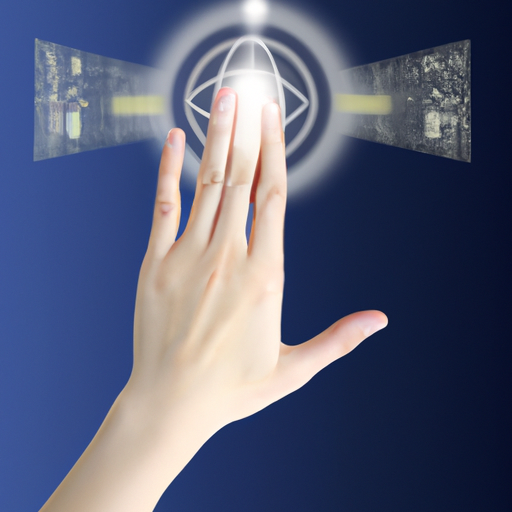
Gesture recognition refers to the technology that enables a system to interpret human gestures via mathematical algorithms. This can be done using various sensors, cameras, and machine learning techniques. Gesture control can range from simple commands, such as a wave of the hand, to complex movements captured by advanced computer vision systems.
How Does Gesture Recognition Work?
At its core, gesture recognition relies on detecting specific movements through machine learning models that analyze visual input. The process typically involves:
- Capturing a video feed from a camera or sensor.
- Processing the video to identify human figures.
- Tracking the joints and movements of the hands or other body parts.
- Translating these movements into commands that a computer or device can understand.
Applications of Gesture Control Technology
The potential applications of gesture recognition technology are vast and diverse. Here are some notable examples:
- Gaming: Immersive gaming experiences that allow players to control characters or navigate virtual environments using physical movements.
- Healthcare: Gesture control can facilitate hands-free operation of medical devices, improving hygiene and efficiency during surgeries or patient consultations.
- Smart Homes: Controlling lighting, appliances, and entertainment systems with simple gestures enhances convenience and accessibility.
- Automotive: Gesture recognition allows drivers to control functions like navigation and audio without taking their hands off the wheel.
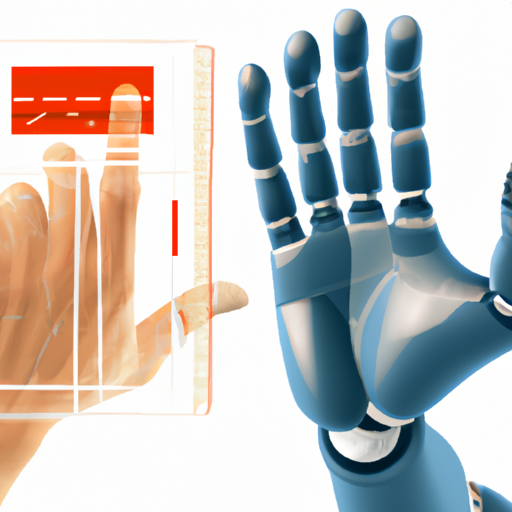
- Robotics: In robotics, gesture recognition can enable more intuitive communication between humans and robots.
The Future of Gesture Recognition
As technology continues to evolve, the future of gesture recognition looks promising. Advances in artificial intelligence and computer vision are expected to provide even more precise and responsive gesture recognition systems. Furthermore, integration with augmented reality (AR) and virtual reality (VR) platforms will likely create immersive environments where users can interact in real-time.
Conclusion
Gesture recognition represents a significant leap forward in how we interface with technology. By eliminating the need for conventional input devices, gesture control enhances usability and accessibility across numerous domains. As research and development in this field progress, we can expect to see even more transformative applications and innovations that enrich our daily lives.
Stay tuned for more insights into the evolving world of technology and how it impacts us! If you have any questions or thoughts about gesture recognition, feel free to share them in the comments below.