
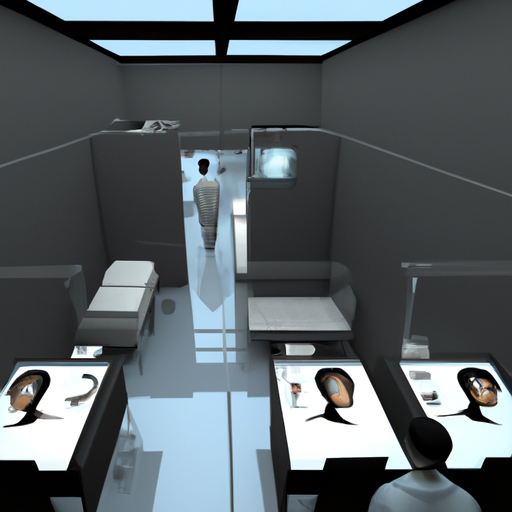
In recent years, 3D visualization has revolutionized various industries, and healthcare is no exception. This innovative technology has transformed how medical professionals approach patient care, diagnostics, and surgical procedures. In this blog post, we will explore how 3D visualization in healthcare improves patient outcomes, enhances medical imaging, and facilitates effective surgical planning.
What is 3D Visualization?
3D visualization refers to the process of creating graphical representations of medical data in three dimensions. Using advanced imaging techniques like CT scans, MRIs, and ultrasounds, healthcare providers can create accurate 3D models of a patient’s anatomy. These models provide great detail and insight, aiding in informed decision-making for treatment.
1. Improved Medical Imaging
Traditional 2D images can often obscure important anatomical details. With 3D visualization, clinicians can view complex structures more clearly. In areas such as radiology, 3D imaging allows radiologists to analyze tissues and organs in detail, leading to more accurate diagnoses and targeted treatment plans.
2. Enhanced Surgical Planning
Surgeons are now able to utilize 3D models of patients’ anatomy to plan surgeries more effectively. By visualizing the surgical site in three dimensions, they can anticipate challenges and strategize their approach. This preparation reduces surgery times and minimizes risks, ultimately leading to better patient outcomes.
3. Improved Patient Communication
Explaining complex medical issues to patients can often be challenging. 3D visualization serves as an invaluable communication tool, allowing healthcare providers to show patients precisely what is happening inside their bodies. This not only helps in building trust but also aids in obtaining informed consent, as patients can better understand the procedures they will undergo.
The Future of 3D Visualization in Healthcare
As technology advances, we can expect further integration of 3D visualization in healthcare. Virtual reality (VR) and augmented reality (AR) are emerging as powerful tools that will complement 3D models, allowing for immersive simulations that can train medical professionals and provide procedural overviews for patients.
Conclusion
The incorporation of 3D visualization in healthcare offers numerous benefits, from enhancing medical imaging to streamlining surgical procedures and improving patient education. As the healthcare industry continues to evolve, embracing these technologies will be vital in improving patient care and outcomes.
To learn more about how 3D visualization can impact healthcare, contact us today!