
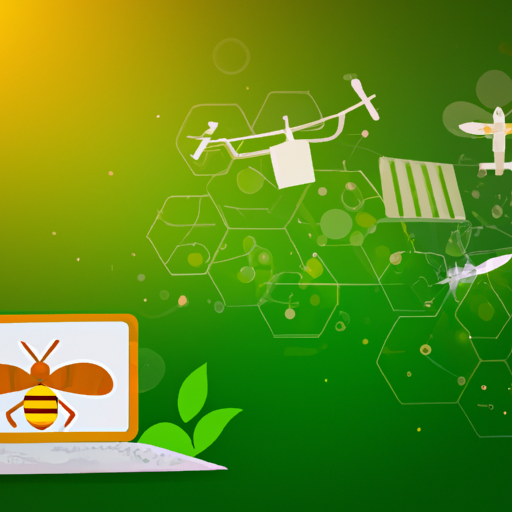
As the global population continues to rise, the demand for food is increasing at an unprecedented rate. Traditional farming methods are often no longer sufficient to meet these demands. This is where smart agriculture comes into play, revolutionizing how we grow and manage our crops.
What is Smart Agriculture?
Smart agriculture refers to the integration of advanced technologies such as the Internet of Things (IoT), artificial intelligence (AI), and big data analytics into farming practices. It aims to optimize field-level management regarding crop farming using a range of technologies.
Key Technologies in Smart Agriculture
- IoT Sensors: These devices collect real-time data about soil moisture, temperature, and crop health. By analyzing this data, farmers can make informed decisions about irrigation and fertilization.
- Drones: Equipped with cameras and sensors, drones are used for aerial imaging and monitoring crop health. They help in identifying pest infestations and nutritional deficiencies quickly.
- AI and Machine Learning: These technologies analyze vast amounts of data gathered from various sources to predict yields, improve crop selection, and enhance resource allocation.
Benefits of Smart Agriculture
- Increased Efficiency: By utilizing precise data, farmers can optimize every aspect of their operations, from planting to harvesting, leading to enhanced productivity.
- Resource Conservation: Smart agriculture techniques enable farmers to use water, fertilizers, and pesticides more efficiently, thus promoting sustainable farming practices.
- Higher Yields: With data-driven decision-making, farmers can increase their yields while maintaining the quality of their produce.
Challenges in Implementing Smart Agriculture
Despite its advantages, the adoption of smart agriculture faces several obstacles including:
- High initial costs for technology investments.
- Need for technical training for farmers.
- Access to reliable internet in rural areas.
The Future of Farming
As technology continues to evolve, the agriculture sector is poised for significant transformation. Smart agriculture not only promises to increase the efficiency and productivity of farming but also plays a crucial role in ensuring food security for the growing global population.
In conclusion, embracing smart agriculture is essential for the future of farming. By integrating innovative technologies, farmers can overcome challenges, maximize resources, and contribute to a sustainable food system.
Stay tuned for more insights into how technology continues to shape agriculture and improve our food systems!