
Tag Archives: user experience


The Evolution of Context-Aware Computing: Trends and Innovations

April 21, 2026 News

As technology continues to advance, context-aware computing stands out as a pivotal development, shaping how devices interact with us and each other. This computing paradigm utilizes information about the user’s context—such as location, time, and preferences—to enhance the user experience across various platforms.

What is Context-Aware Computing?

Context-aware computing involves systems that leverage contextual information to make intelligent decisions, providing personalized experiences for users. It taps into data from various sensors, devices, and user interactions, allowing for seamless integration into everyday activities. From smartphones that adjust settings based on location to smart home systems that learn user habits, context-aware computing is revolutionizing the technological landscape.

The Role of IoT and Artificial Intelligence

The integration of Internet of Things (IoT) devices is driving the growth of context-aware computing. With more devices connecting to the internet, there is an increasing demand for smart solutions that can interpret contextual data. Artificial intelligence (AI) plays a crucial role here, enabling machines to analyze vast amounts of data and improve over time. Machine learning algorithms are particularly effective in enhancing the capabilities of context-aware systems.

Trends Shaping the Future of Context-Aware Computing

  • Enhanced User Privacy: As devices become smarter, the concern for user privacy grows. The future of context-aware computing will focus on building systems that prioritize data security and user consent.
  • Increased Personalization: Users can expect more tailored experiences as context-aware systems become better at understanding individual preferences and habits.
  • Interoperability of Devices: Future context-aware applications will increasingly leverage the interoperability of various smart devices, creating a more cohesive smart ecosystem.

Impact on User Experience

One of the significant advantages of context-aware computing is its potential to enhance user experience. By understanding user needs and providing relevant information at the right time, these systems significantly improve service efficiency and satisfaction. For instance, navigation applications that adjust routes based on real-time traffic context minimize delays and enhance travel experiences.

Conclusion

In conclusion, the realm of context-aware computing is ripe with opportunities and innovations. As we move forward, the synergy between IoT, AI, and machine learning will redefine how humans interact with technology, paving the way for smarter, more responsive devices that cater to our needs.

Stay tuned as we continue to explore advancements in this dynamic field and their implications for the future!

AI-Driven Personalization: Transforming User Experiences

April 10, 2026 News

In today’s digital landscape, AI-driven personalization is emerging as a game-changer for businesses aiming to create tailored experiences for their users. By leveraging machine learning algorithms and data analysis, companies can now deliver content and services that resonate with individual user preferences, boosting customer engagement and satisfaction.

The Importance of Personalization

Consumers today are inundated with information, making it critical for brands to stand out by offering personalized experiences. With AI’s ability to analyze vast amounts of data, businesses can segment their audiences and create targeted marketing strategies that speak directly to their customers’ needs.

How AI Personalization Works

AI personalization utilizes algorithms to assess user behaviors, preferences, and demographics. This data-driven approach enables brands to:

  • Curate personalized recommendations based on past purchases or browsing history.
  • Utilize chatbots to provide real-time customer support tailored to individual inquiries.
  • Implement targeted advertising that reaches the right audience at the right time.

Benefits of AI-Driven Personalization

The advantages of adopting AI-driven personalization include:

  • Enhanced user experience: Personalized experiences lead to higher user satisfaction and loyalty.
  • Increased conversion rates: Customers are more likely to engage and purchase from experiences that feel tailored to them.
  • Better resource allocation: AI helps identify the most effective marketing channels and strategies, maximizing ROI.

Challenges and Considerations

Despite its benefits, AI personalization also comes with challenges, including data privacy concerns and the need for robust data management strategies. Brands must navigate these issues carefully to build trust with their users while delivering personalized experiences.

The Future of AI-Driven Personalization

As technologies advance, the potential for AI-driven personalization is only set to expand. Innovations in machine learning and natural language processing will further enhance how businesses interact with users, creating more dynamic and responsive engagement strategies.

Conclusion

AI-driven personalization is not just a trend; it is a fundamental shift in how businesses connect with their customers. By embracing this technology, companies can enhance user experiences, increase loyalty, and ultimately drive growth.

For more information on implementing AI-driven strategies, stay tuned to our blog!

Exploring Advanced Human-Computer Interaction: Bridging the Gap between Humans and Technology

Latest

In the rapidly evolving world of technology, Advanced Human-Computer Interaction (HCI) has emerged as a crucial field that seeks to improve how we interact with computers. As innovations such as artificial intelligence, virtual reality, and natural language processing become more prevalent, the boundaries of traditional HCI are being pushed further than ever before.

What is Advanced HCI?

Advanced HCI focuses on the design and evaluation of interactive systems that facilitate effective communication between humans and machines. This can encompass a range of technologies from touch screens and voice recognition systems to gestures and even emotional recognition software. The aim is to create systems that not only meet user needs but also anticipate them, ensuring a seamless interaction experience.

Key Trends Shaping Advanced HCI

  • Artificial Intelligence: AI is revolutionizing HCI by enabling machines to learn and adapt based on user interactions. For instance, intelligent personal assistants like Siri and Alexa are prime examples of how AI can enhance user experience.
  • Augmented Reality: AR overlays digital information onto the real world, creating immersive experiences that redefine how users perceive and interact with their environment.
  • Gesture and Touchless Interfaces: Technologies that recognize gestures or eye movement are paving the way for more intuitive interactions, especially in sensitive environments like surgical rooms or virtual environments.
  • Inclusive Design: As technology becomes more integral to our lives, ensuring accessibility for users with disabilities is paramount. Advanced HCI incorporates design principles that accommodate a wider range of abilities and preferences.

Enhancing User Experience Through Advanced HCI

The integration of advanced HCI principles is not just beneficial for high tech applications; they can greatly enhance the user experiences of everyday devices. Simple changes like voice commands in smartphones or the integration of AI chatbots in customer service can significantly improve user satisfaction and efficiency.

Challenges in Advanced HCI

Despite its potential, Advanced HCI also faces challenges, including:

  • User Privacy: As systems become more capable of understanding user behavior, ensuring the privacy and security of personal data is more important than ever.
  • Complexity in Design: Striking the right balance between sophisticated interfaces and user-friendliness remains a key challenge for designers.
  • Ethical Considerations: As technology becomes more integrated with daily life, considerations about ethical AI usage and the implications of automated decision-making must be addressed.

Conclusion

As we march forward into an era where technology is ubiquitous, Advanced Human-Computer Interaction will play a pivotal role in shaping our experiences and interactions with the digital world. By focusing on the user, harnessing the power of AI, and embracing innovative design principles, we can create systems that are not just functional but also deeply engaging and human-centric.

By understanding and implementing the latest advancements in HCI, companies can improve their products and services, ensuring they not only meet but exceed user expectations in an increasingly digital age.

Revolutionizing Technology: The Rise of Voice-Activated Interfaces

February 1, 2026 News

In today’s fast-paced digital landscape, voice-activated interfaces are rapidly gaining traction, transforming the way we interact with technology. With the increasing popularity of virtual assistants like Amazon Alexa, Google Assistant, and Apple’s Siri, consumers are embracing hands-free communication to control devices, access information, and enhance productivity.

The Impact of Voice Technology

Voice technology is designed to make interactions more intuitive and seamless. As artificial intelligence (AI) continues to evolve, these interfaces are becoming more sophisticated, allowing users to issue commands and receive responses with unprecedented accuracy. From controlling smart home devices to integrating with mobile applications, voice-activated interfaces are redefining user experiences across various sectors.

Enhancing Usability and Accessibility

One of the standout benefits of voice-activated interfaces is their ability to improve accessibility. Users with disabilities or those who find traditional interfaces challenging can now navigate technology more easily. This enhancement in usability not only caters to a broader audience but also stands in line with inclusive design principles, making technology accessible to everyone.

The Future of Interaction

As we look toward the future, the integration of voice-activated interfaces is projected to become even more prevalent. Industries are exploring innovative applications, from voice ordering in restaurants to interactive voice menus in customer service, all aimed at streamlining user engagement.

Conclusion

In conclusion, the rise of voice-activated interfaces is a pivotal moment in the evolution of technology. Addressing both functionality and accessibility, these systems are set to enhance daily life while reshaping our interaction with devices. As voice technology continues to advance, we can expect exciting developments that will push the boundaries of how we live and work.

Stay tuned as we continue to explore the latest trends and advancements in the world of voice-activated interfaces!

For more insights on technology and innovation, follow our blog!

Exploring the Future of Ambient Computing: A New Era of Seamless Technology

January 27, 2026 News

In the rapidly evolving landscape of technology, ambient computing is emerging as a revolutionary concept that aims to create a seamless integration of digital tools into our daily lives. This shift marks a significant transformation in how we interact with our devices and the world around us.

What is Ambient Computing?

Ambient computing, often referred to as pervasive computing, is a paradigm where technology is seamlessly integrated into the environment. It enables devices to perceive and respond to user needs without the need for direct interaction. This is achieved through a network of smart devices, often powered by Internet of Things (IoT) technology, that communicate and collaborate to provide an enhanced user experience.

Key Components of Ambient Computing

  • Smart Devices: From smart home speakers to wearable technology, these devices collect data and learn from users to provide personalized experiences.
  • Sensors and Data Collection: Ambient computing relies on an array of sensors that collect real-time data, enabling devices to anticipate user needs.
  • Artificial Intelligence: AI algorithms play a crucial role in processing data to make predictive decisions and improve the overall user experience.

The Benefits of Ambient Computing

The shift towards ambient computing offers numerous advantages:

  • Enhanced User Experience: By minimizing the need for explicit commands, users interact naturally with technology, making their experiences more intuitive.
  • Increased Efficiency: Automation of routine tasks allows users to focus on more important activities, enhancing productivity.
  • Seamless Integration: Devices work in harmony, creating a connected ecosystem that enhances functionality.

Challenges Facing Ambient Computing

While the potential of ambient computing is vast, several challenges must be addressed:

  • Privacy Concerns: The collection and usage of personal data raise significant privacy issues that need to be managed.
  • Interoperability: Ensuring that devices from different manufacturers can work together seamlessly is essential.

The Future of Ambient Computing

As we move forward, the future of ambient computing looks promising. Companies are investing in research and development to create smarter, more responsive devices that enrich our everyday lives. The potential applications span across various sectors, including healthcare, education, and entertainment.

Conclusion

In conclusion, ambient computing is not just a technological trend; it represents a fundamental shift in how we interact with the digital world. Embracing this paradigm can lead to a more interconnected and efficient future where technology enhances our lives without intruding upon them.

Stay tuned for more updates on ambient computing as it continues to reshape our reality!

Exploring Immersive Design Technologies: The Future of User Experience

December 18, 2025 Latest

In the fast-evolving landscape of technology, immersive design technologies are at the forefront, transforming the way users interact with digital content. With the rapid advancements in virtual reality (VR) and augmented reality (AR), the traditional boundaries of user experience (UX) design are being redefined, offering designers innovative tools to create engaging and interactive experiences.

What Are Immersive Design Technologies?

Immersive design technologies refer to tools and platforms that provide users with an enriched visual and interactive experience. These include:

  • Virtual Reality (VR): A simulated experience that can be similar to or completely different from the real world. VR immerses users in a 3D environment through headsets and specialized equipment.
  • Augmented Reality (AR): An interactive experience that blends the real world with digital overlays. AR enhances the real-world environment through digital elements viewed through devices such as smartphones or AR glasses.
  • Mixed Reality (MR): A combination of both AR and VR, allowing users to interact with both real and virtual objects in real time.

The Impact of Immersive Design on User Experience

Immersive technologies bring several benefits to UX design, including:

  • Enhanced Engagement: By creating more interactive environments, users are likely to spend more time engaging with content and products.
  • Improved Understanding: Complex concepts and products can be better understood through immersive experiences, leading to more informed consumer decisions.
  • Tailored Experiences: Immersive design allows for personalized interactions based on user preferences and behaviors, providing a unique experience for each user.

Applications of Immersive Design Technologies

The applications of immersive design technologies span across various industries:

  • Retail: AR apps enable customers to try products virtually, enhancing their shopping experience.
  • Education: VR and AR create immersive learning experiences that can improve knowledge retention and provide practical skills training.
  • Gaming: The gaming industry is a pioneer in using immersive design technologies to create realistic virtual environments.
  • Real Estate: Virtual walkthroughs of properties allow potential buyers to explore homes without physical visits.

Challenges in Immersive Design

Despite the advantages, there are challenges to consider:

  • Cost: Developing immersive experiences can be expensive and resource-intensive.
  • Accessibility: Not all users have access to the required hardware, which can limit the reach of immersive solutions.
  • User Comfort: Some users may experience discomfort using VR, which designers must consider when creating experiences.

Conclusion

As immersive design technologies continue to evolve, they present exciting opportunities for enhancing user experiences across various sectors. By embracing these tools, designers can create more engaging, interactive, and personalized experiences that resonate with users. The future of UX design is undoubtedly immersive, opening new avenues for creativity and innovation in digital spaces.

For more insights on design technologies and user experience, stay tuned to our blog!

The Future of Content Personalization: How Tailored Experiences are Shaping Digital Engagement

September 29, 2025 News

In today’s digital landscape, the importance of content personalization cannot be overstated. As users become increasingly discerning, expectations for personalized experiences continue to rise. Studies show that personalized content leads to higher engagement rates, customer satisfaction, and ultimately, increased conversions.

What is Content Personalization?

Content personalization refers to the practice of tailoring digital content to meet the individual needs and interests of users. Using data analytics and user behavior, brands can create more relevant content that resonates with their audience, leading to greater user engagement.

The Key Benefits of Content Personalization

  • Enhanced User Experience: By delivering relevant content, users are more likely to stay engaged and return for more.
  • Increased Engagement: Tailored content fosters a deeper connection with the user, resulting in higher click-through rates and time spent on site.
  • Boosted Conversion Rates: Personalized experiences often lead to increased sales as users are presented with products that match their preferences.

Strategies for Effective Content Personalization

To optimize for content personalization, consider implementing the following strategies:

  1. Utilize Data Analytics: Leverage user data to understand preferences and behaviors.
  2. Segment Your Audience: Create detailed user segments based on demographics, behavior, or interests.
  3. Employ Dynamic Content: Use technology to display different content to different users based on their profiles.

Challenges of Content Personalization

While the benefits of personalization strategies are significant, there are also challenges such as privacy concerns and managing user data responsibly. It’s essential to strike a balance between personalization and privacy, ensuring that users feel safe and respected.

The Future of Content Personalization

The future of content personalization is bright, with advancements in technology paving the way for even more sophisticated strategies. Artificial intelligence and machine learning will continue to enhance the ability to deliver personalized experiences, making them more intuitive and user-friendly.

As businesses look to remain competitive, embracing data-driven content personalization will be crucial. Companies that prioritize user experience through personalization will not only cultivate brand loyalty but also drive growth in an ever-evolving digital marketplace.

In conclusion, as we move forward, content personalization will be a fundamental part of how brands connect with their audiences. Embracing these strategies is no longer optional but a necessity for businesses looking to thrive in the digital age.

The Future of Gesture-Controlled Interfaces: A New Era of Interaction

August 24, 2025 News

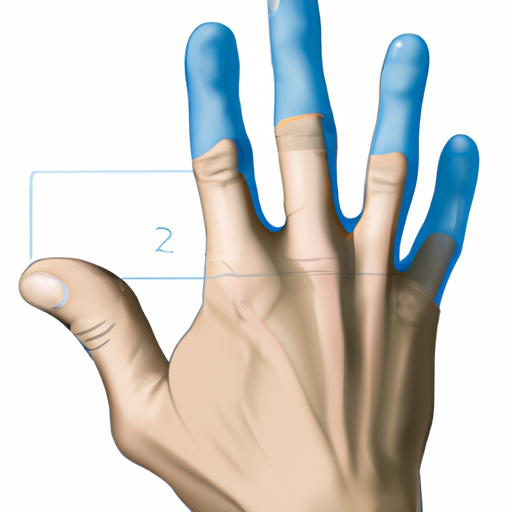
In recent years, gesture-controlled interfaces have emerged as a revolutionary technology, promising to transform the way we interact with our devices. This touchless technology eliminates the need for physical contact, allowing users to control their devices through simple hand movements.

What Are Gesture-Controlled Interfaces?

Gesture-controlled interfaces utilize motion sensors and advanced algorithms to recognize and interpret human gestures. These interfaces are not just about swiping or tapping; they unlock a plethora of possibilities for more intuitive interactions without the need for keyboards or touchscreens.

The Evolution of Gesture Recognition Technology

From the initial introduction of simple motion tracking in gaming consoles to today’s sophisticated systems that can interpret complex gestures, the evolution of gesture-controlled interfaces has been remarkable. Innovations in machine learning and artificial intelligence have vastly improved the accuracy and responsiveness of these systems.

Applications and Benefits

Various industries are beginning to adopt this technology. Some key applications include:

  • Healthcare: Surgeons can interact with monitors during operations without contaminating their environment.
  • Automotive: Drivers can control in-car systems without taking their hands off the wheel.
  • Smart Home Devices: Home automation systems can be operated with simple hand signals, enhancing ease of usage.

The User Experience Revolution

As the landscape of user experience continues to evolve, gesture-controlled interfaces stand at the forefront. They promise to provide more immersive and engaging interactions by catering to the natural movements of users. This represents a significant shift from conventional interaction methods, emphasizing the importance of natural human behavior.

Challenges Ahead

Despite their potential, the widespread adoption of gesture-controlled interfaces faces several challenges. Issues such as precise gesture recognition in varied lighting conditions and user fatigue from inaccurate systems must be addressed. Developers are investing significant resources into refining these technologies to ensure robust and fluid interaction.

The Future of Interaction

As we look toward the future, the impact of gesture-controlled interfaces on both personal and professional technology can’t be overstated. With advancements in motion sensing technology, we are likely on the brink of a new era in human-device interaction that will redefine our everyday experiences.

Conclusion

In conclusion, as gesture-controlled interfaces continue to evolve, the potential for enhanced user experience, efficiency, and engagement will further solidify their place in the technology landscape. With ongoing research and development, the future holds exciting prospects for more intuitive, seamless interactions across devices.

Stay tuned as we continue to explore the advancements and implications of gesture control technology in our digital lives!

Revolutionizing Technology: The Rise of Gesture Control Interfaces

August 22, 2025 News

Published on: 2023-10-12

The technology landscape is rapidly evolving, and one of the most exciting advancements is the rise of gesture control interfaces. These interfaces allow users to interact with devices through gestures and movements, minimizing the need for physical contact and enhancing overall user experience.

What are Gesture Control Interfaces?

Gesture control interfaces utilize gesture recognition technology to interpret human gestures as input commands. This innovative technology is being integrated into various devices, including smartphones, smart TVs, and even gaming consoles. It offers a touchless alternative to traditional input methods, which enhances convenience and accessibility.

The Benefits of Touchless Interaction

One of the primary benefits of gesture control interfaces is the seamless user experience they provide. By enabling touchless interaction, these technologies minimize the spread of germs and enhance usability in environments where hands-free operation is crucial, such as in healthcare settings or industrial applications.

Moreover, gesture recognition technology can significantly increase operational efficiency. Users can navigate devices without the need for remote controls or touchscreens, leading to a more intuitive interaction experience.

Current Trends and Future Prospects

As industries continue to embrace gesture control interfaces, the future looks promising. Major tech companies are investing heavily in this technology, driving innovation and integration into everyday devices. From smart home technology to interactive advertising, the potential applications are vast.

Furthermore, advancements in artificial intelligence and machine learning will only enhance the accuracy and responsiveness of gesture recognition systems, making them more reliable and user-friendly.

Conclusion

In conclusion, gesture control interfaces represent a significant leap in how we interact with technology. By enabling touchless interaction, these interfaces are not only enhancing user experience but also paving the way for innovative applications across multiple industries. As we move forward, the adoption of gesture control technology is likely to become more widespread, transforming our daily interactions with devices in ways we can only begin to imagine.