

Tag Archives: Virtual Reality


The Rise of Virtual Reality: Transforming Entertainment and Beyond

February 18, 2025 News

In recent years, Virtual Reality (VR) technology has surged in popularity, marking a significant shift in how we consume entertainment and interact with the digital world. From immersive gaming experiences to virtual tours and educational tools, VR is reshaping various industries.

Exploring the Entertainment Landscape

One of the most notable impacts ofVR has been seen in the entertainment sector. Gaming companies have embraced this technology, creating hyper-realistic environments that engage players in ways traditional gaming could not. Titles like Half-Life: Alyx and Beat Saber have set the bar for VR gaming, showcasing how the medium can provide unprecedented levels of immersion.

Influence on Other Industries

Beyond gaming, VR is also revolutionizing other fields. The education industry is leveraging VR to create interactive learning experiences that enhance student engagement. Medical training programs use VR simulations to practice complex procedures in a safe environment. Even real estate is getting in on the action, with virtual tours enabling potential buyers to explore properties from anywhere in the world.

The Future of VR Technology

The future of VR technology looks promising, with advancements in hardware and software continuously enhancing the user experience. Companies such as Facebook (Meta), HTC, and Valve are heavily investing in VR development, indicating a strong belief in the technology’s potential.

Challenges Ahead

Despite its rapid growth, the VR industry faces several challenges, including the need for more accessible hardware and concerns about motion sickness among users. Developers are actively working on solutions to these issues, aiming to make virtual reality a standard in both entertainment and everyday life.

Conclusion

The rise of virtual reality is transforming how we experience entertainment, education, and various other sectors. As technology continues to evolve, it will be exciting to see how VR developments shape the future and our interactions with the virtual world. Stay tuned for more updates in the world of virtual reality!

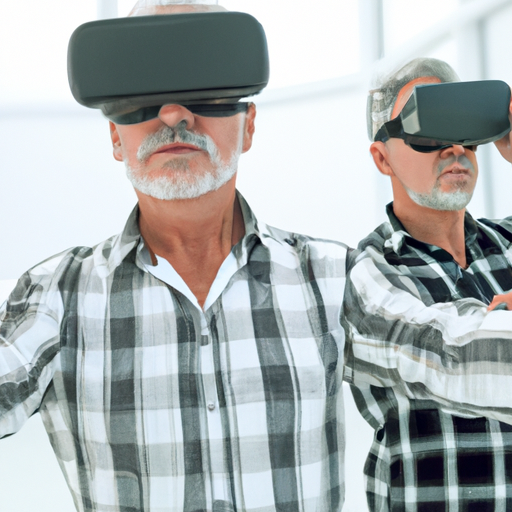
Spatial Computing: Transforming the Future of Technology

January 16, 2025 News

In recent years, spatial computing has emerged as a groundbreaking technological paradigm that merges the physical and digital worlds, revolutionizing the way we interact with our environment. This innovative approach encompasses a broad range of technologies, including augmented reality (AR), virtual reality (VR), and spatial awareness systems, transforming industries and enhancing user experiences.

The Rise of Spatial Computing

As digital transformation accelerates across sectors, spatial computing stands out as a key player. It allows users to seamlessly merge real-world environments with virtual elements, leading to enhanced communication, collaboration, and productivity. Companies in industries such as healthcare, manufacturing, and education are increasingly adopting immersive technologies to improve outcomes and create engaging experiences.

Impact on Various Industries

1. **Healthcare**: Spatial computing is reshaping how medical professionals visualize data and interact with patients. AR applications enable enhanced anatomy visualization and surgical precision.

2. **Manufacturing**: In manufacturing, spatial computing aids in real-time data visualization and process optimization, leading to increased efficiency and fewer errors.

3. **Education**: Learning experiences are being transformed with spatial computing allowing students to engage with interactive 3D models and immersive environments that foster deeper understanding.

Future Directions

The future of spatial computing is promising, with advancements in AI and machine learning further enhancing its capabilities. As technology evolves, we can expect more intuitive and responsive systems that will enable even greater integration of the physical and digital worlds.

Conclusion

Investing in spatial computing technologies will provide organizations with a competitive edge in a rapidly evolving digital landscape. As we look ahead, it’s clear that spatial computing is not just a trend but a monumental shift in how we perceive and engage with the world around us.

Stay tuned for more updates on this exciting field!

Revolutionizing Learning: The Rise of Extended Reality Training Programs

News

In today’s fast-paced digital world, traditional training methods are becoming increasingly obsolete. Enter Extended Reality (XR), a groundbreaking approach that encompasses Virtual Reality (VR) and Augmented Reality (AR), to revolutionize how organizations train their employees.

What is Extended Reality?

Extended Reality refers to the convergence of the physical and digital world through immersive technologies that enhance the learning experience. XR training programs utilize advanced simulations and interactive environments that allow learners to practice real-world skills in a safe and controlled setting.

Advantages of XR Training Programs

  • Increased Engagement: XR technologies create an immersive environment that captures the learner’s attention more effectively than traditional methods.
  • Realistic Training Scenarios: Employees can experience simulations that mimic real-life challenges, enhancing their problem-solving skills and preparedness.
  • Cost Efficiency: By reducing the need for physical materials and minimizing on-site training, organizations can save significantly in training costs.
  • Scalability: XR training can easily be scaled to accommodate numerous employees across different locations.

Industry Applications

From healthcare to manufacturing, the applications of XR training are vast. In the healthcare sector, medical students are utilizing VR to practice surgeries, while airlines leverage AR technology for pilot training. According to recent studies, companies employing XR training programs have seen a significant increase in employee performance and retention rates.

The Future of Employee Training

As technology continues to evolve, the future of employee training is bright with the growing adoption of XR. Organizations that embrace these innovations will not only enhance their training processes but also empower employees to excel in their roles.

Conclusion

In summary, Extended Reality training programs are paving the way for the future of education and employee training by offering immersive, cost-effective, and engaging learning experiences. As we move further into the digital age, embracing these technologies is not just an option; it’s a necessity for organizations aiming to remain competitive in their industries.

Stay ahead of the curve with XR training programs and unlock the full potential of your workforce today!