
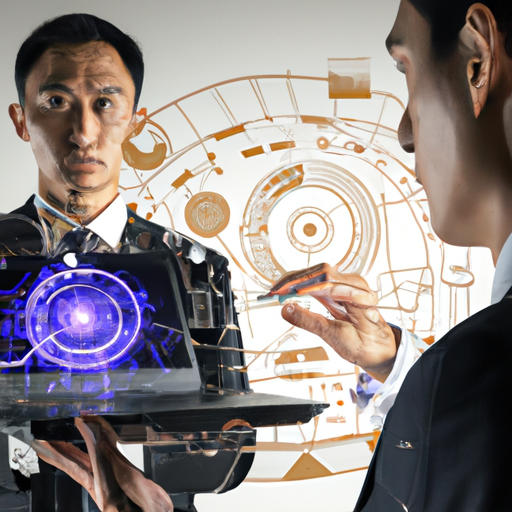
In recent years, the field of Human-Computer Interaction (HCI) has witnessed remarkable advancements, revolutionizing the way users engage with technology. These innovations are not just enhancements; they signify a transformative period where technology is becoming increasingly intuitive and responsive to human needs.
Understanding Human-Computer Interaction
Human-Computer Interaction is a multidisciplinary field that focuses on the design and use of computer technology, emphasizing the interfaces between people and computers. As technology evolves, HCI plays a crucial role in shaping user experiences, ensuring that interactions are effective, efficient, and satisfying.
Key Advancements in HCI
- AI Integration: Artificial Intelligence has permeated HCI, making systems smarter and more adaptive. From virtual assistants like Siri and Alexa to advanced chatbots, AI is redefining how users interact with devices.
- Gesture-based Controls: The introduction of gesture recognition technology allows users to control devices through physical movements, enhancing accessibility and user engagement.
- Augmented and Virtual Reality: AR and VR technologies are creating immersive environments, enabling users to interact with digital content in 3D space, significantly enhancing user experience.
- Voice User Interfaces (VUI): With the rise of smart speakers and voice recognition software, VUIs are simplifying interactions, allowing users to control devices through speech.
Impact on User Experience
These advancements are not merely technological; they have profound implications for user experience. Enhanced HCI leads to greater efficiency, reduced learning curves, and increased satisfaction among users. As platforms continue to integrate intelligent features, the overall interaction becomes more natural and enjoyable.
Future of HCI
Looking ahead, the future of Human-Computer Interaction is bright. Ongoing research into brain-computer interfaces (BCIs) and more sophisticated AI algorithms promises to bring forth even more groundbreaking technologies. As these innovations continue to develop, we can expect a seamless merger between human thought and machine capabilities, ultimately creating a more harmonious relationship between users and technology.
Conclusion
In conclusion, advancements in Human-Computer Interaction are setting the stage for a future where technology is not just a tool but a responsive partner in our daily lives. As these technologies evolve, they will continue to shape our interactions and redefine the boundaries of what is possible in the digital world.
Stay tuned for more updates on HCI advancements and how they are reshaping our interactions with technology!