In an era where technology continues to evolve at a breathtaking pace, spatial computing has emerged as a groundbreaking paradigm that integrates the digital and physical worlds. From augmented reality (AR) to virtual reality (VR) and the Internet of Things (IoT), spatial computing is redefining how we interact with our environment, enhance our experiences, and analyze data.
What is Spatial Computing?
Spatial computing refers to the use of digital technologies to create and manage visualizations of real-world environments. By leveraging 3D data, this field combines various technologies such as AR, VR, and mixed reality (MR) to allow users to engage with data in ways that mirror real-life experiences.
Key Components of Spatial Computing
- 3D Mapping: High-accuracy 3D models represent real-world locations and objects, providing extensive data for applications in urban planning, architecture, and environmental management.
- Visual Recognition: Using machine learning and AI to interpret visual data, enabling applications in security, retail, and navigation.
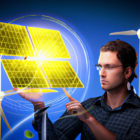
- Wearable Devices: Equipment like smart glasses and VR headsets that help users visualize and interact with digital overlays in real time.
- IoT Integration: Merging spatial computing with IoT devices to create smart environments, scalable monitoring systems, and significant real-time responses.
Applications of Spatial Computing
The applications of spatial computing span various sectors:
1. Healthcare
In healthcare, spatial computing facilitates enhanced surgical planning and training through AR simulations, enabling students and doctors to practice procedures in a risk-free environment.
2. Education
Education systems are increasingly incorporating spatial computing to provide interactive learning experiences, making complex subjects more digestible through visual tools.
3. Real Estate and Construction
AR and VR tools are revolutionizing the real estate industry by allowing clients to tour properties virtually and giving architects the necessary visualizations to refine design concepts.
4. Gaming and Entertainment
Gaming companies are at the forefront, developing immersive experiences that transform user engagement. Titles like Pokémon GO showcase how spatial computing can blend entertainment with real-world exploration.
The Future of Spatial Computing
As technology advances, the potential for spatial computing is limitless. We can expect more sophisticated applications, improved hardware, and a deeper integration of AI, making interactions more intuitive and beneficial.
In conclusion, spatial computing is not just a trend—it’s the future of how we interact with technology and the world around us. By continuing to innovate and expand its applications, we are set to witness a transformation that will redefine the boundaries of reality.