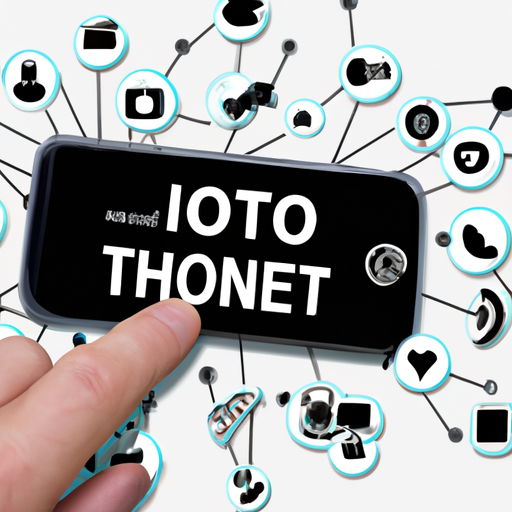
The Internet of Things (IoT) is redefining the way we interact with the world around us. From smart homes to industrial applications, IoT is transforming everyday devices into connected, intelligent beings that can communicate with each other and operate to enhance our lives.
What is the Internet of Things?
The Internet of Things refers to the network of physical objects – “things” – that are embedded with sensors, software, and other technologies with the aim of connecting and exchanging data with other devices and systems over the internet.
Key Components of IoT
- Devices and Sensors: These are physical objects equipped with various sensors that collect data from their environment.
- Connectivity: Devices must connect to the internet using different communication protocols such as Wi-Fi, Bluetooth, or cellular networks.
- Data Processing: Once data is collected, it must be processed to derive meaningful insights.
- User Interface: Finally, information needs to be presented to users, often through applications or visualization tools.
Applications of IoT
The applications of IoT are vast and span across numerous industries:
- Smart Homes: IoT technology enables home automation through smart devices such as thermostats, lighting systems, and security cameras that can be controlled remotely.
- Healthcare: Wearable devices like fitness trackers and smart medical equipment provide real-time health monitoring, enhancing patient care.
- Industrial IoT (IIoT): Industries use IoT for predictive maintenance, supply chain management, and to streamline operations through connected machinery.
- Agriculture: Farmers utilize IoT sensors for soil monitoring, weather updates, and crop management to increase yield and efficiency.
The Future of IoT
As technology evolves, the potential of IoT seems limitless. With advancements in artificial intelligence (AI), machine learning, and 5G connectivity, IoT systems will become even more sophisticated, leading to smarter cities, automated homes, and significant improvements in sectors like health and education.
Challenges and Considerations
While IoT presents a plethora of opportunities, it also brings challenges including data security, privacy concerns, and interoperability between devices. It is crucial for developers and businesses to prioritize these aspects to ensure the safe and effective deployment of IoT solutions.
Conclusion
The Internet of Things is poised to revolutionize our daily lives and businesses. Embracing IoT not only leads to enhanced efficiency and convenience, but also paves the way toward sustainable smart cities. As we continue to innovate and integrate IoT into various sectors, the future of connectivity looks bright.
Stay tuned to our blog for more insights on how technology continues to shape our world!